Take a Walk
A Quest into the Wild
Mount Belford (14,197 ft) and Mount Oxford (14,153 ft): Sawatch Range
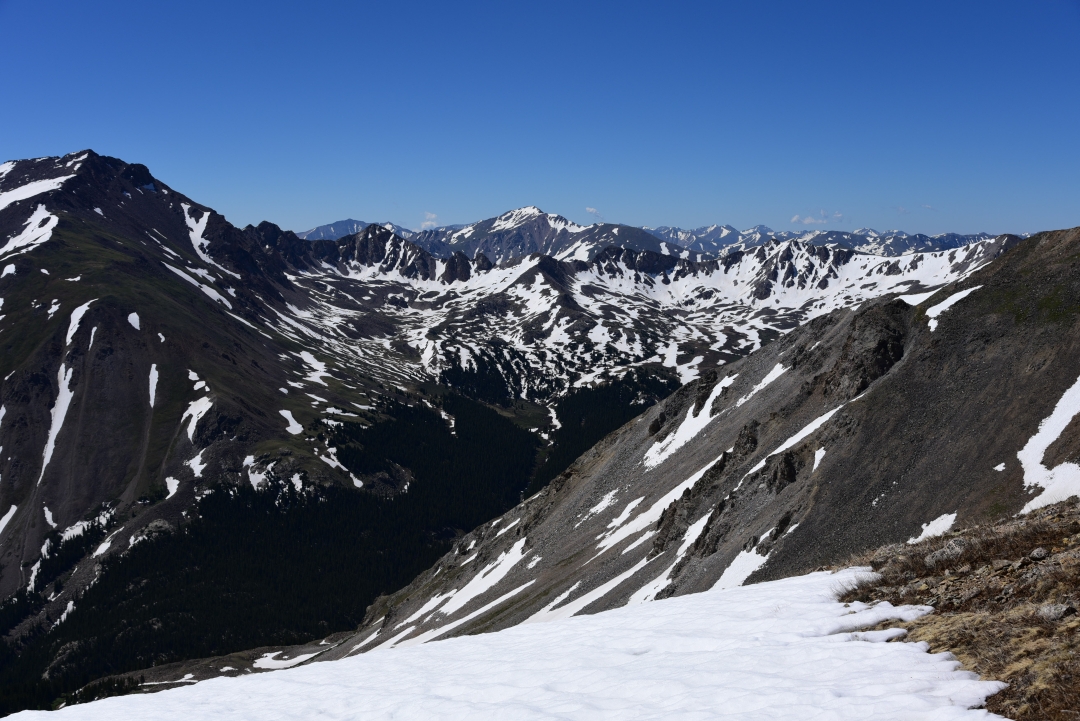
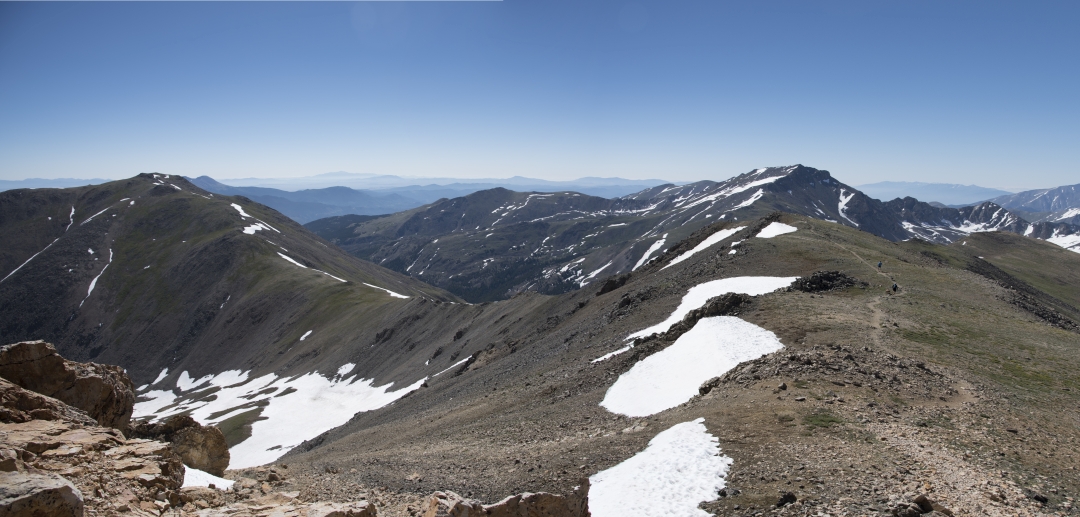
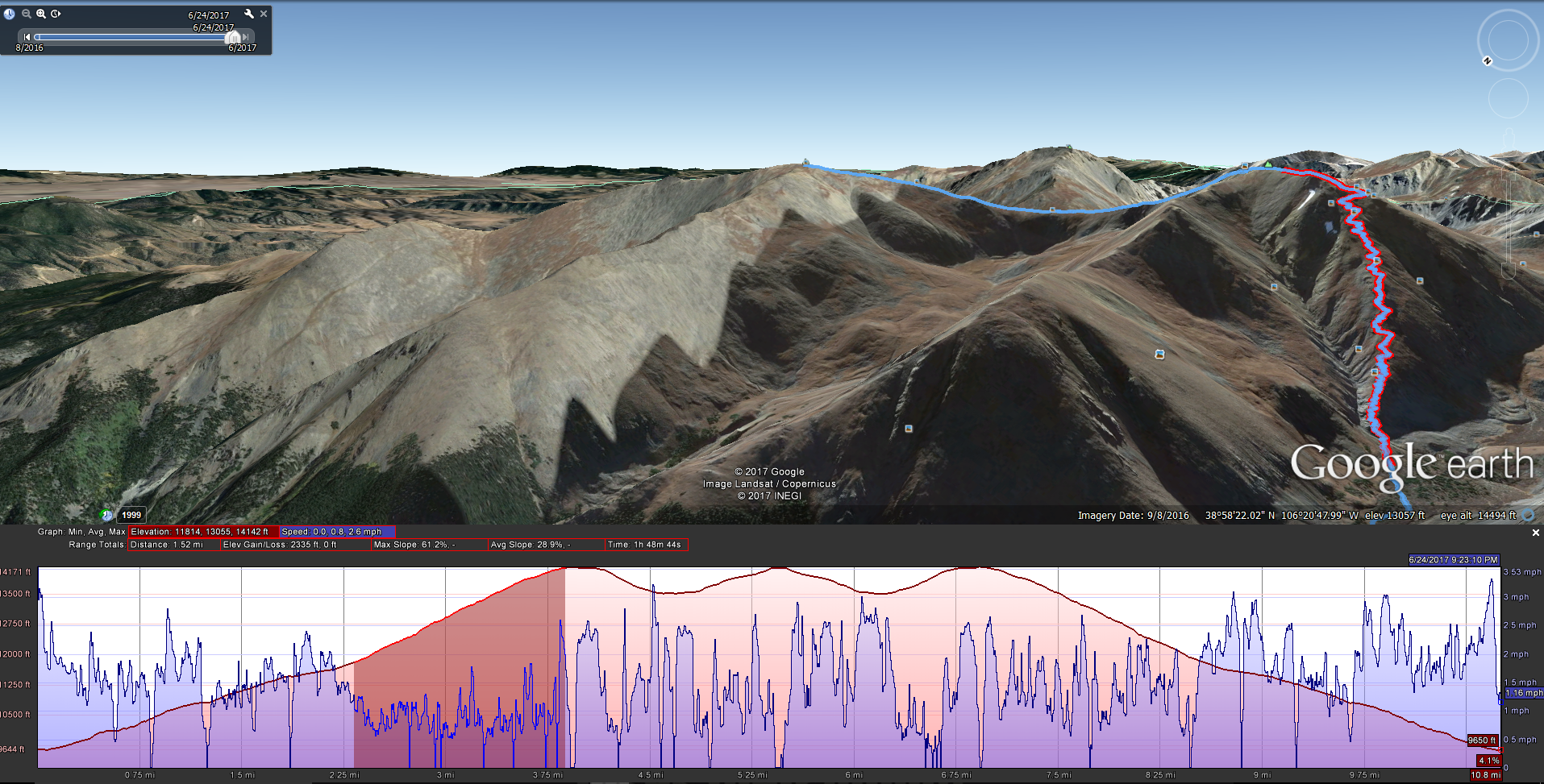
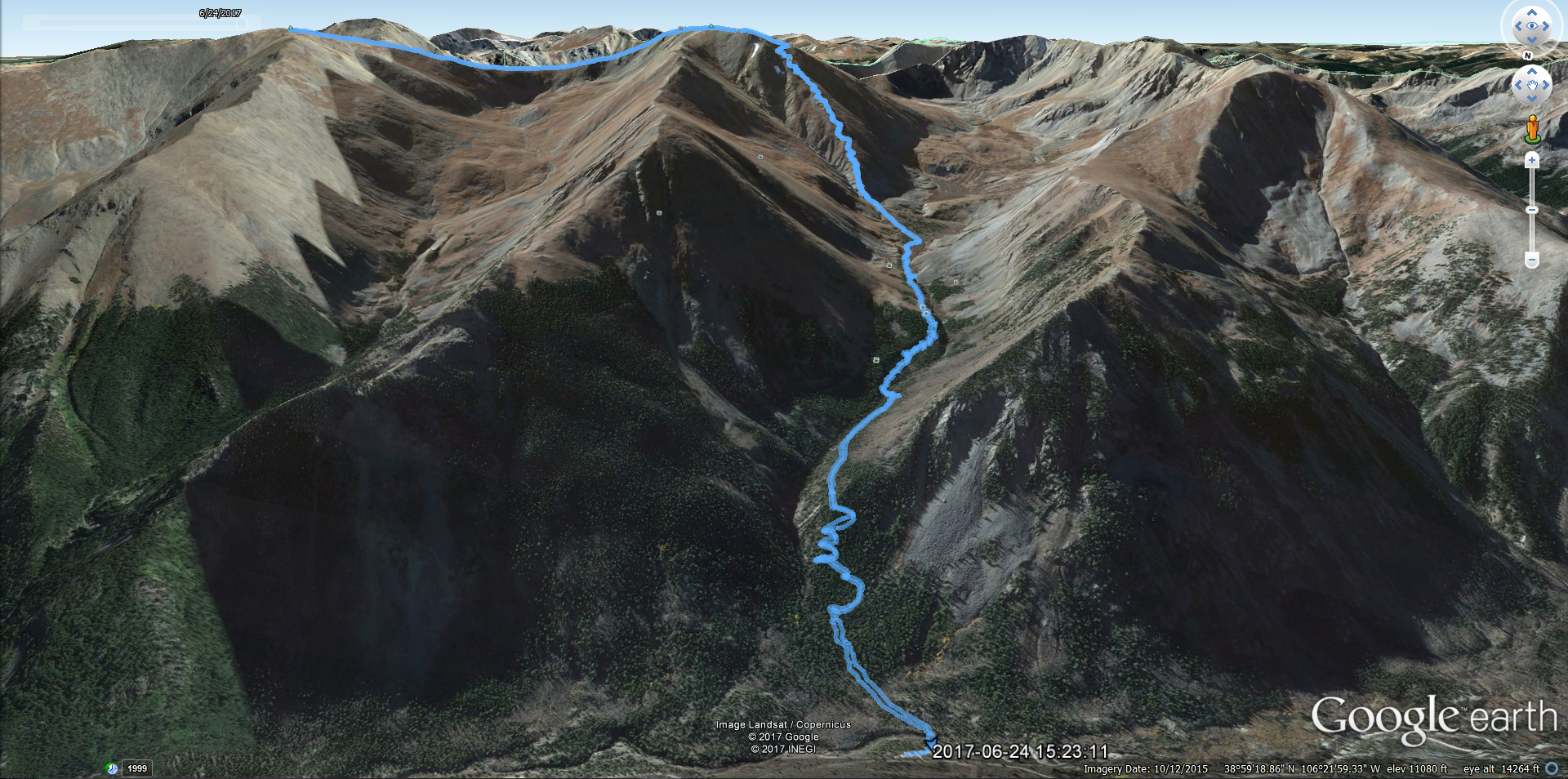
Distance: 11.2 miles Net elevation gain: 5,800 ft Date of summit: 6/24/17
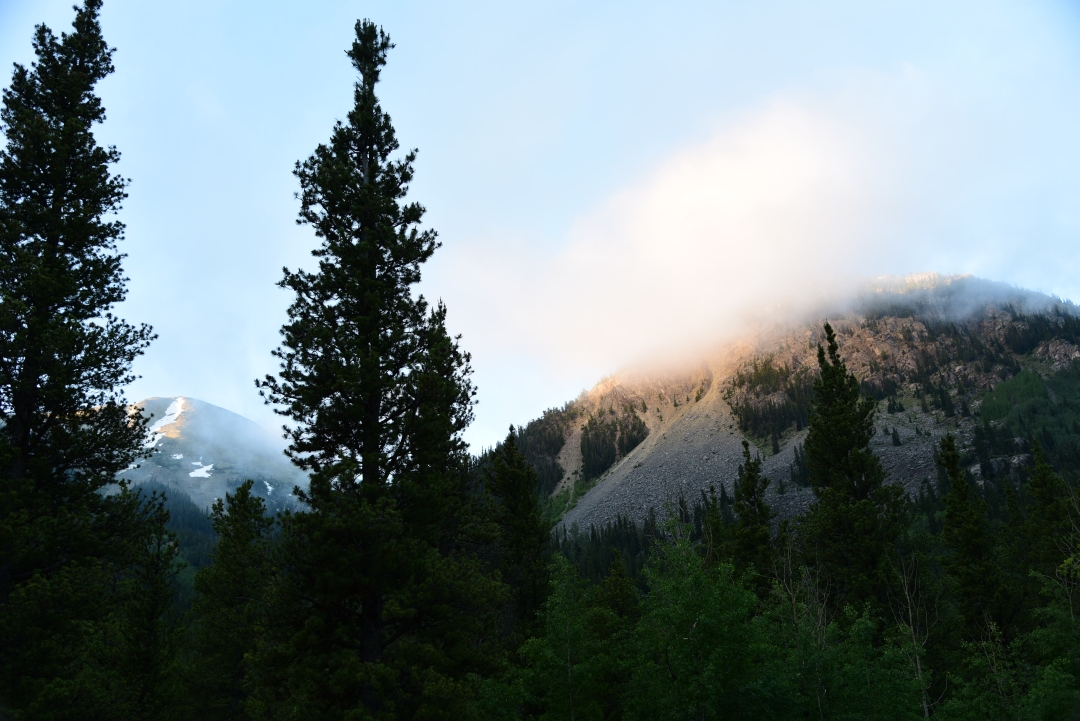
As the day began to settle into dusk, we reached our destination for this quiet June Friday night. The dimly lit Rodeway Inn sign tiredly welcomed us to rest a few hours. Like many summer and early fall evenings before, we left the night before our summit attempt to get closer to the trailhead for an alpine start. Though the Rodeway Inn was unassuming, it was clean and comfortable and gave us a bit more rest than our three season tent could have in the cold mountain air at 9,800 feet. Our goal for Saturday morning was to reach the summits of 14ers Mount Belford and Mount Oxford which are both accessible from the Missouri Gulch TH. In late summer of last year, we followed the gulch trail up and took the trail to Missouri Mountain instead of following it to the left towards Belford. This time, we planned to complete the trio of mountains. At 4:30 am, the alarm sounded in the dark, and we quickly grabbed our gear and headed out in the cool, dark early morning hours. Just as the sun began to softly illuminate the landscape, we pulled into the last parking spot at the TH, grabbed our packs, and began the steep ascent through the Missouri Gulch.

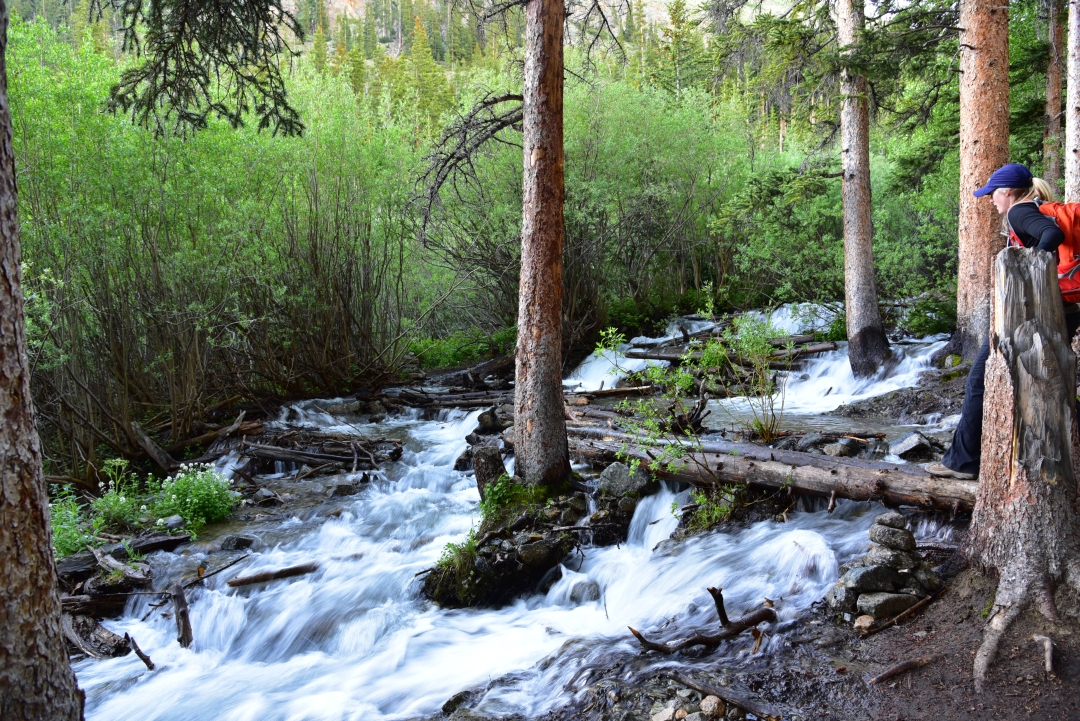
Oh how time cultivates our memories, often times erasing the bad and replacing it with only the fondness of our adventures. The climb through Missouri Gulch is steep and offers very few breaks from the relentless gain in altitude. Familiarity quickly flooded back, as we warmed our bodies in the cool morning air with all of our hard work. We reached the creek crossing rather quickly, but were a little surprised to see how high the water was and how unstable the log crossing appeared. Last September, all the snow had melted many weeks before, and the water was calm. Ever so carefully we balanced on the maze of floating timber until we safely reached the other side. A fall in the creek would have erased all of our summit hopes for the day.
We made quick work of the trail at this point and stumbled upon the old log shack remnants just before our route opened up from the forest. We were now at about 11,300 feet, and we followed the trail along clear creek to the Belford/Elkhood pass trail junction. This portion of the route offers a nice break from the steep terrain and forest-dense switchbacks that we had spent the previous hour plodding up. The cool morning air and sounds of the nearby creek treated us spectacularly, and we reveled in the beauty of our surroundings. At the junction, we veered left towards Belford and saw the work that lay ahead of us. Checking our GPS, we realized that at the base of Belford’s northwest ridge we still had around 2,300 feet of elevation to gain in a mere 1.7 or so miles. We crossed a small creek and mentally prepped for the grueling ascent. We crossed several small, never-ending switchbacks on a primarily solid trail. There were however, several sections of steep scree that proved more difficult on the descent. At some points, the steepness of the route warranted rock stair steps to aid in the journey. Though tiring and difficult, we made decent time of our ascent up Mount Belford. Seen below is the final 2,300 feet to Belford’s summit and the beautiful Missouri Gulch. Note that the true summit of Belford is hidden in the photographs below. A tricky false summit dashed our spirits for a moment when we discovered its deceit.
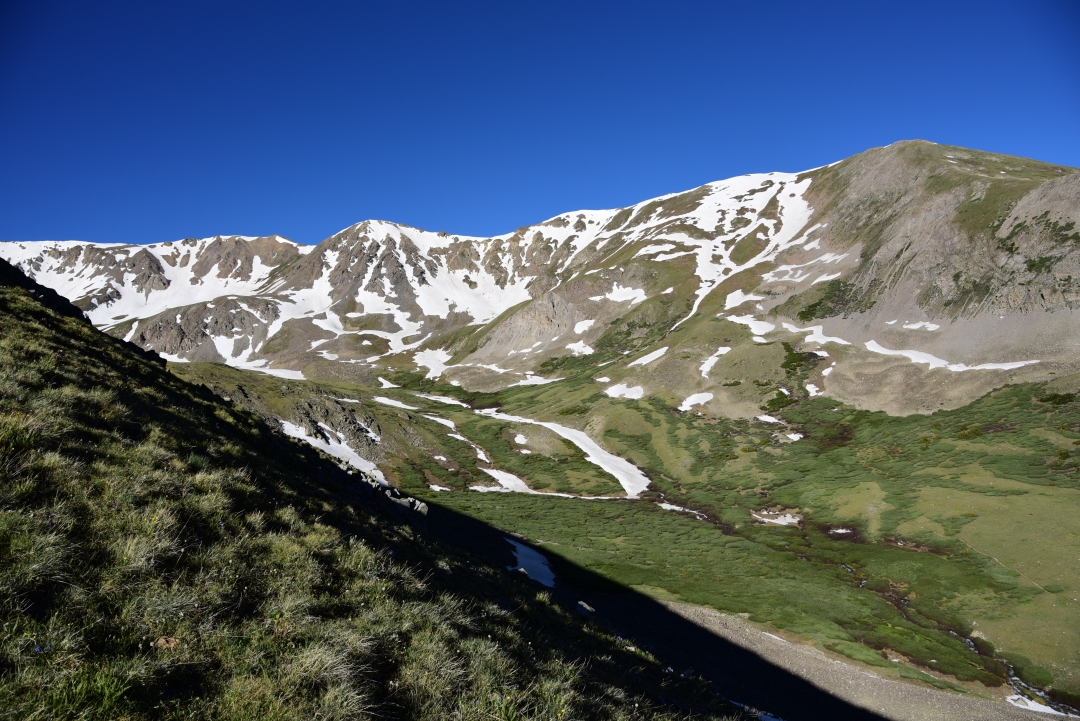
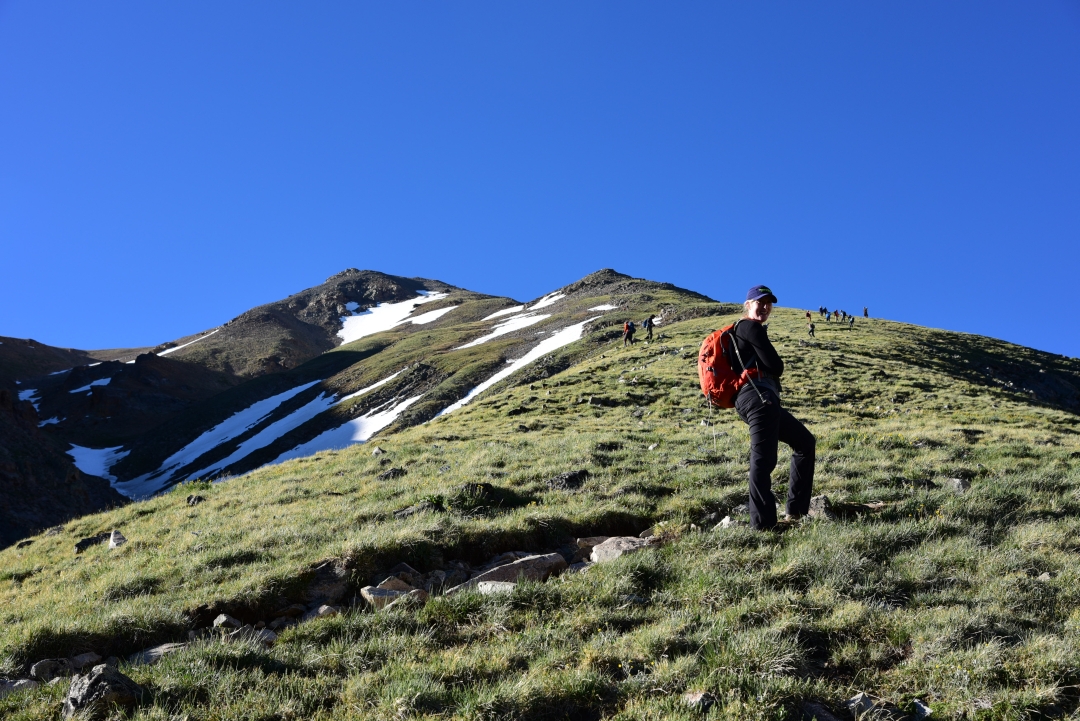

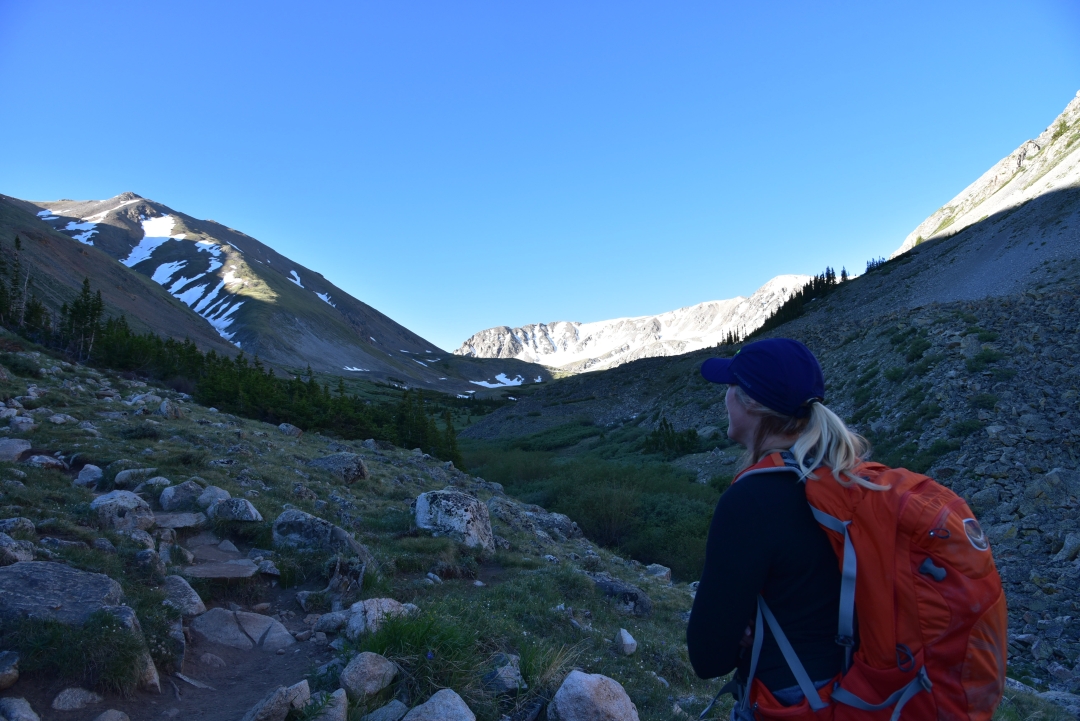
The summit block of Belford is comprised of an interesting sharp and jagged yellow/orange rock. The block isn’t too large, but provides room for a few climbing parties in close proximity. We relaxed on the summit for around 15 minutes, chatting with other climbing parties and identifying all the other 14ers in proximity. Missouri Mountain was still covered in snow, and Harvard looked brooding in the distance. We saw our next goal, the summit of Mount Oxford in the distance. We now began to realize the true magnitude of the elevation gain we had agreed to take on in this adventure. Just to reach Belford, we had already climbed 4,600 feet. Other climbers we were chatting with said that the second summit would give us a bit more gain..another 1200 feet…We had come all this way, and we were only 1.5 miles away. We had to give it a shot. Seen below are photos from the summit of Belford when we were still enjoying life and in high spirits. You can see the summit of Oxford and the seemly innocent trail to the summit. These photos do not reveal the steep descent that occurs from Belford to reach the saddle.
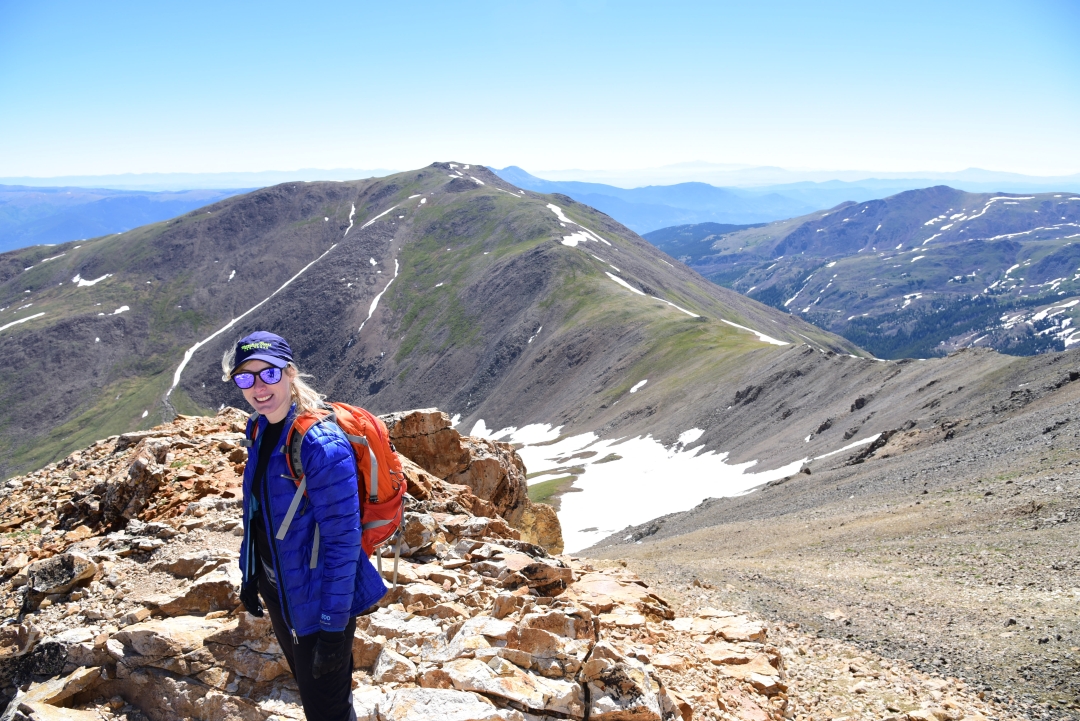
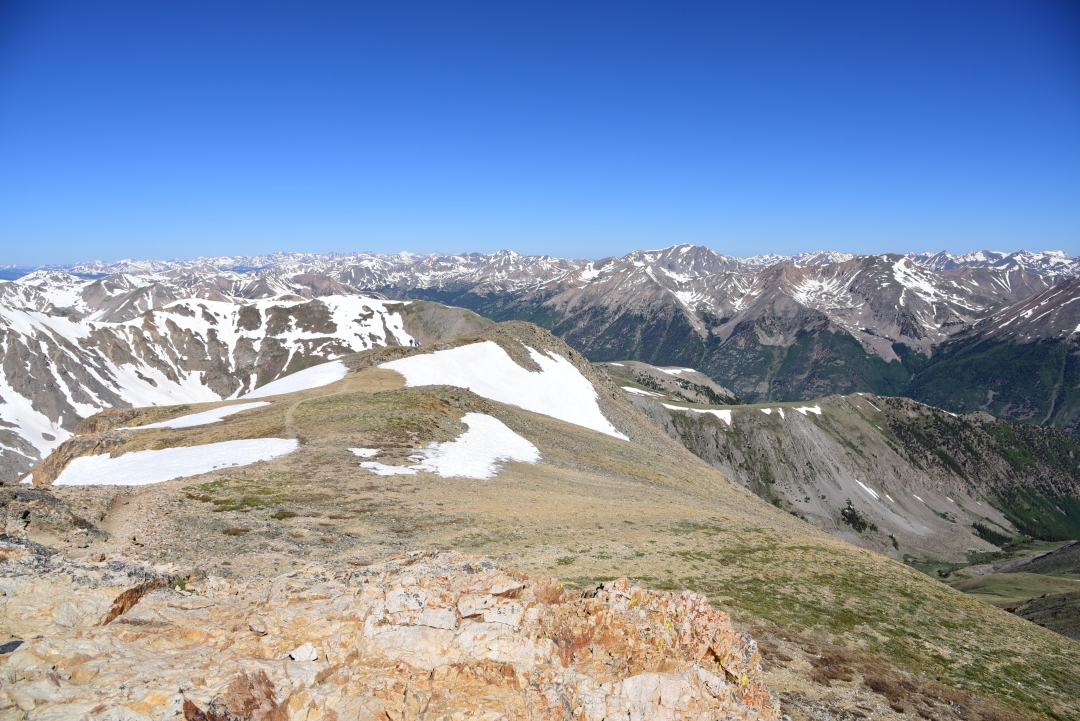


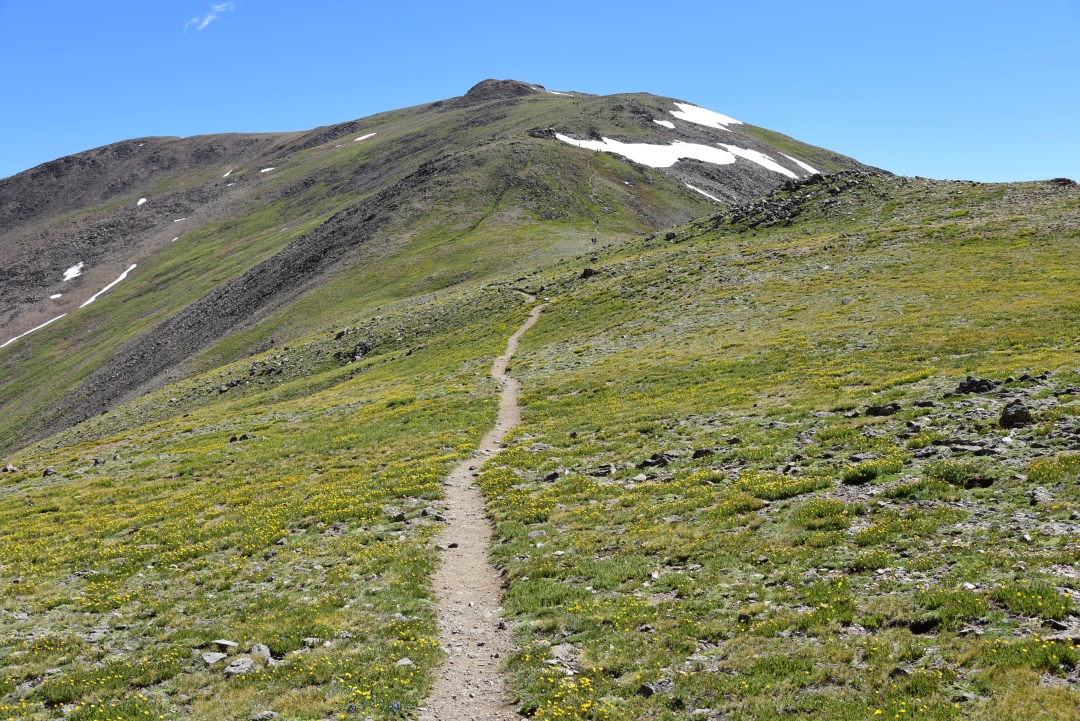
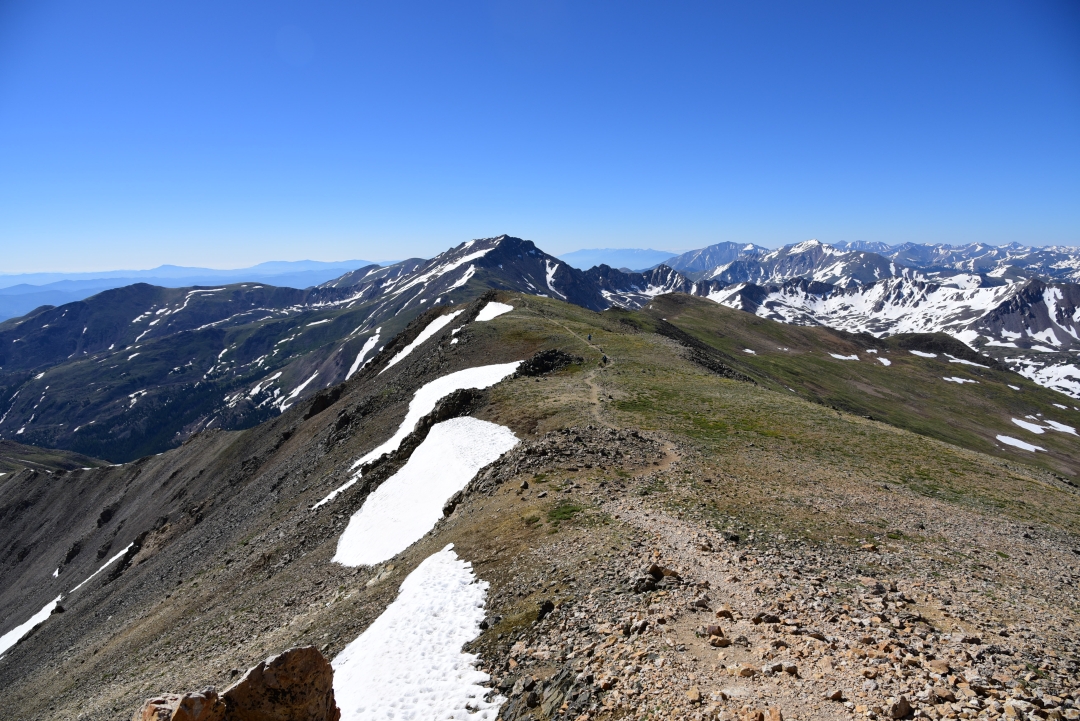
We began the descent to the saddle in high spirits but began to get nervous when we realized how much elevation we were losing to reach the saddle between the peaks. Further, there were several extremely steep scree laden sections to navigate. Nonetheless, the trail was easy to follow and began even somewhat pleasant as we reached the saddle and began to make our way up Mount Oxford. Despite this, we began to get really tired as we ascended our second peak. About half-way up Oxford, we paused before a short but deep snowfield to catch our breathe. After a 5 minute rest, we carefully navigated the small, steep snowfield and made it to the summit of Oxford relatively quickly. There were only two other climbers whom we shared the wide summit. Seen below are views from the trek to Mount Oxford and the perspective from the summit.

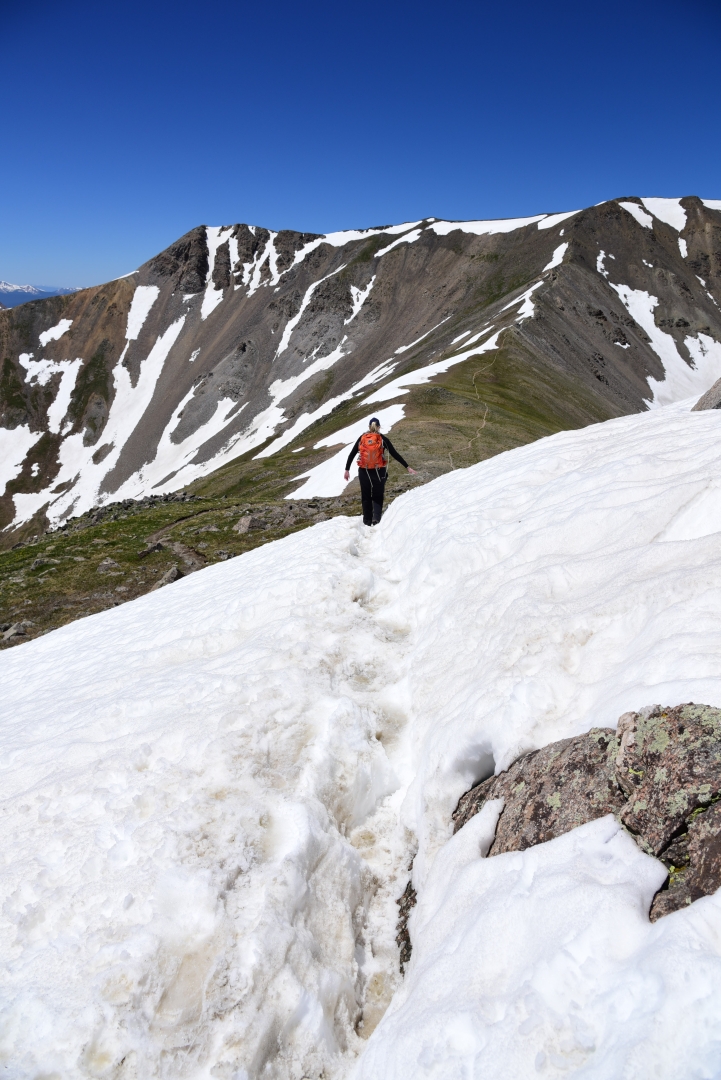
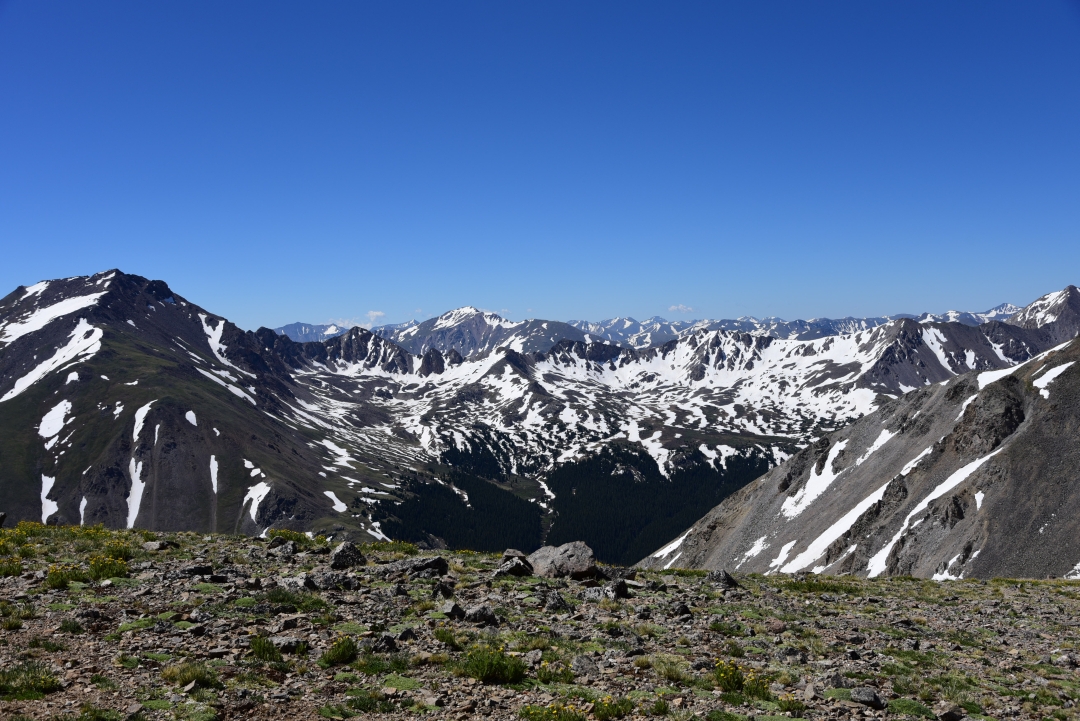
We rested for another 15 minutes on the summit of Oxford. Though it felt like a major accomplishment to be sitting atop our second point above 14,000 feet for the day, we still had to get back up the steep ridge to Belford before we could truly begin our descent. We inhaled water and trailmix, letting the energy creep back in before we turned back. The sky still remained a perfect blue with naught a cloud in sight at noon, so we felt comfortable taking our time in the return. The start back up to Belford begins gradually and gave us a brief moment of confidence. The last 300 feet were brutal, but at least the array of alpine flora kept our eyes from focusing too much on the vertical path. We were thrilled upon reaching the ridge and short stretch back to Belford. After sitting on Belford for the second time that day, we realized that we had gained about 5,800 feet of elevation. Though we knew it would be a long trek for the day, somehow that number escaped us when we were researching this climb. Seen below are photographs looking back at the path back to the summit of Belford from Oxford and from the Summit of Belford looking back towards the gulch.
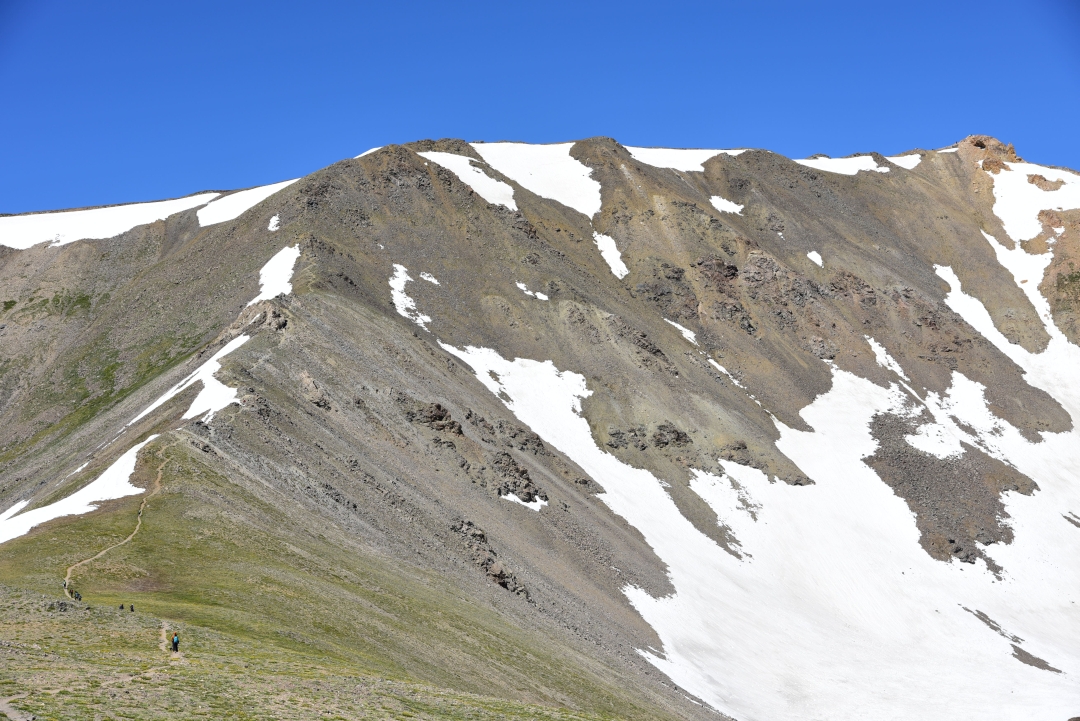
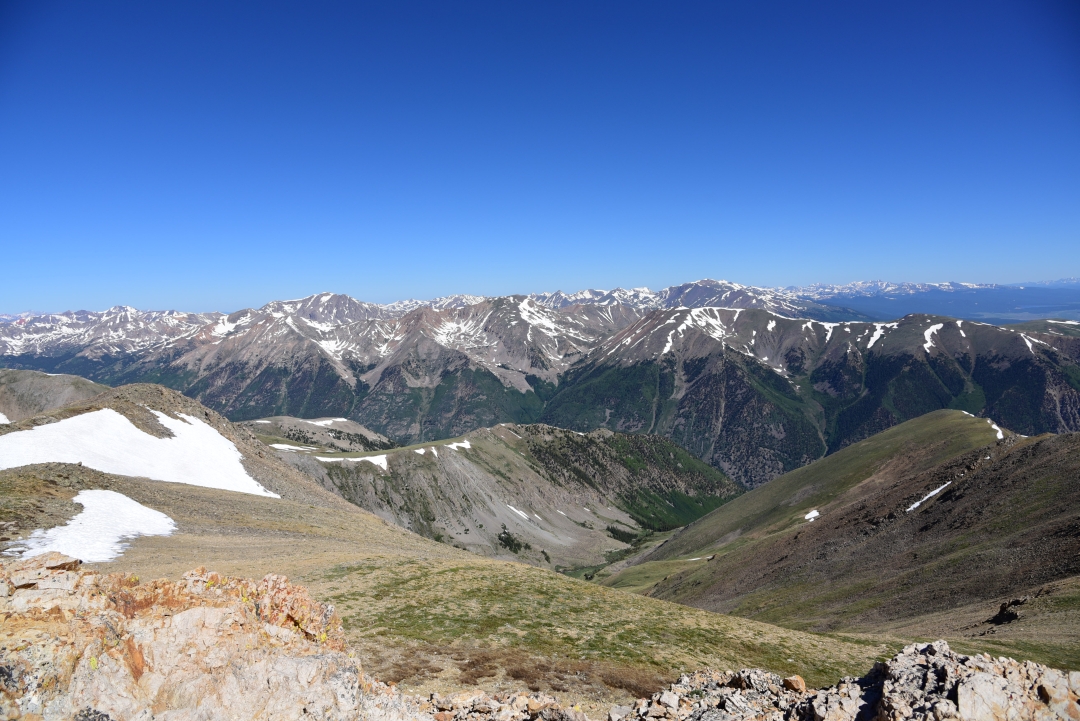
As we descended around 1:00 pm, there were several more hiking parties coming up late, enjoying this rare perfect summer weather day. At this point, we were exhausted to the point where gatoraide, trail mix, and water were doing little to nothing to improve our energy levels or morale. Though the descent was easier with respect to cardio, our leg muscles were shaking with fatigue as we navigated the steep scree trail back to the valley. The sun was high in the sky now, and it was quite warm. Despite being in this sublime place, we were really ready to reach the trailhead and our truck. Interestingly, the trek down seemed much longer than the trek up. We couldn’t believe that we had climbed all of this in the morning. At least, we were afforded a few, new spectacular views on our descent that can be seen below.
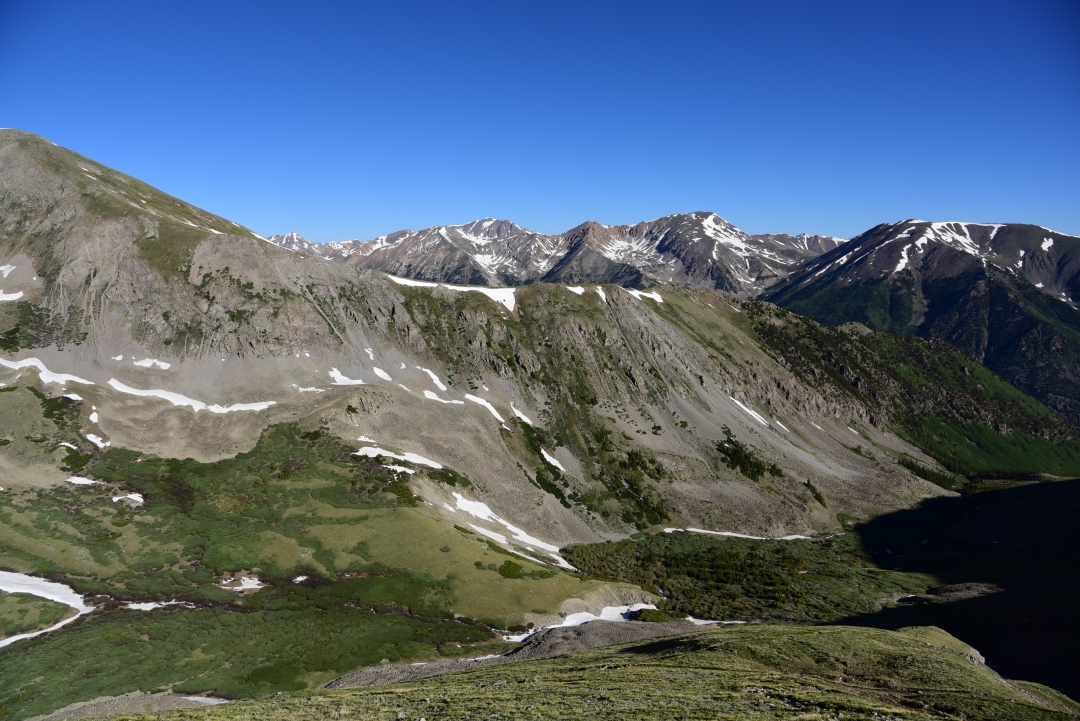
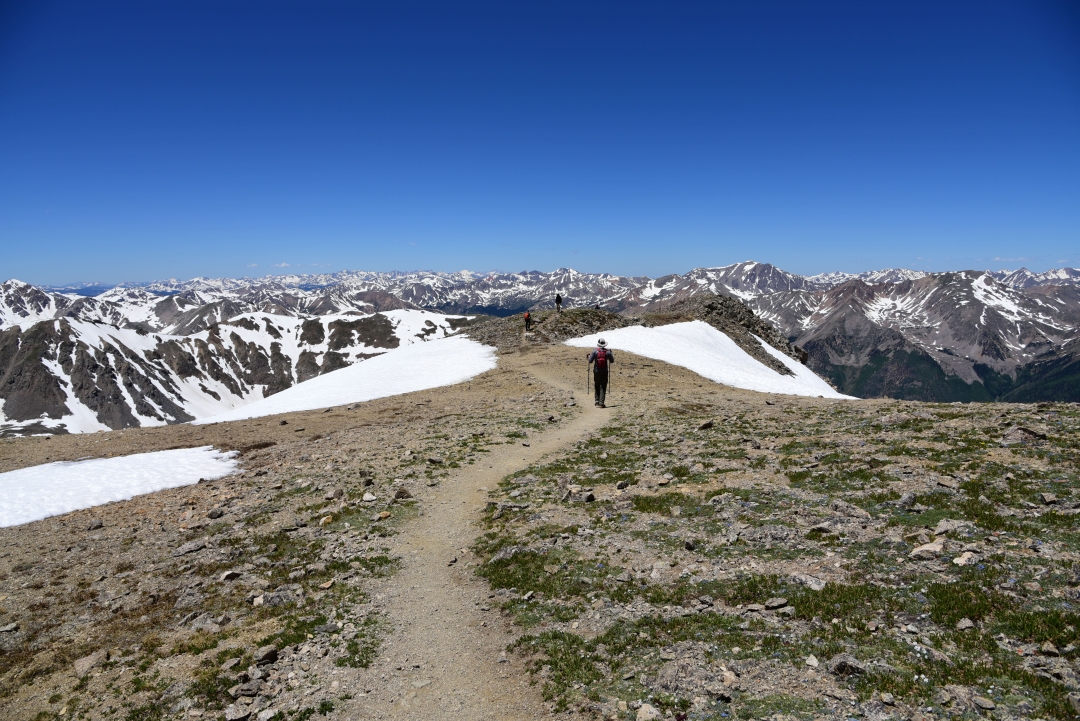

We were grateful for the forest canopy when we reached the Clear Creek crossing. It was nice to be shielded from the intensity of the sun. We were now on a mission to get off the mountain and back to the car. The camera went back in the pack, and we made very quick descent through the seemingly endless switchbacks through the forest. When we heard the familiar roar of the white water of the river crossing and bridge, we were so ecstatic. We were back at the TH! We drove a short while down the road to the Clear Creek reservoir and dipped our feet in the freezing cold water. A weight was lifted from our minds and bodies as we relaxed for a few moments before the drive back to Denver. We had successfully reached the summits of our 18th and 19th Colorado fourteeners, the first of this season. But who’s counting anyway.

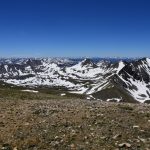
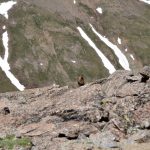
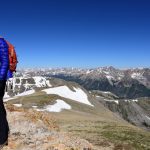
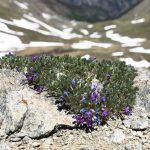

Browns Creek Waterfall and Lake: Nathrop, CO
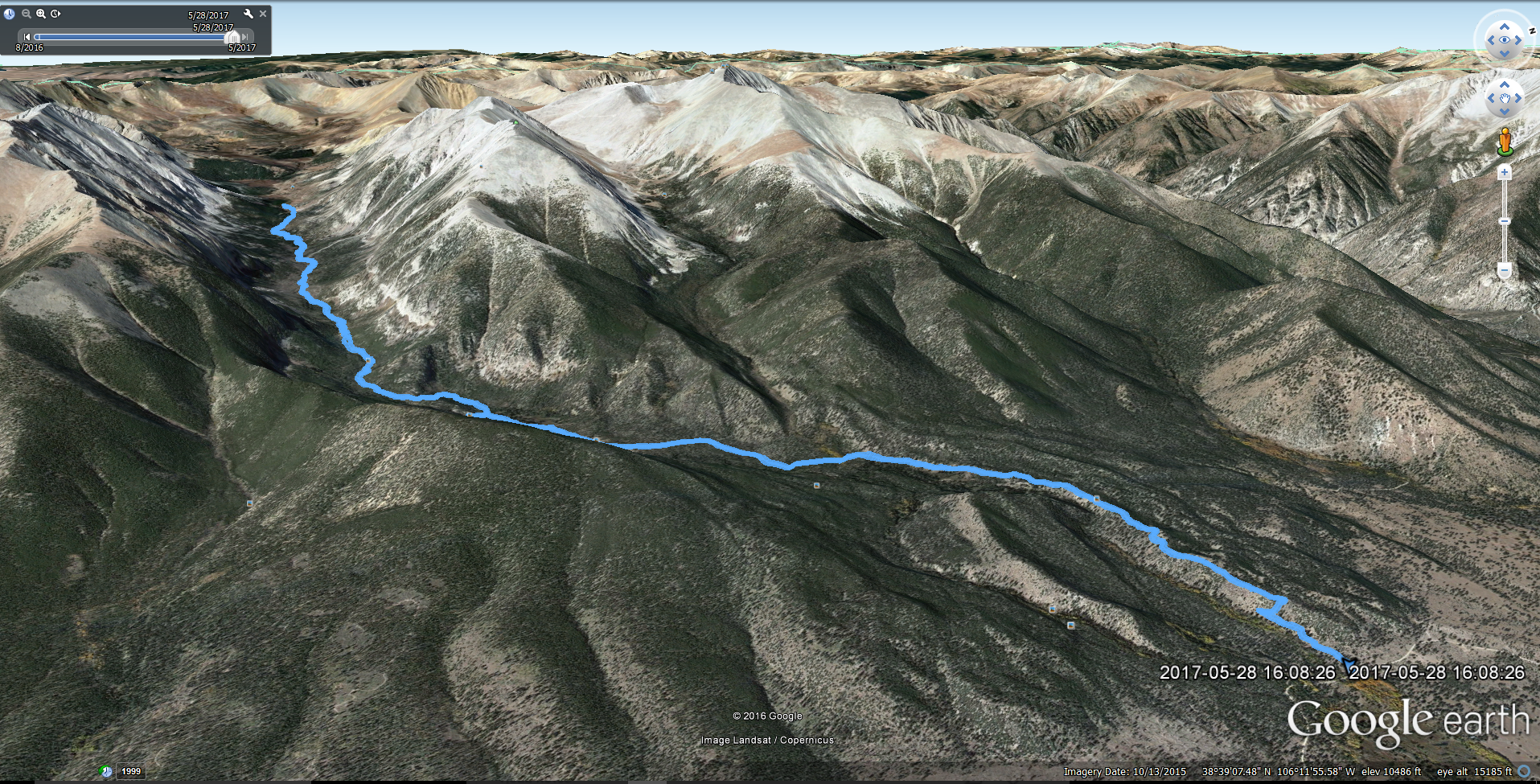
Miles: 12.11 (Out and Back) Min Elevation: 8,918 ft Max Elevation: 11,309 ft Total Elevation Gain: 2440 ft Net Elevation Gain: approx. 2,391
Memorial day was finally upon us this year, marking the quintessential start to summer and the brilliant array of activities that accompany this change in season. However, while Denver was awash in bright sunlight or bathed with warm rain for most of the month, the high country in Colorado continued to get blanketed by late season snow of the wet and heavy variety. May 29th marked our 7th wedding anniversary, and despite no promise of prime conditions, we were determined to seek refuge in the mountains to celebrate. On Saturday May 27th, we piled into the truck on little sleep and headed southwest towards Salida, CO in the hopes of bagging Mount Shavano and kicking off the climbing season early. Due to a little procrastination on our part with lodging, we were left with the Monarch Mountain Lodge off of Hwy 50 as our romantic getaway. As we pulled into the lodge late afternoon, we were greeted by a creeky old building that looked as if it was many years past prime time. We wandered through the doors and were greeted by a single employee that informed us that there was no restaurant and no bar as advertised. We were disappointed but figured since we planned to rise at 4:30 in the morning to summit Shavano, it would be of no consequence. To make a long story short, the hotel was too noisy to sleep from dogs barking and holiday revelers, and we couldn’t fall asleep until 3:00 or so in the morning. Sadly, we had to forgo plans on any summit attempt on our trip to due to sheer exhaustion. Despite our disappointment, we got a few more hours of sleep and opted to head late morning to Browns Creek TH and complete a waterfall and lake hike.
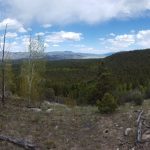
To reach the trailhead coming from Salida, we went north on Hwy 285 and made a left (west) on County Road 270 and traveled for several miles on a dirt 2WD road to reach the TH. There is a smallish parking lot there with room for 25 or so cars. Browns Creek flows in a beautiful canyon with 13ers Mt. White and Jones Peak towering on each side. The trail starts at just under 9,000 ft and reaches 11,300 at Browns Lake. We started the hike just after 10 am with a clear blue sky in front of us. Immediately the trail gains elevation, with absolutely no warm-up time. We weaved in and out of the trees for about a mile until the path reached a ridge and briefly flattened for a bit giving way to exquisite views of the surrounding valley and mountain ranges. At these elevations, we were pleasantly surprised to not find any snow or mud.
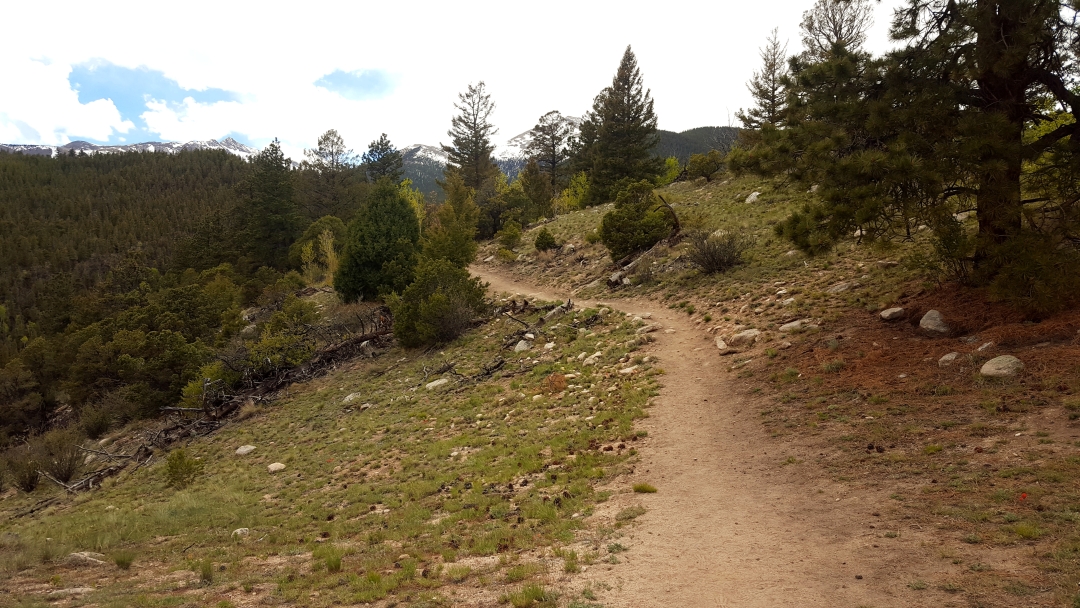
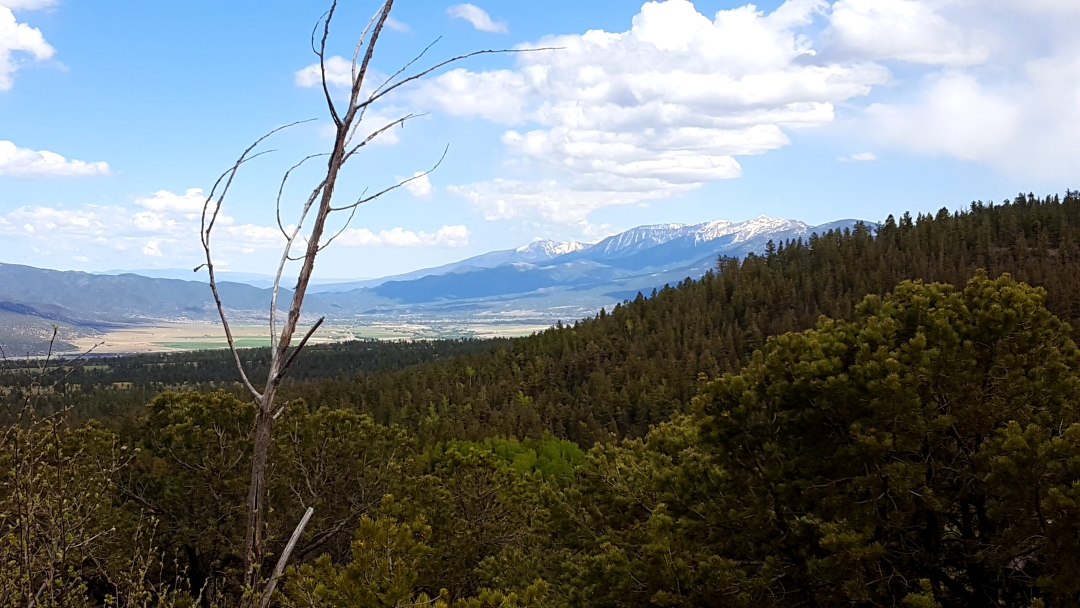

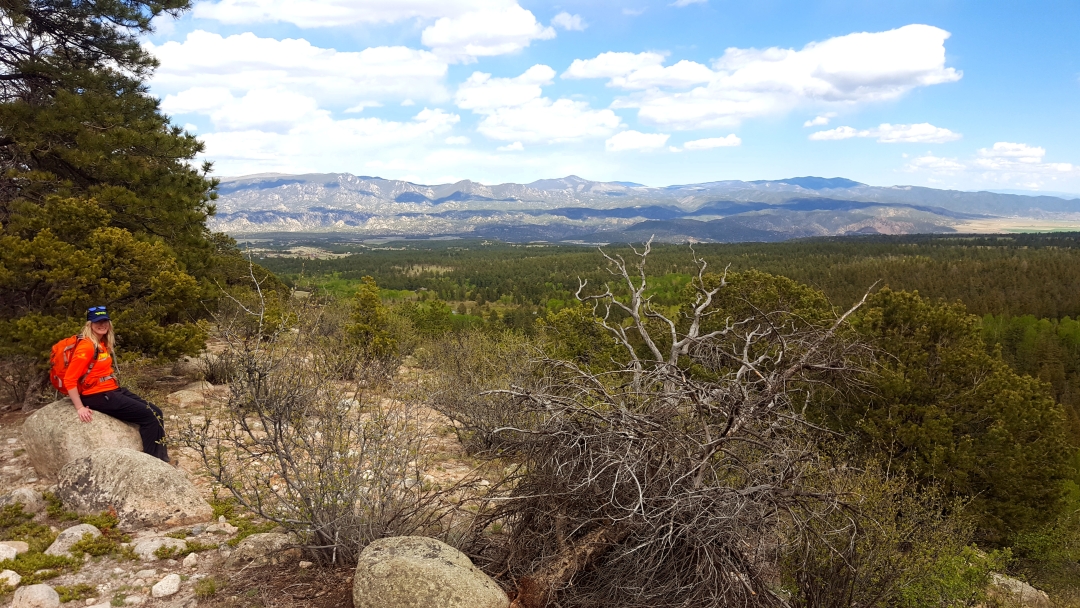
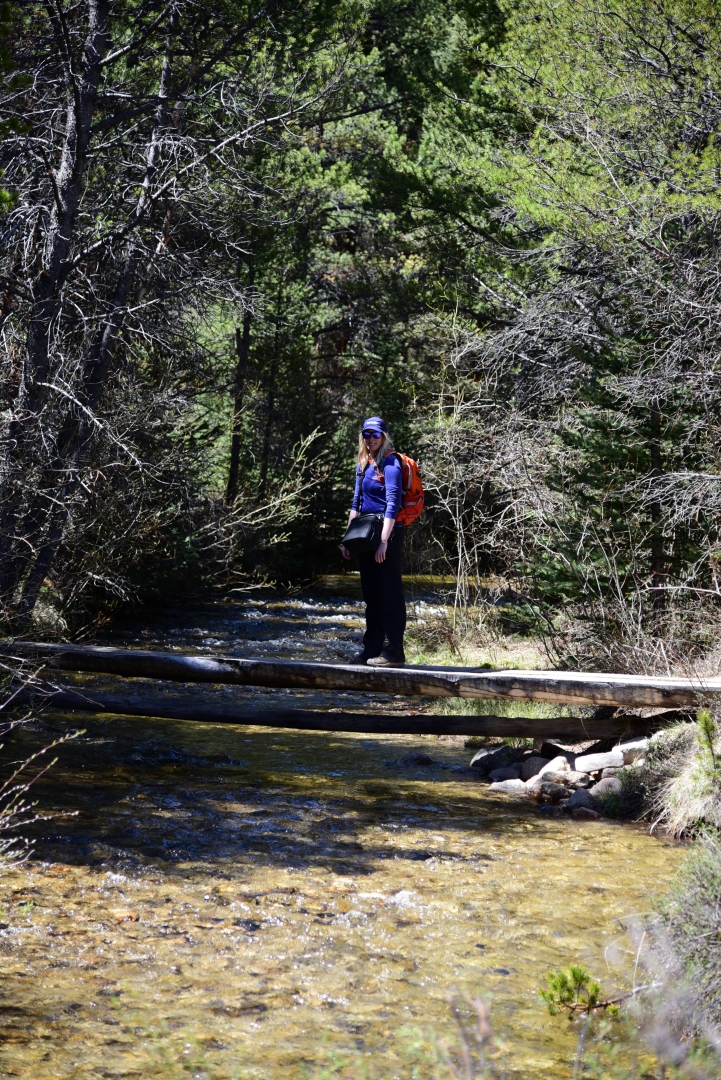
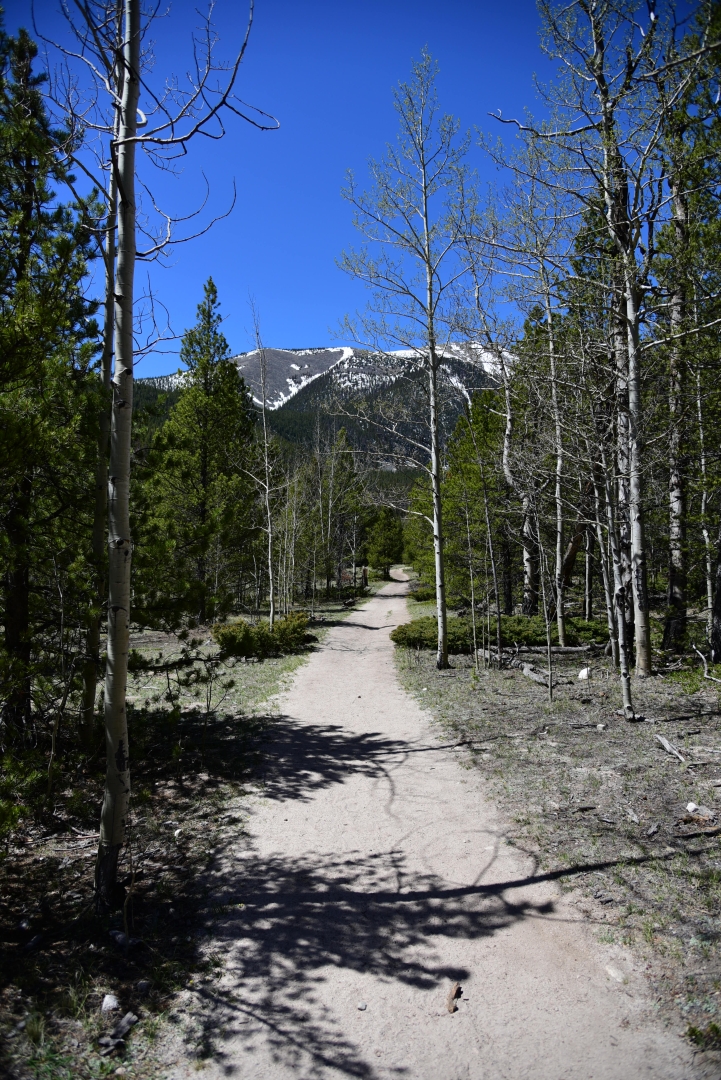
About halfway to the waterfall (1.5 miles), the elevation gain eases up quite a bit and eventually the trail opens into a beautiful meadow. The sandy path through this portion is wide and easy hiking. We followed it pleasantly and reached our first creek crossing which we navigated with a perfectly placed and constructed log bridge. Shortly after, the trail meets another creek crossing, with a heavier waterflow. The majority of this hike is near freshly flowing water greeting guests with one of nature’s peaceful rhythms. Seen below are photographs from the meadow and creek crossings prior to reaching the waterfall.
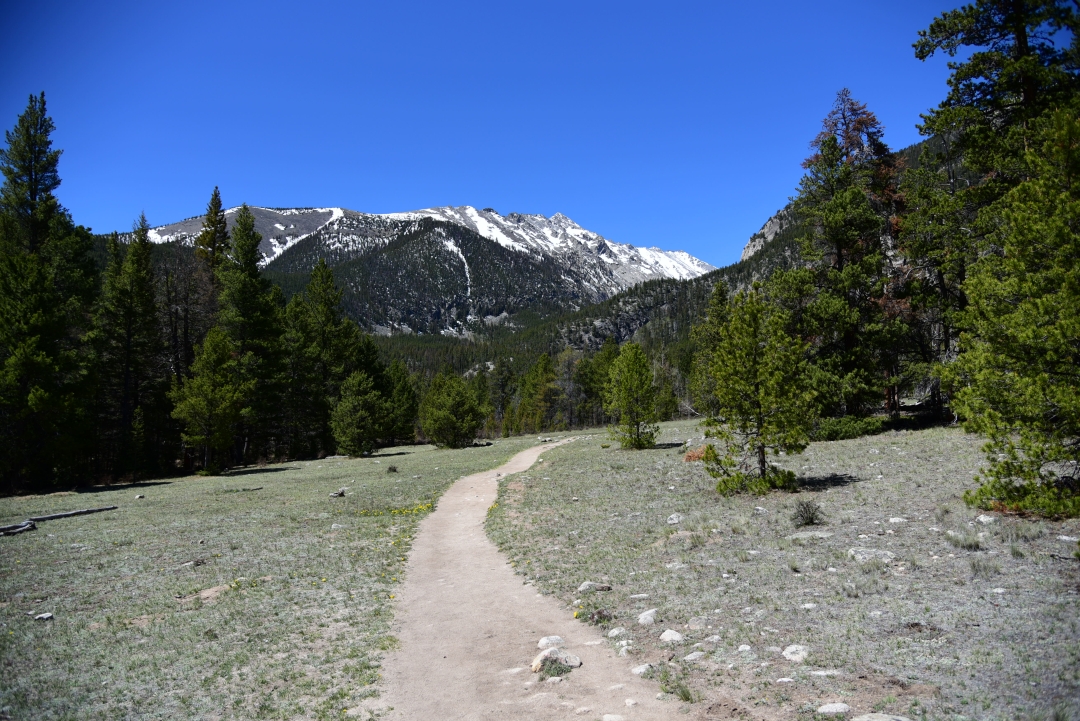


After these two creek crossing, the trail fairly quickly reaches the waterfall. There is a sign that says Falls directing hikers to the left on a short social trail. We excitedly veered off the main trail, as we heard the powerful rush of the water plummeting downstream. The Browns Creek Waterfall is absolutely amazing, and in our opinion, even rivals that of the famous Ouzel Falls in Rocky Mountain National Park’s Wild Basin. There were several large boulders to sit on near the falls to enjoy a snack and the pleasant sounds of the roaring water. Several hiking parties were at the lake, but there was still plenty of space for everyone to see and enjoy. We spent about 20 minutes here taking photographs and relaxing in the warmth by the water.
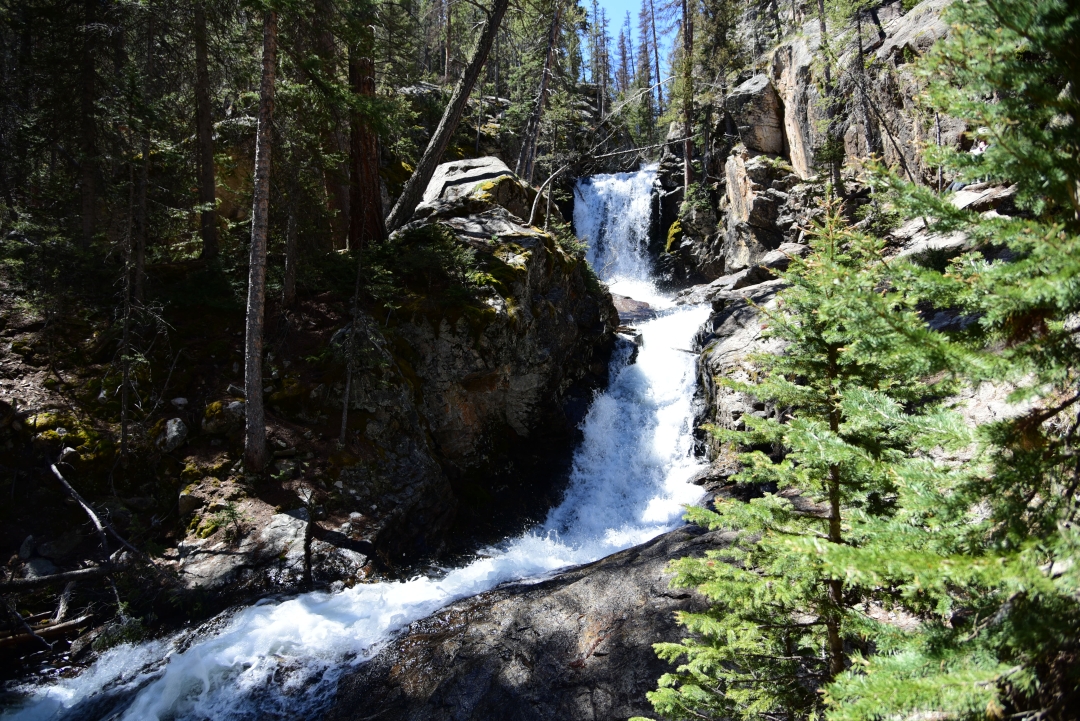
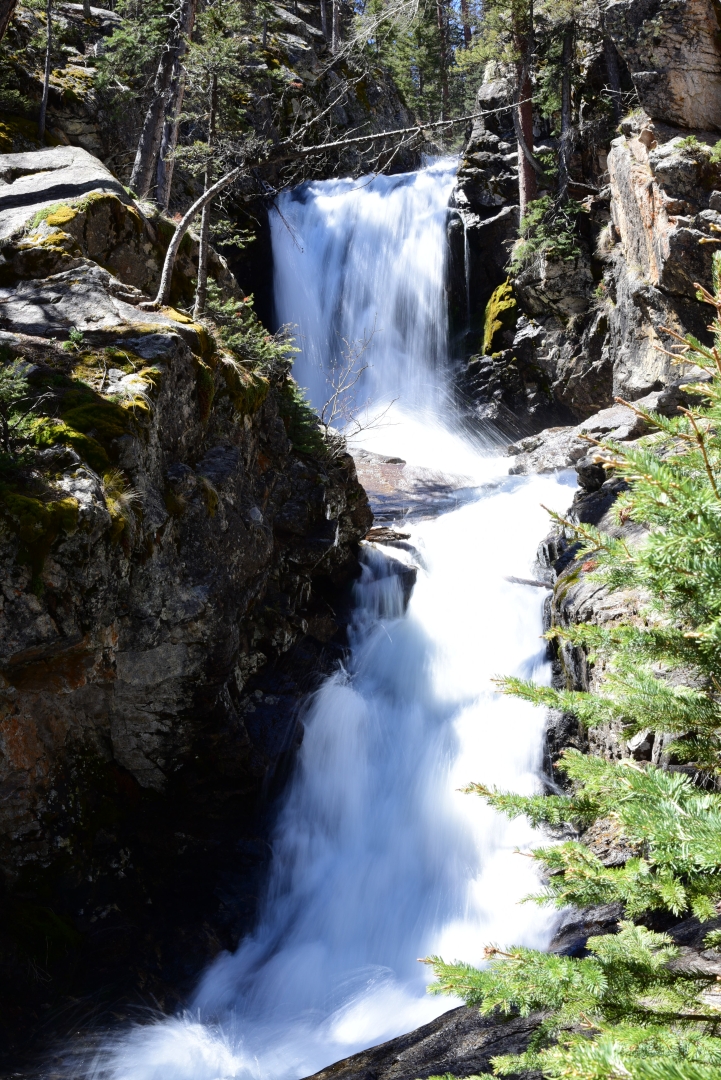
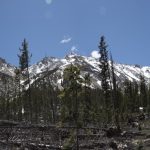
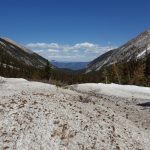
It was still very early in the day when we reached the falls and barely a cloud was in sight so we decided to head back to the main trail and hike another 3 miles to Browns lake. Our enthusiasm began to wane about a mile an a half into this second portion of the trek. After the falls, the trail becomes infinitely less popular. We navigated lots of rocks and fallen trees as we began another rapid gain of elevation as we followed along the northern side of Browns Creek. It is apparent by the newfound ruggedness of the trail that many people turn back at the falls. Despite our fatigue from a less than stellar night of sleep and the intense rays of the sun, we felt that we had gone too far not to see the lake. Once we emerged from thick forest of conifers and ponderosa pines, the views from the trail became much more enticing. We were greeted with powerful granite snow capped peaks of 13ers dwarfing us from either side. Seen below are photos prior to reaching the lake.
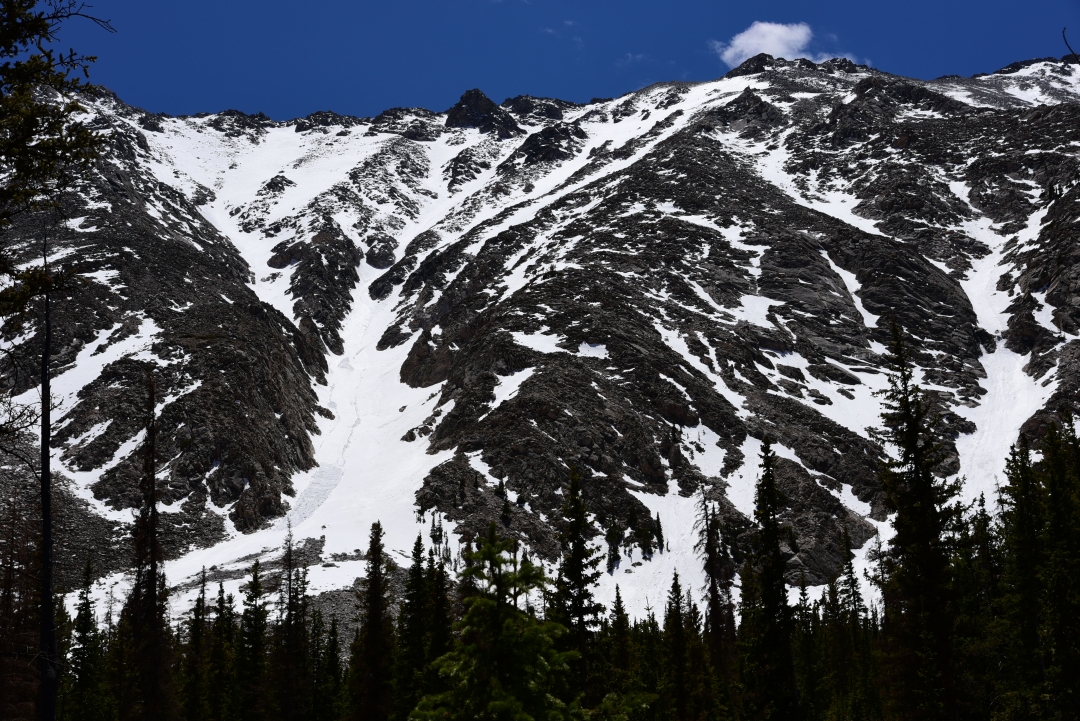
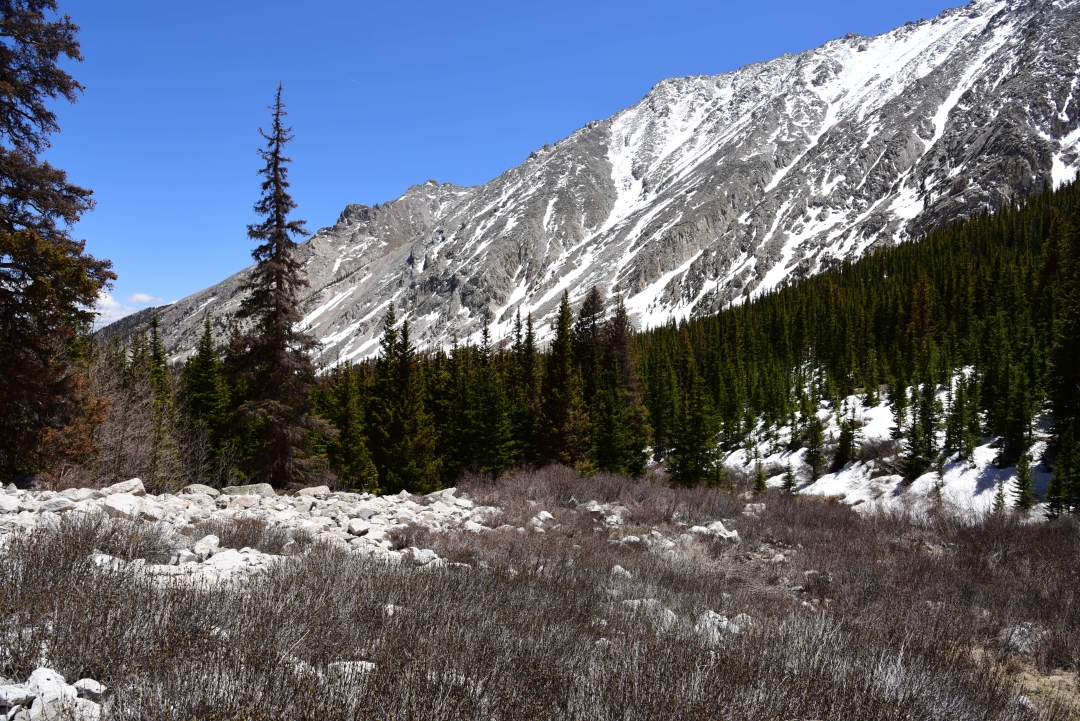
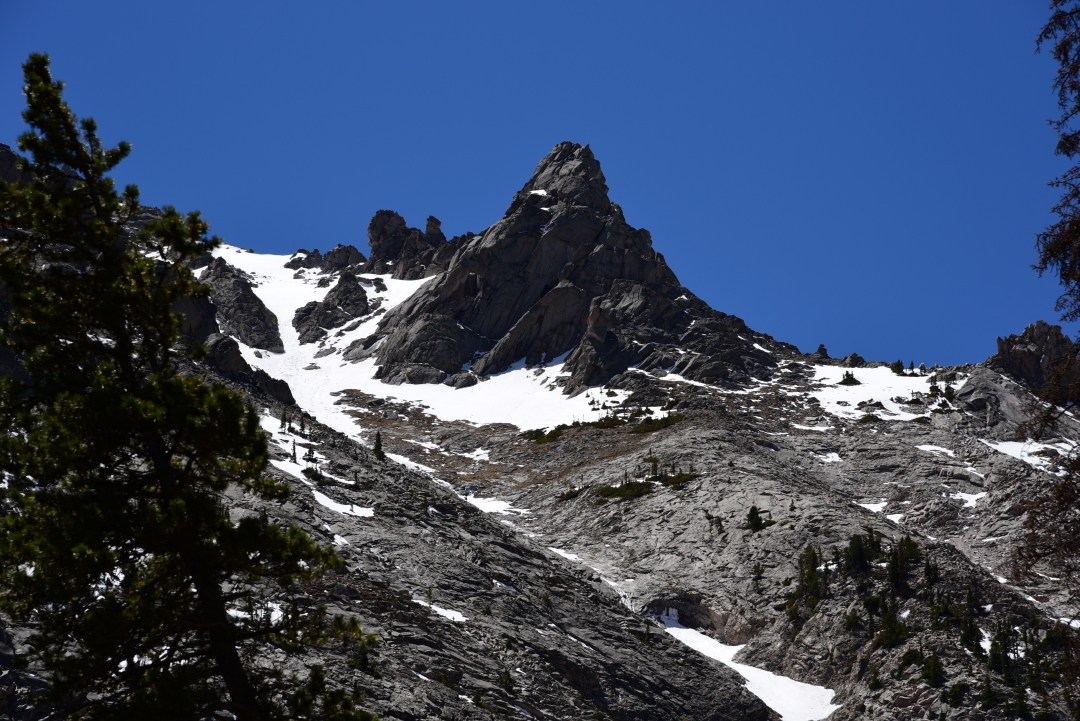
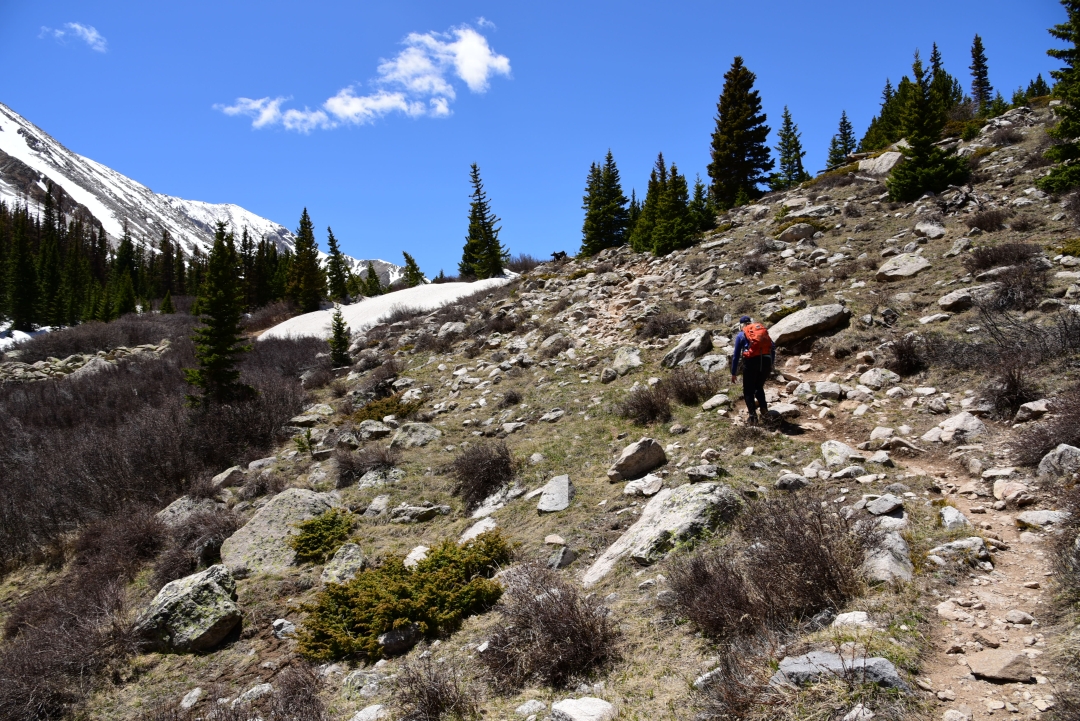
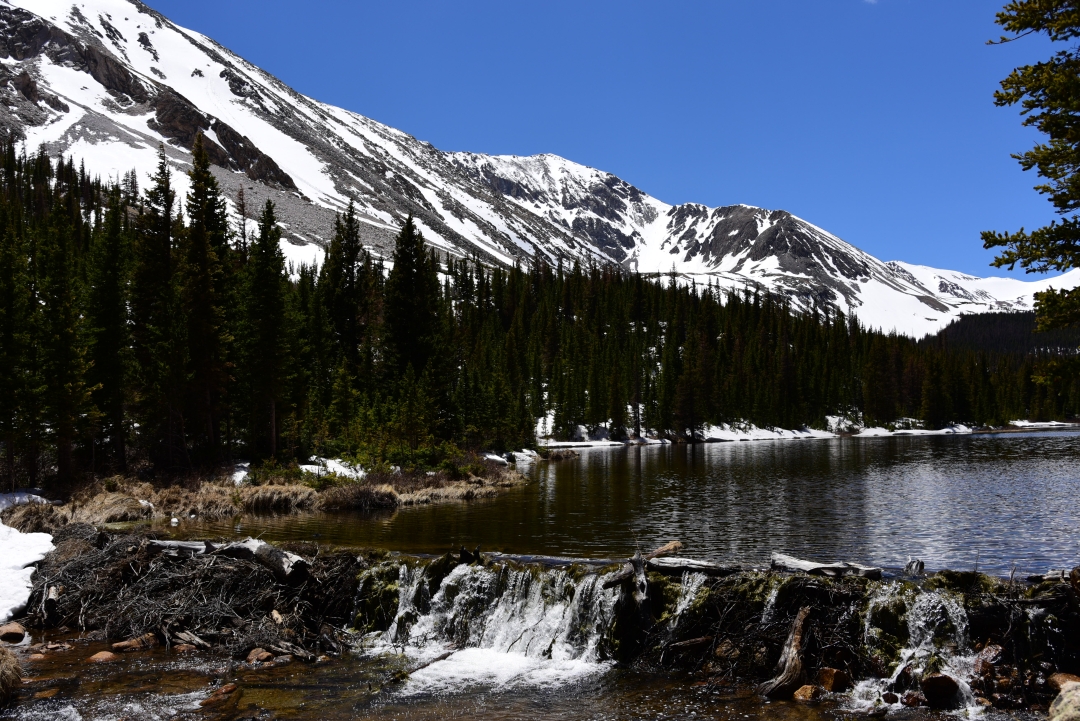
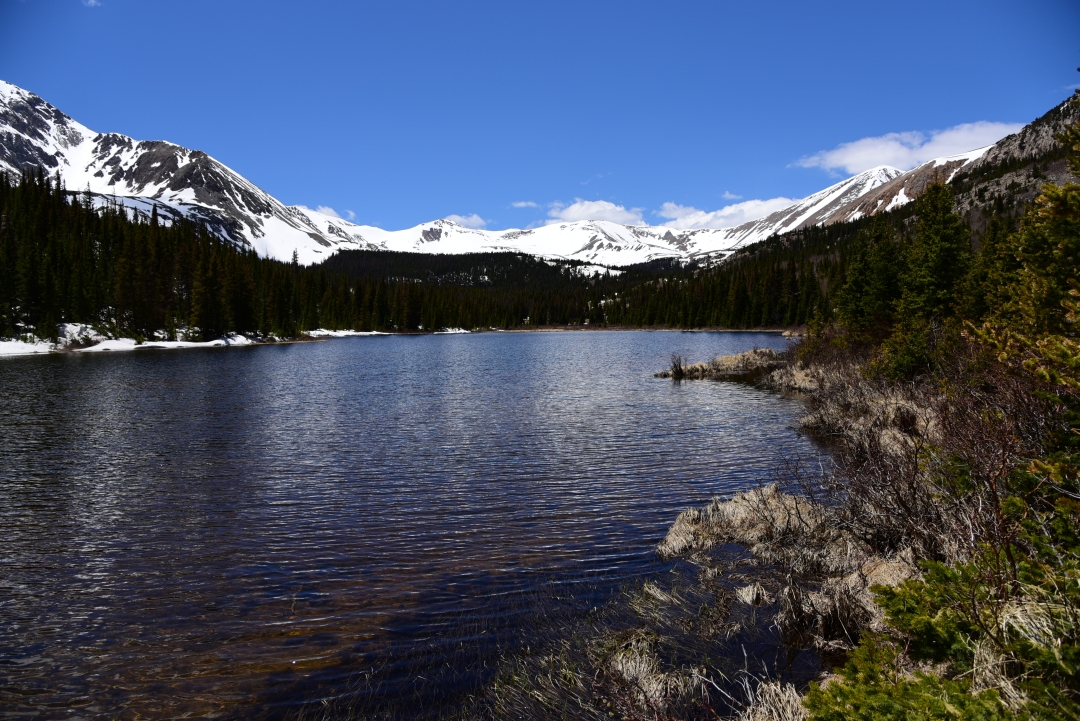
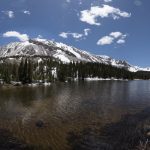
The final push to the lake is a steep boulder strewn path. We anxiously weaved through the rocky course, and just as we felt that we didn’t want to go any further, Browns Lake appeared. We met the narrow lake at the east end where water spills over a log and branch beaver dam into Browns creek. The water was bright, clean and full from all the recent snow melt. We said hi to a few fisherman on the northern banks and relaxed for 30 minutes or so. Despite an elevation of 11,300 feet, temperatures remained relatively mild at the lake. A nap next to the calm waters was quite tempting. Nonetheless, it was approaching 2:00 pm, and our water supply was getting low. We begrudgingly packed up and began the over 6 mile descent to the truck.

We made it back to the trailhead about 4:00 pm and headed into the wonderful little town of Salida to enjoy some food and drink and celebrate an almost half marathon hike in the Sawatch range. Despite lacking the glamour of a 14er summit, the Browns lake hike felt appropriate for the occasion. We were able to relax and enjoy each others company in our favorite place, the rocky mountains.
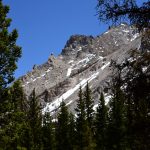
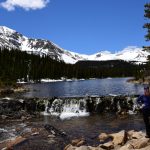
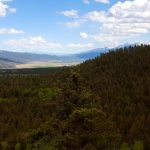
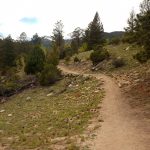
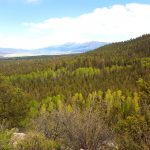
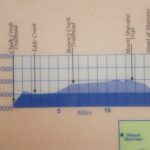
Lair o’ the Bear Park
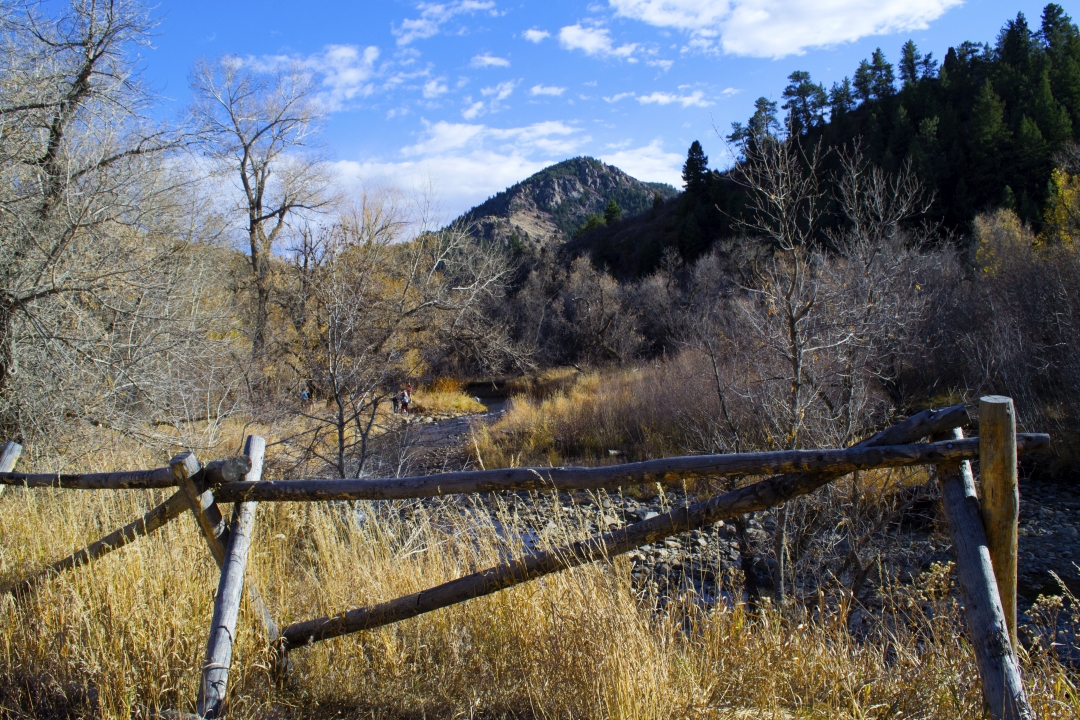
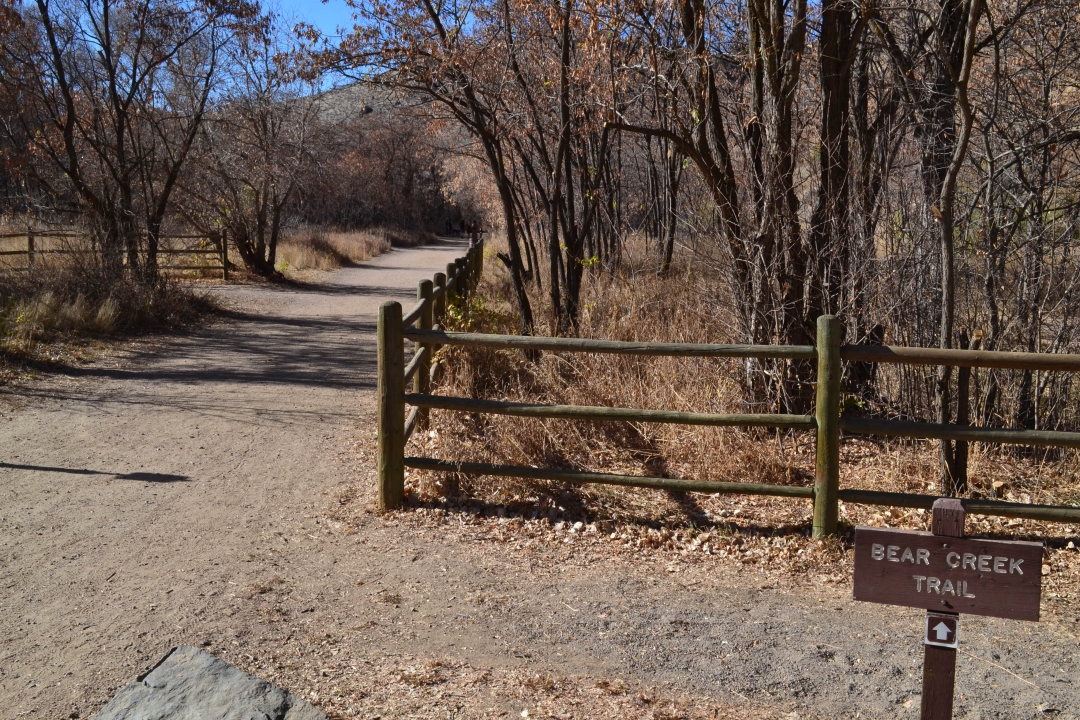
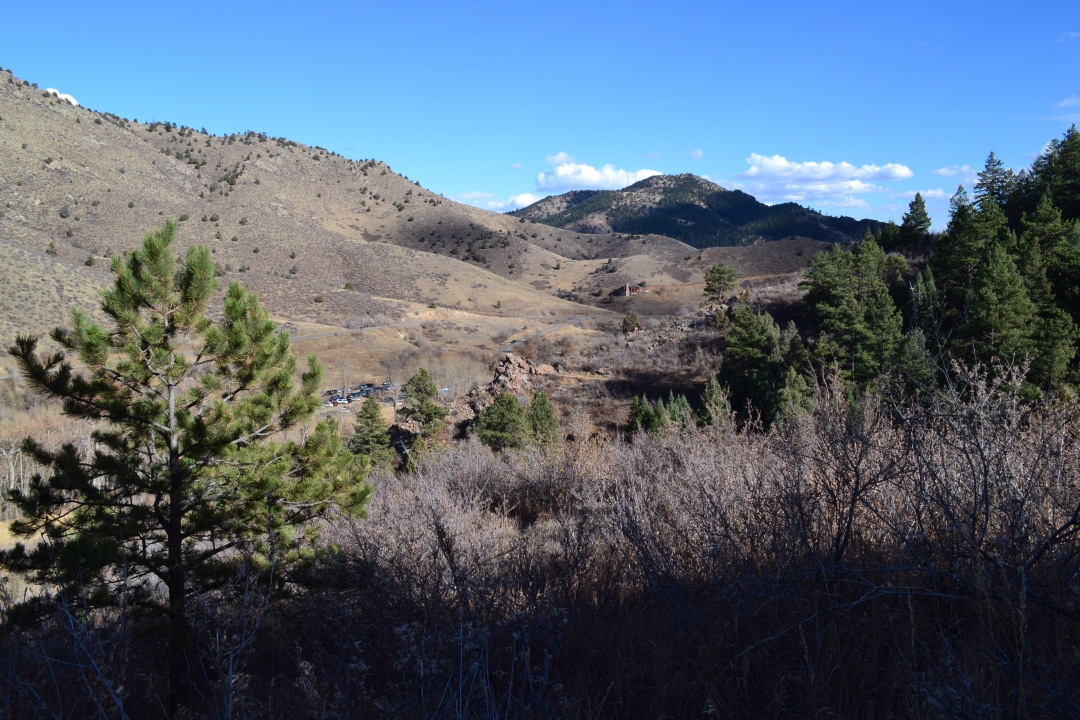
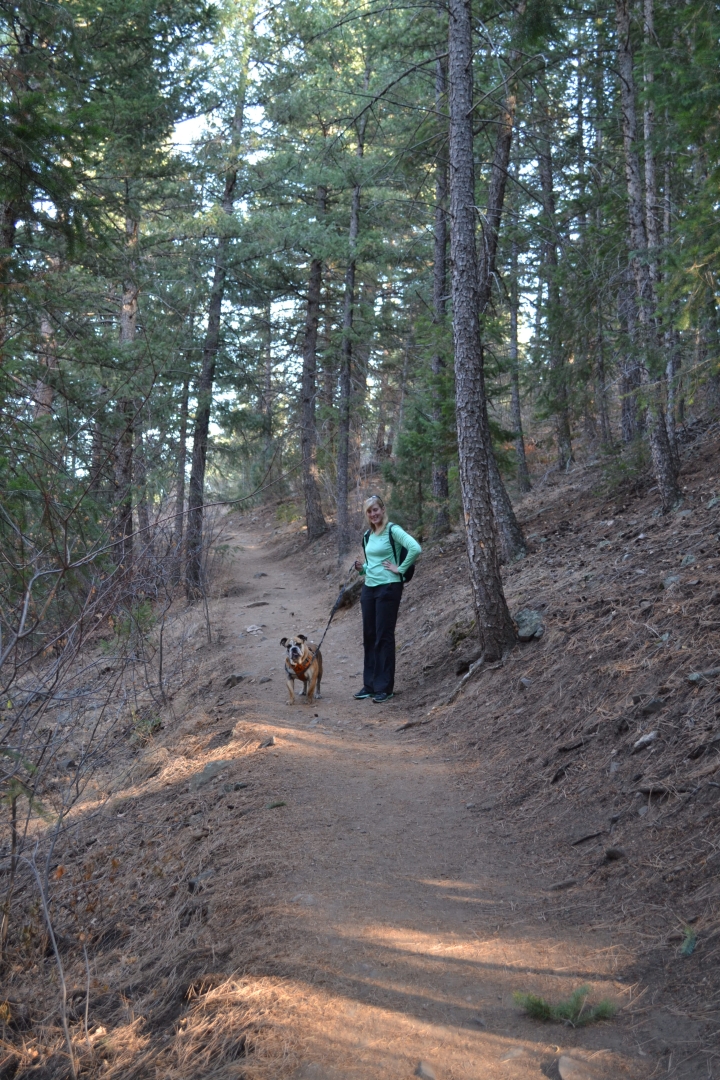
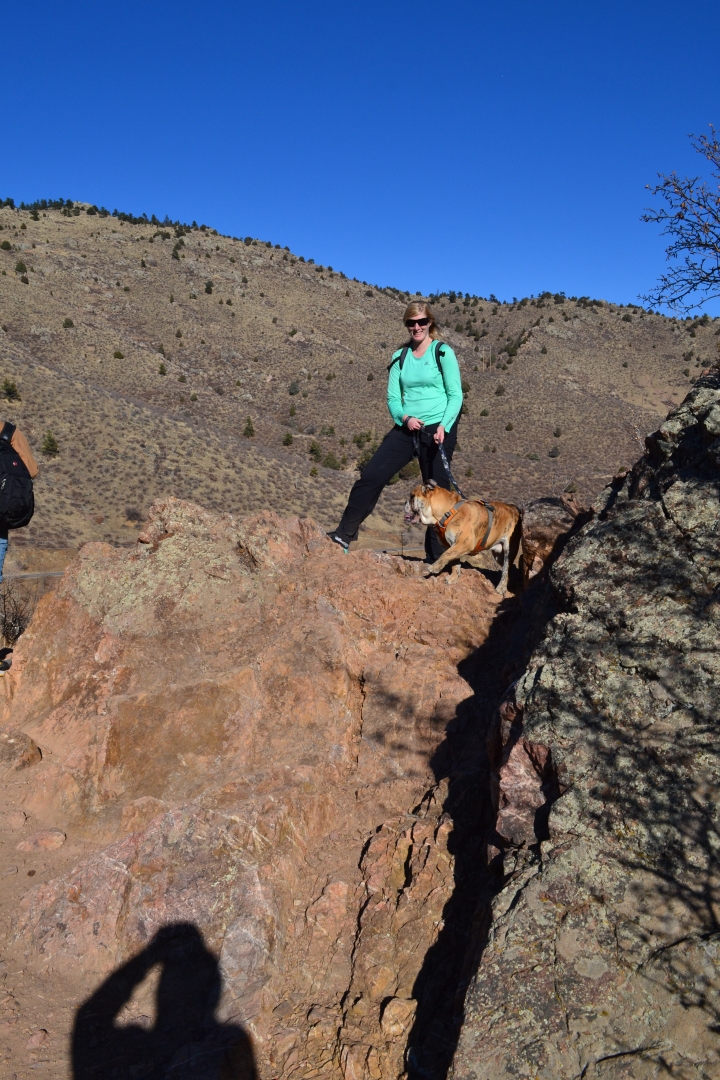
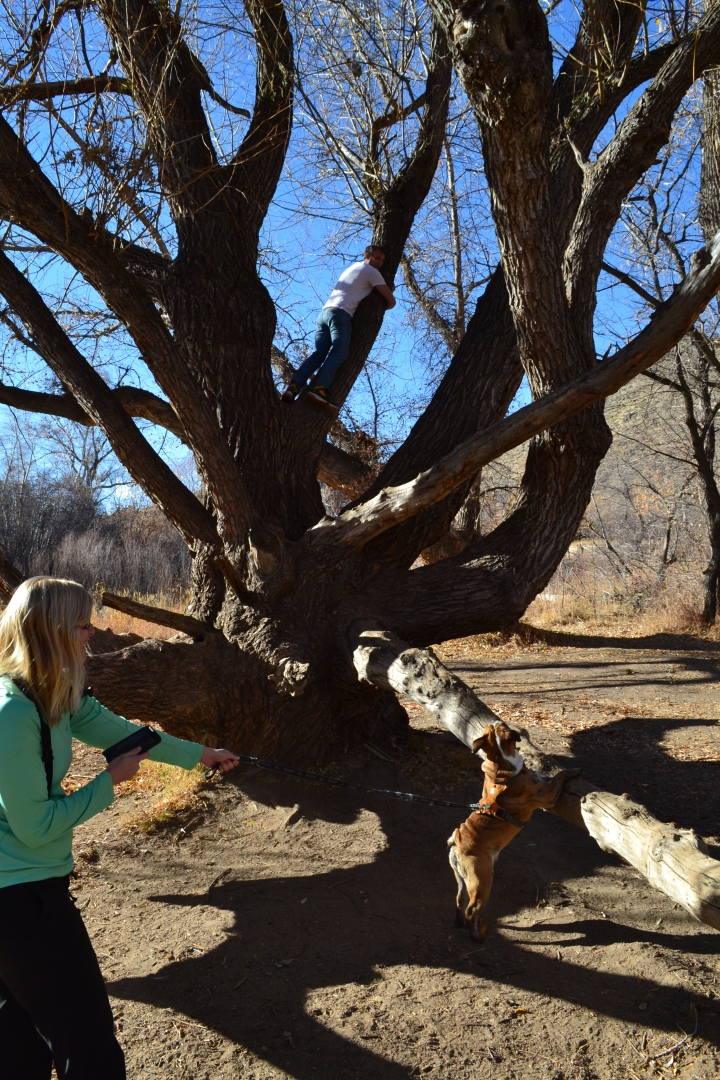
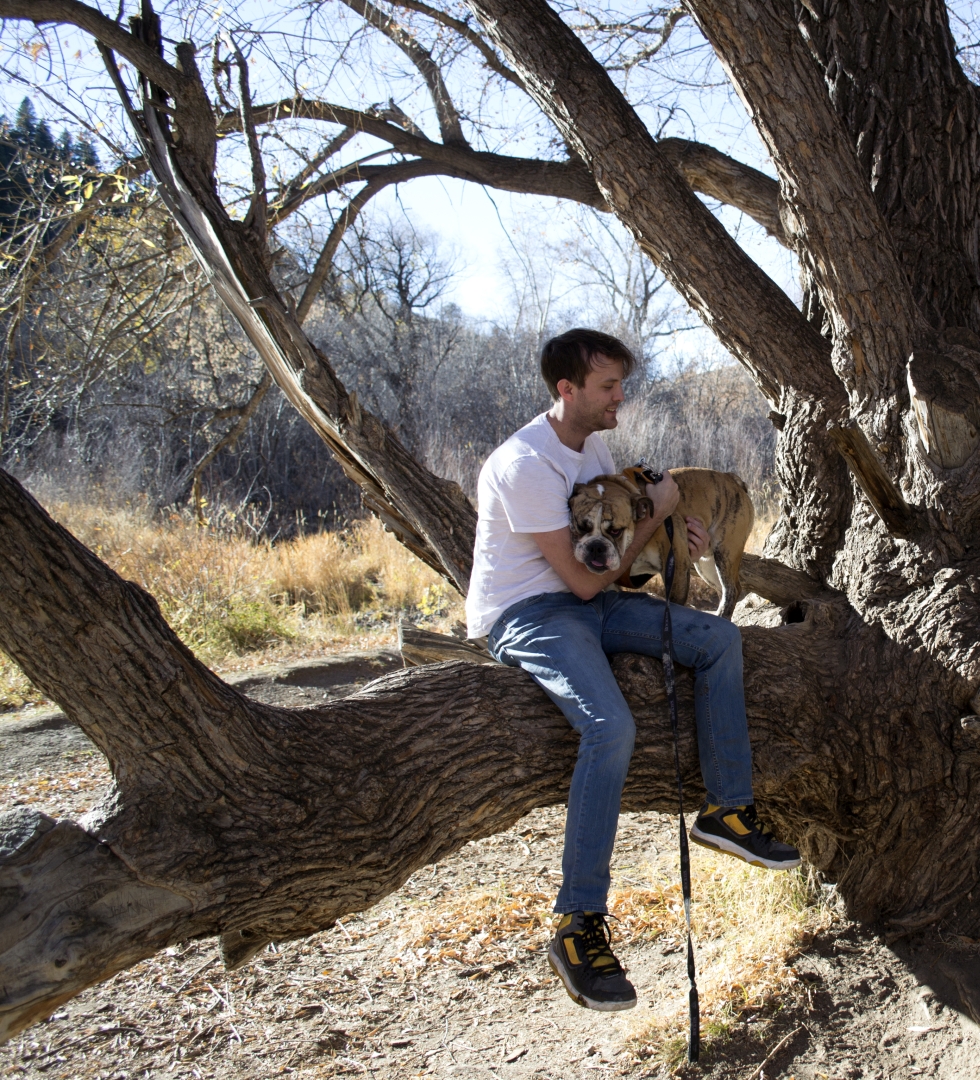
It continues to be gorgeous weather here in the Front Range and so we decided to go hiking with Will and Moses in the Foothills on Saturday, November 12th. We had heard of a little park called Lair o’ the Bear Park near Morrison in Jefferson County and began to drive that way. The drive was scenic and short compared to most of our hikes; and we arrived at Lair o’ the Bear Park in the early afternoon. Parking was close to full, but there were spots left. We hopped out and began to explore the trailhead and our options.
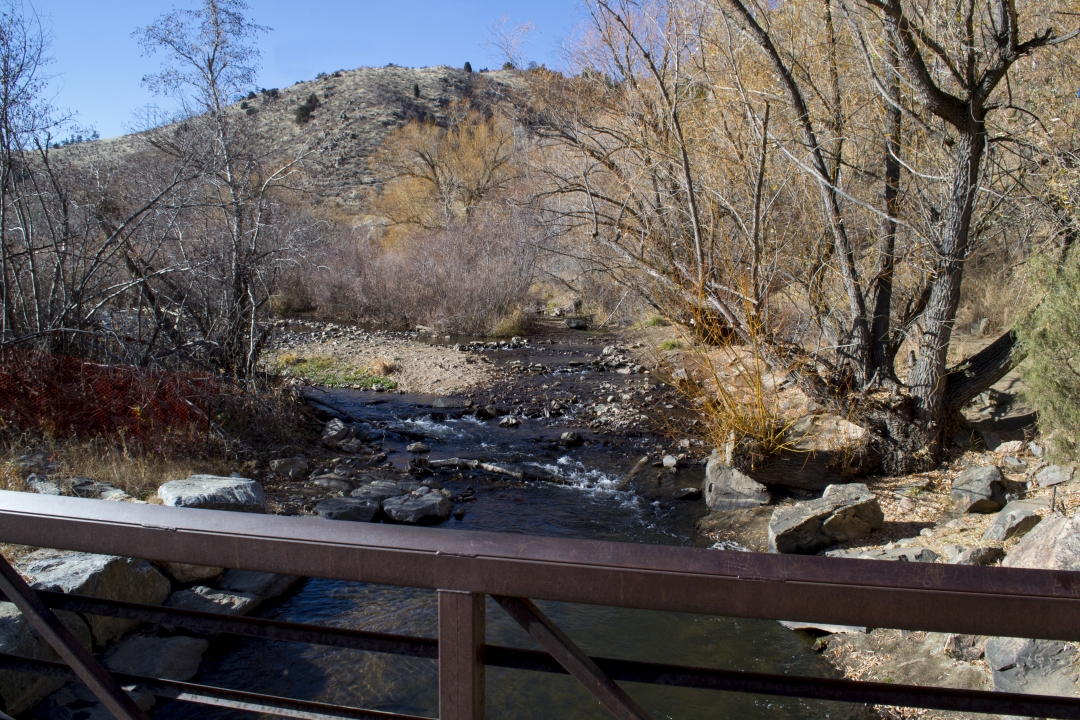
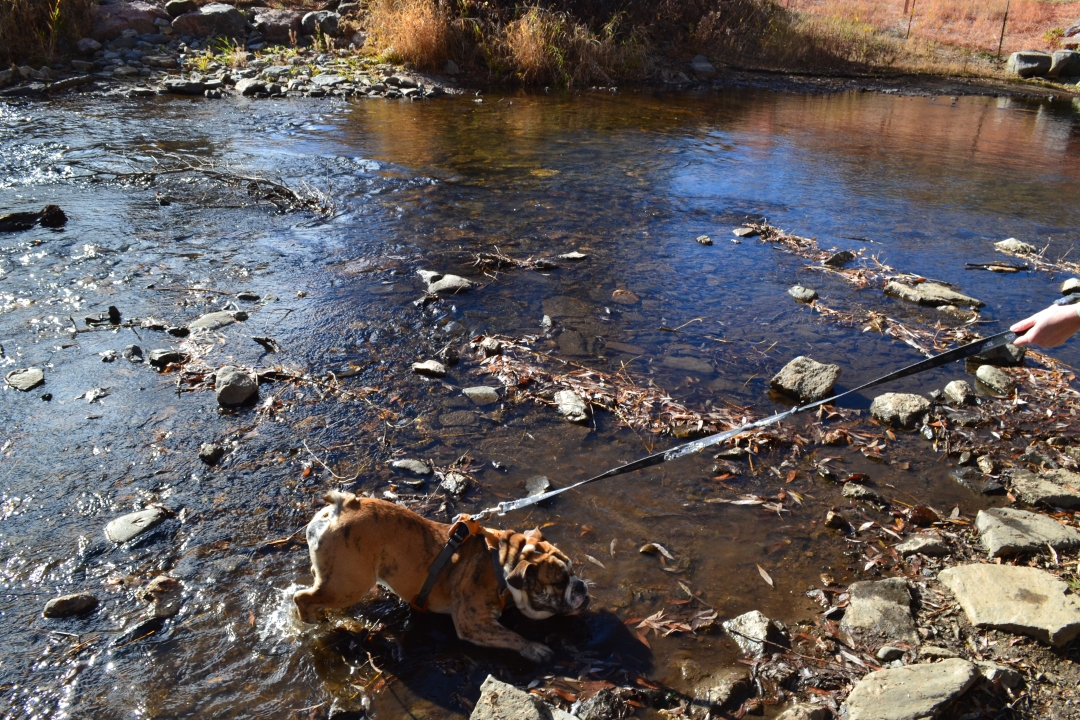
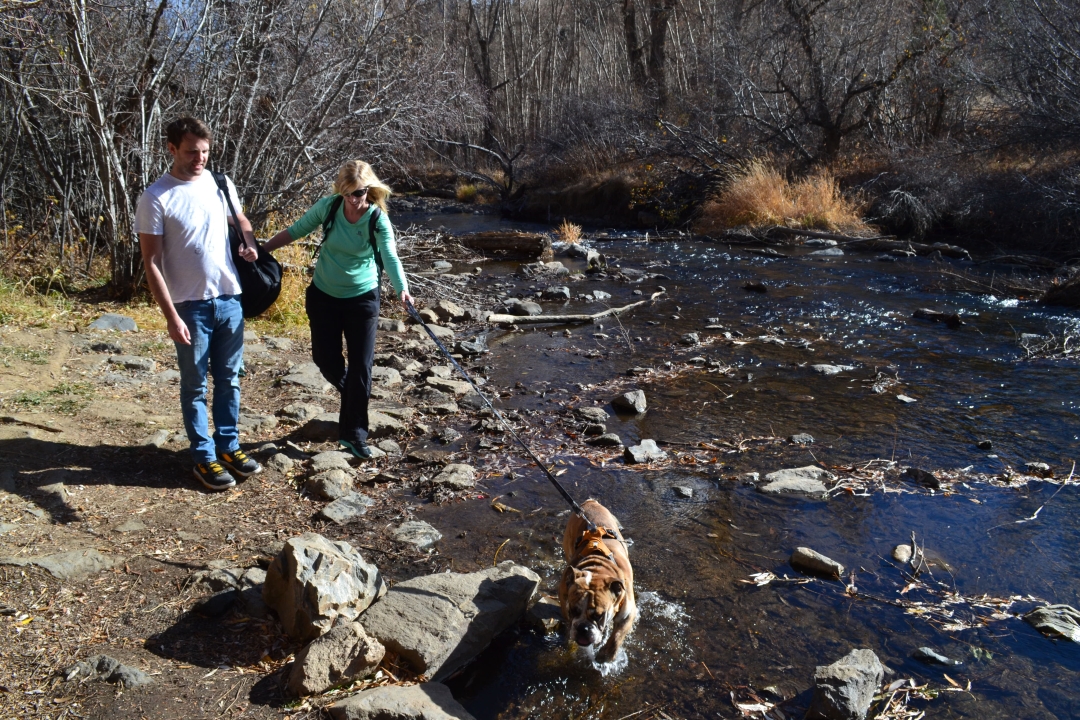
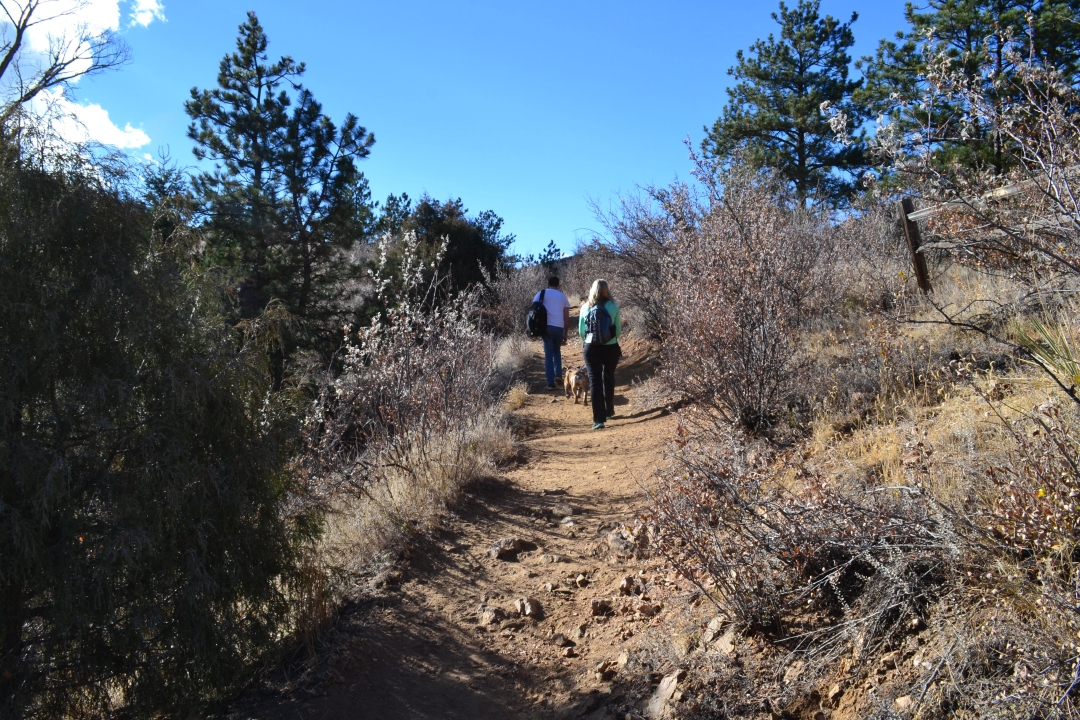
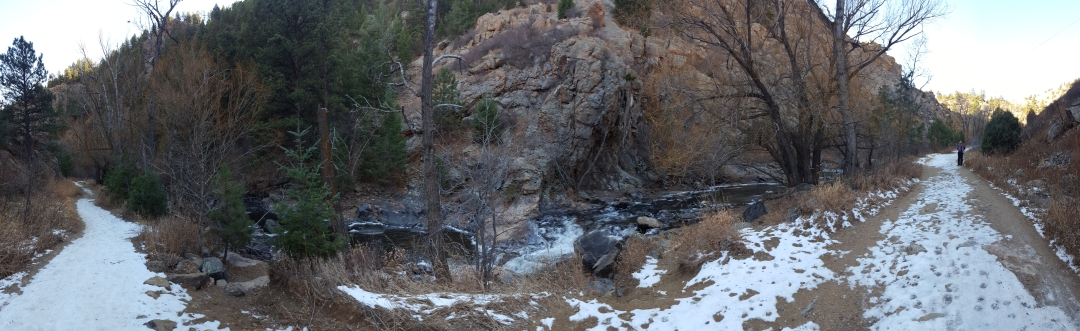
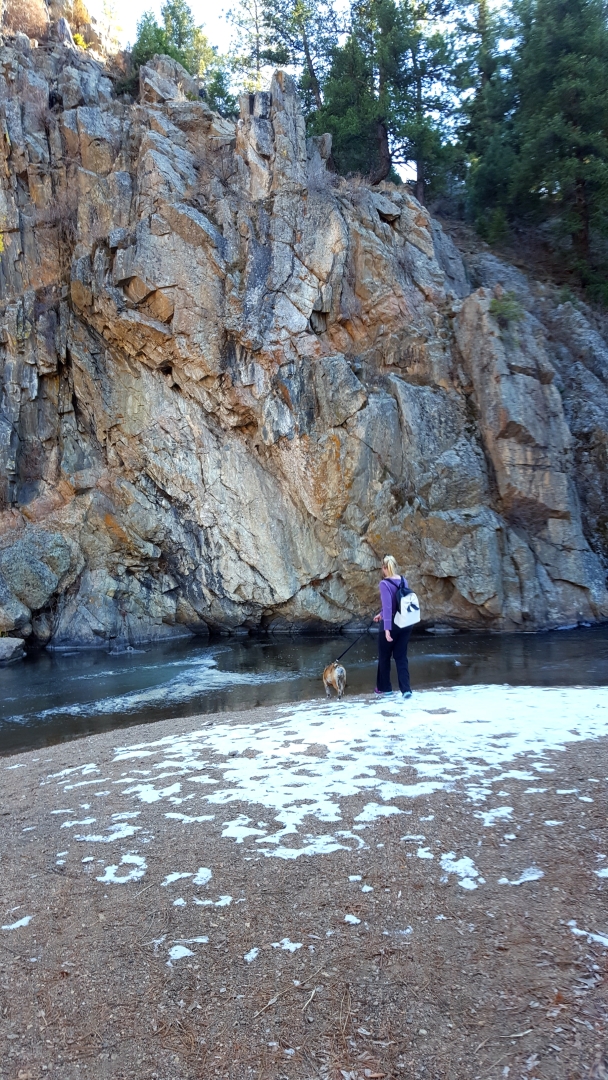
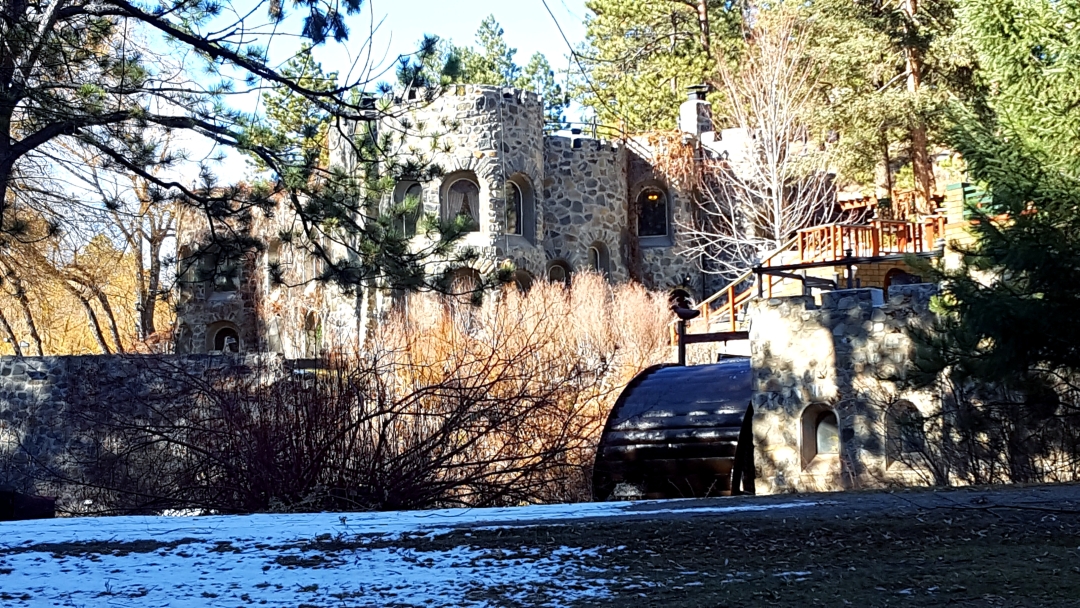
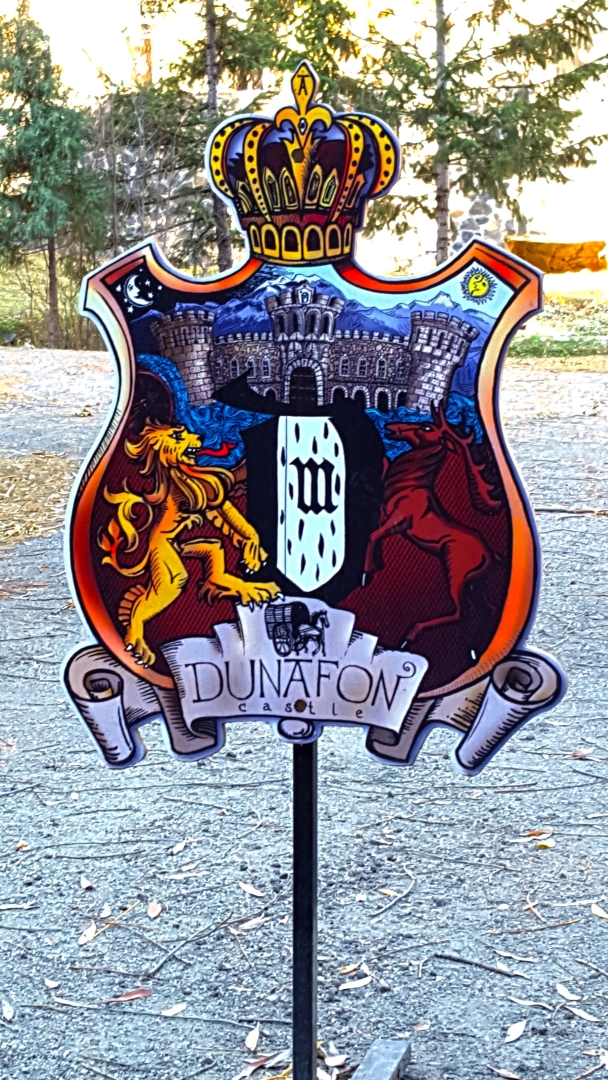
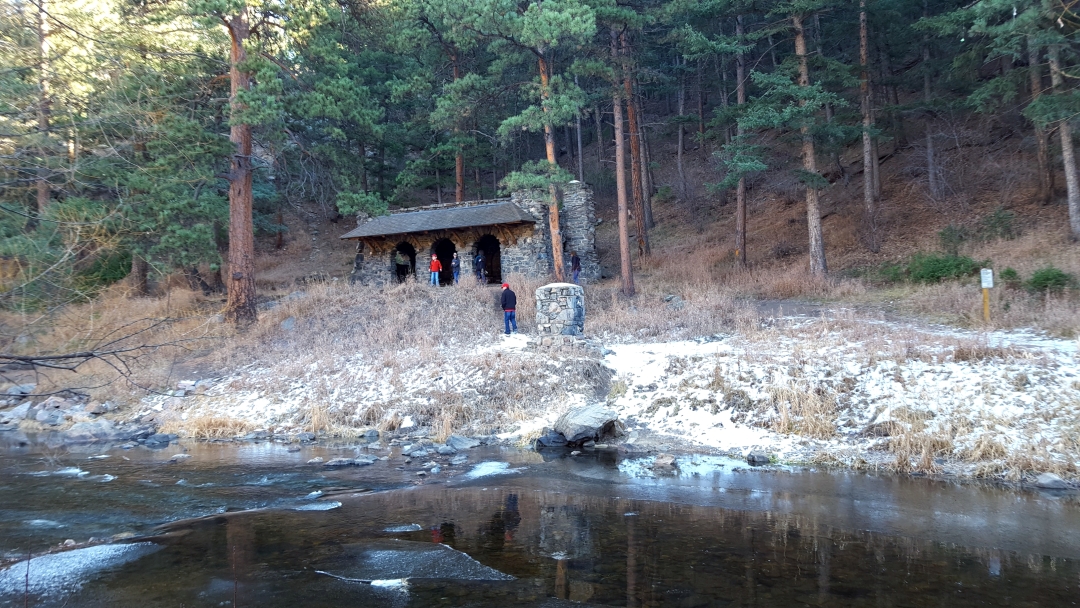
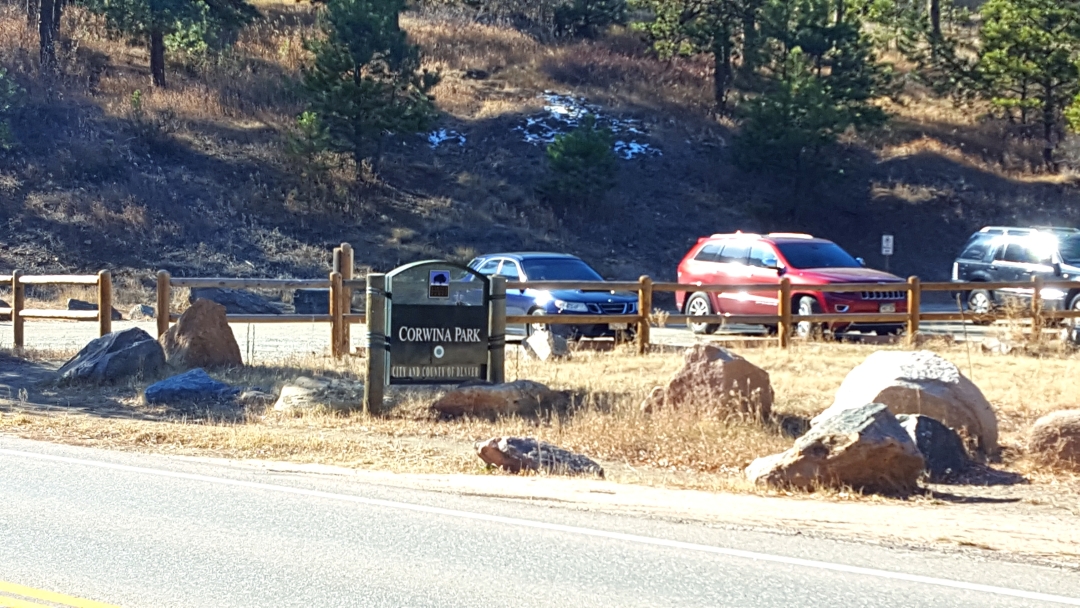
The options at this park are numerous, and so we came back again on Friday, November 24th. As crazy as it seems, the trails were still relatively clear of snow even as we get close to December. Our first time out we walked on the Bear Creek Trail, which runs along Bear Creek, until we hit a bridge that led us to the Bruin Bluff Trail. The Bruin Bluff Trail loops around the park and gives some pleasant views from the hills to the south of the park. As we looped back around, we met back up with the Bear Creek Trail and followed the trail back to the parking lot. On our next adventure, we opted to visit a castle we had read about which is located about a mile out on the Bear Creek Trail. We hiked approximately one mile to Dunafon Castle and then kept going another half a mile to Corwina Park. This was an out-and-back. Both hikes were around 3 miles, and below are details and pictures from our adventures.
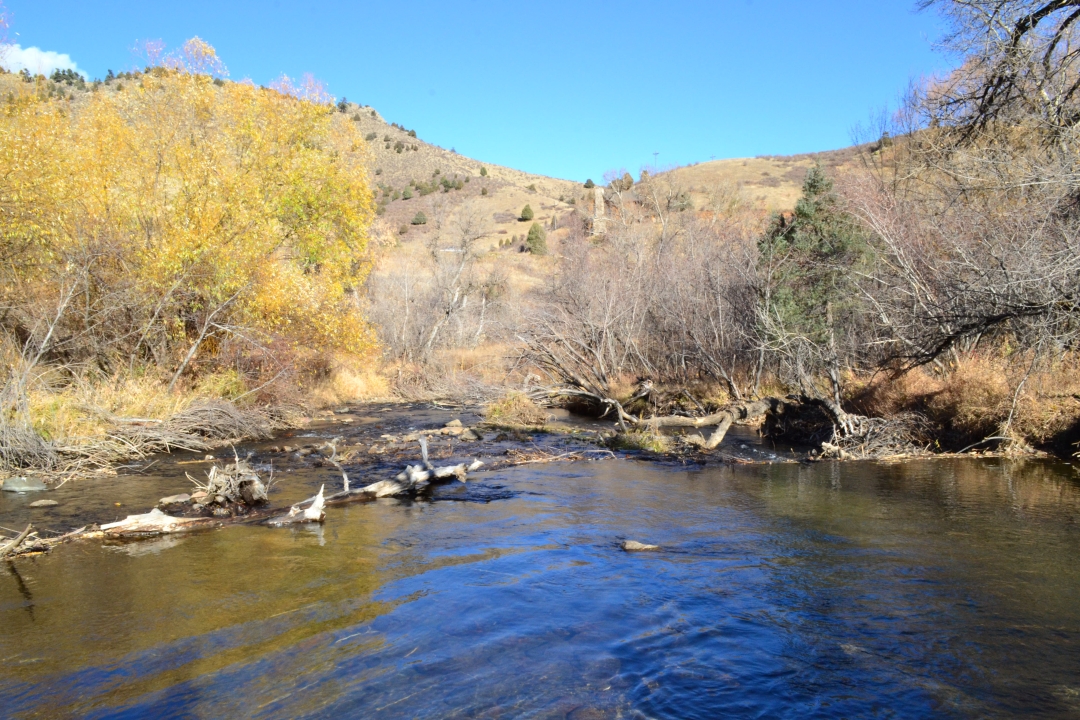
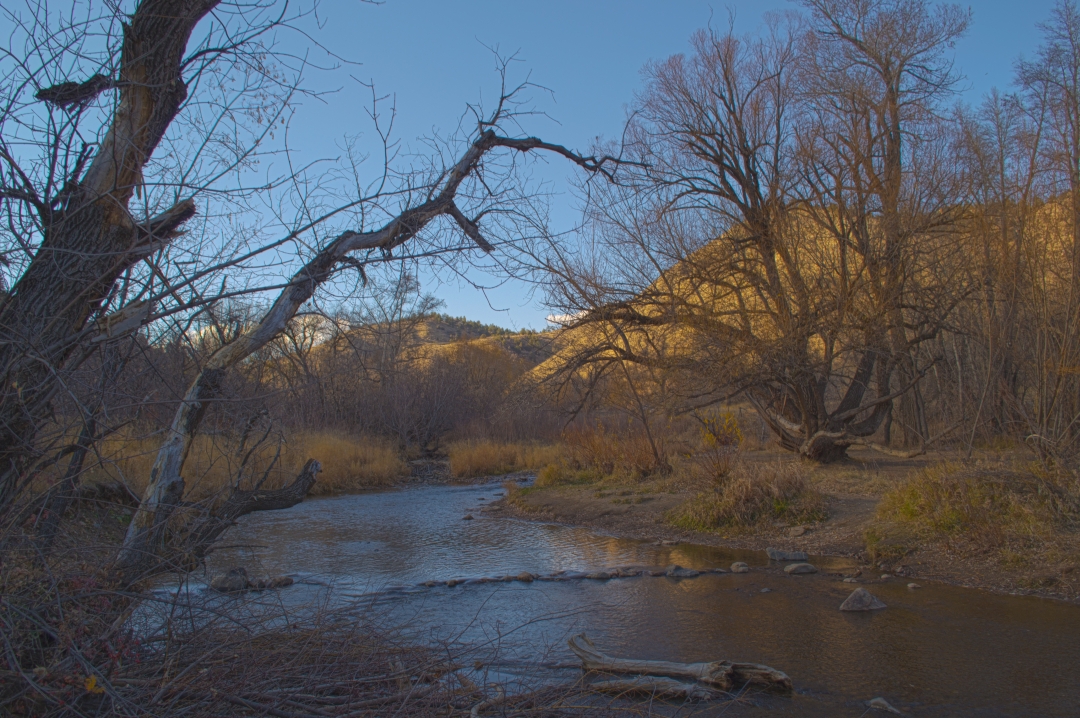

 s wish with some help.
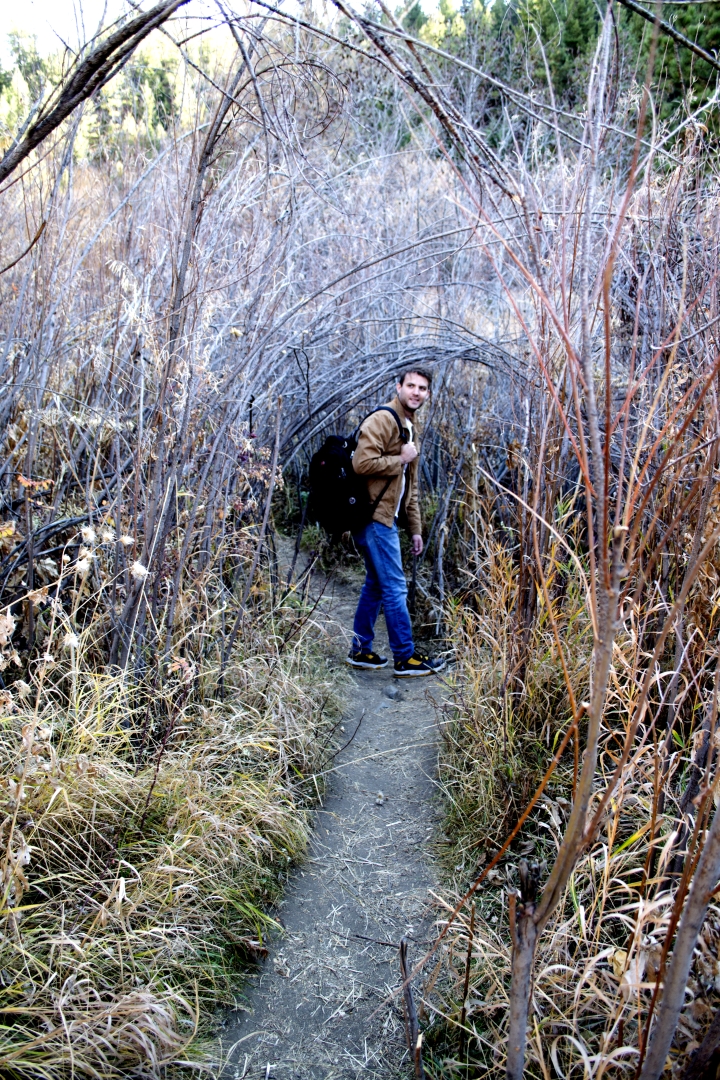
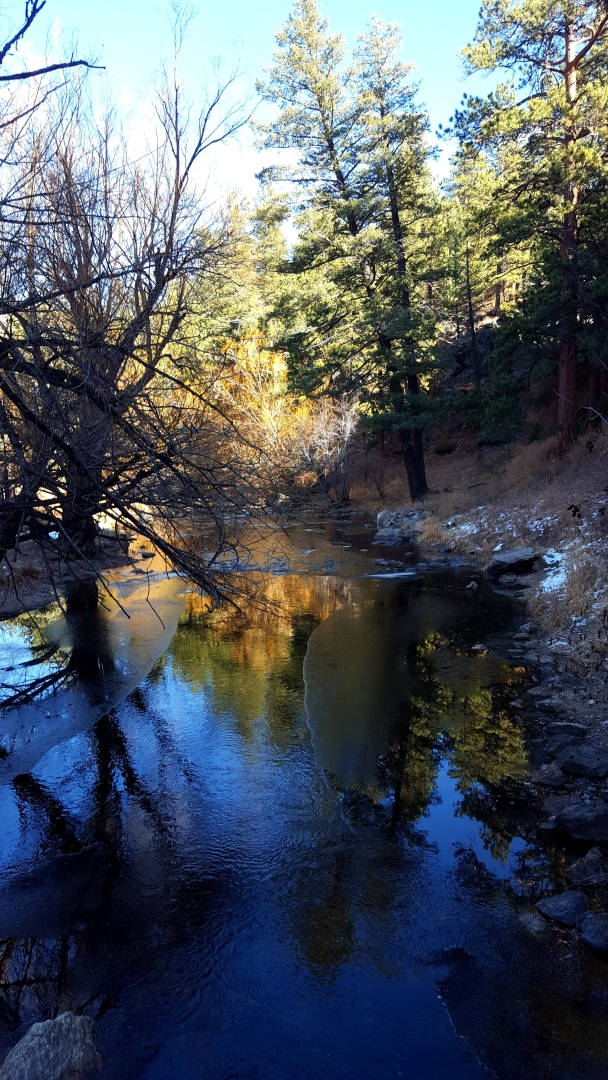
There are quite a few trails leading off from Bear Creek Trail, almost all of them go to the water. One very interesting trail we explored had an arch made of plants that led down to a beach. The Creekside Trail does run along the creek as well, and is a nice short diversion from the other trails. However, there are many other unnamed trails to explore. Just be careful, since erosion can be a problem and damaging the wildlife isn’t anyone’s goal.
Also, the park had a sign that mentioned a problem with New Zealand Mud Snails. The sign warned anglers on how to sanitize their boots and clothing if they go in the water. Because of this, it would probably be a good idea to head this warning signs if you do travel down into the water. The snails themselves are tiny, only about 4-6 mm in length on average, and cause problems for the ecosystem.
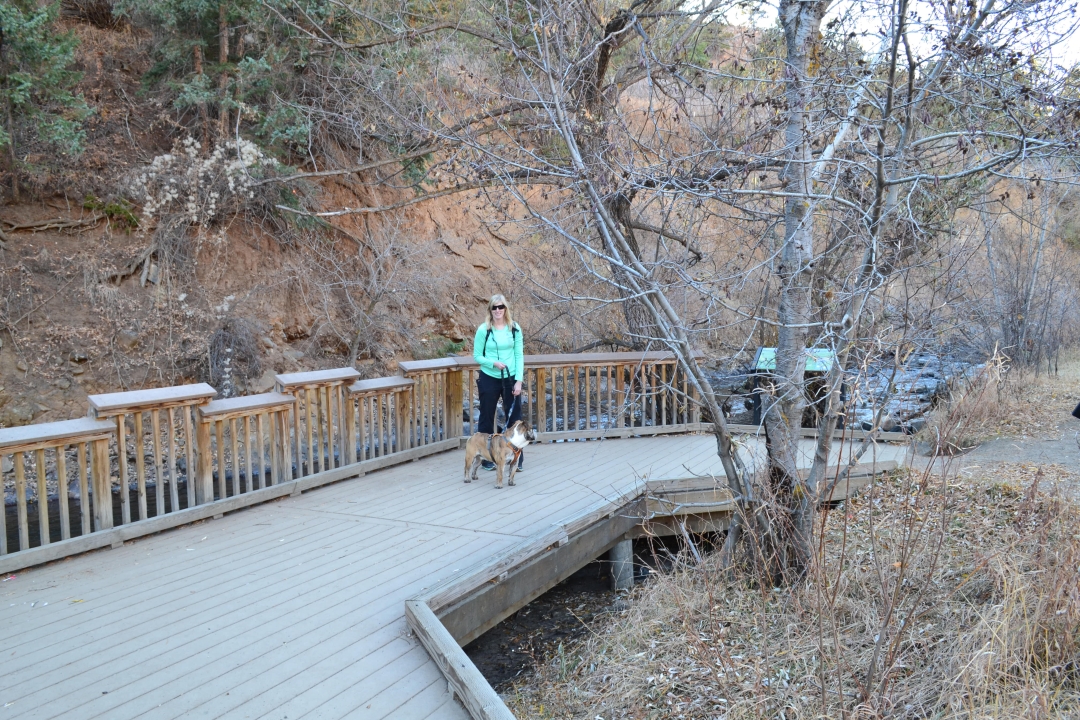
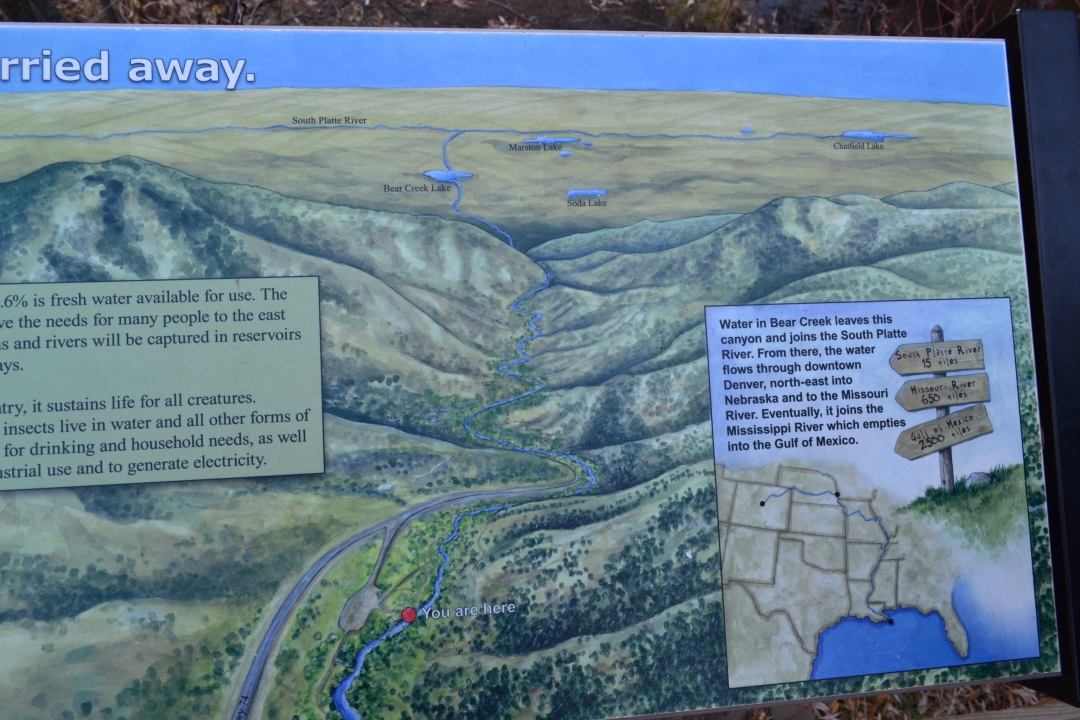
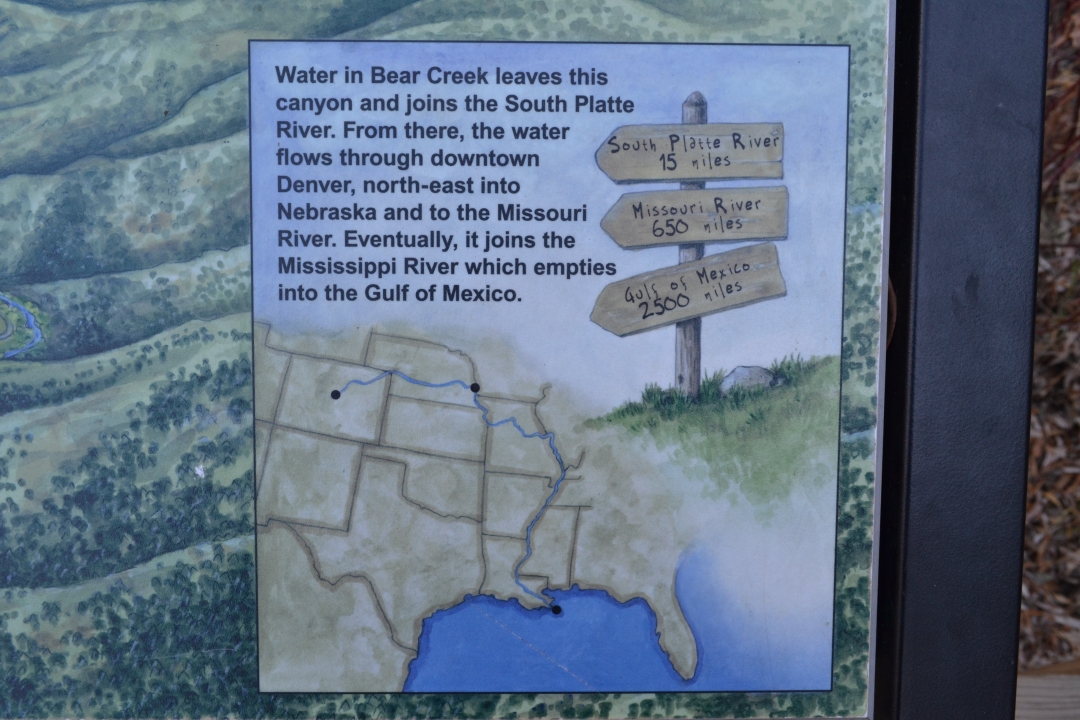
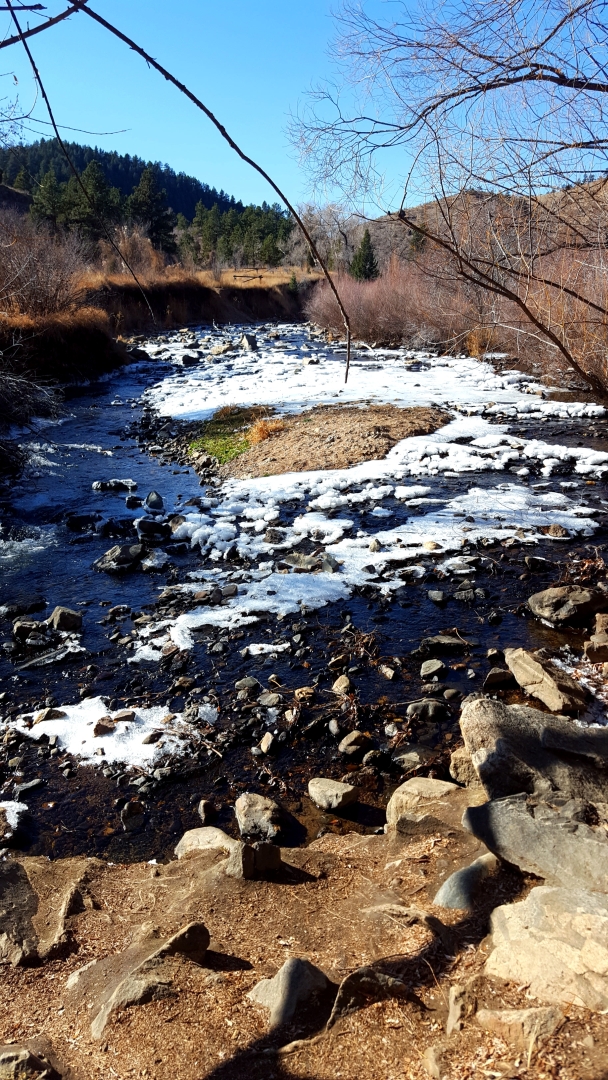
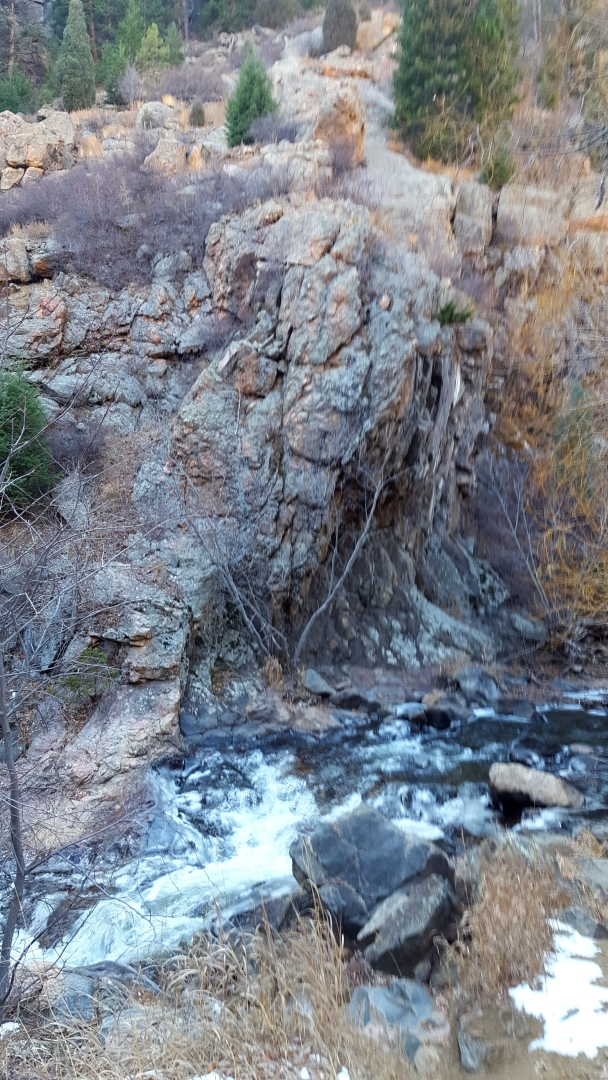
To the left you can see Will standing under the arch on our way to explore the beach. After the beach we continued on and found a little deck that was a nice resting spot for Moses and also had some interesting information on the creek. Being so close to the Continental Divide, we sometimes take it for granted, but by definition, all the water on the east side of the divide flows into the Gulf of Mexico or the Atlantic Ocean. The creek here flows for 15 miles to the South Platte River, which flows for 650 miles until it merges with the Missouri River on the Nebraska-Iowa border, and from there it flows another 2,500 miles to the Gulf of Mexico. Thinking about the journey the water was going to take that we were playing around in was quite humbling. Below are a few pictures from the end of the hike.

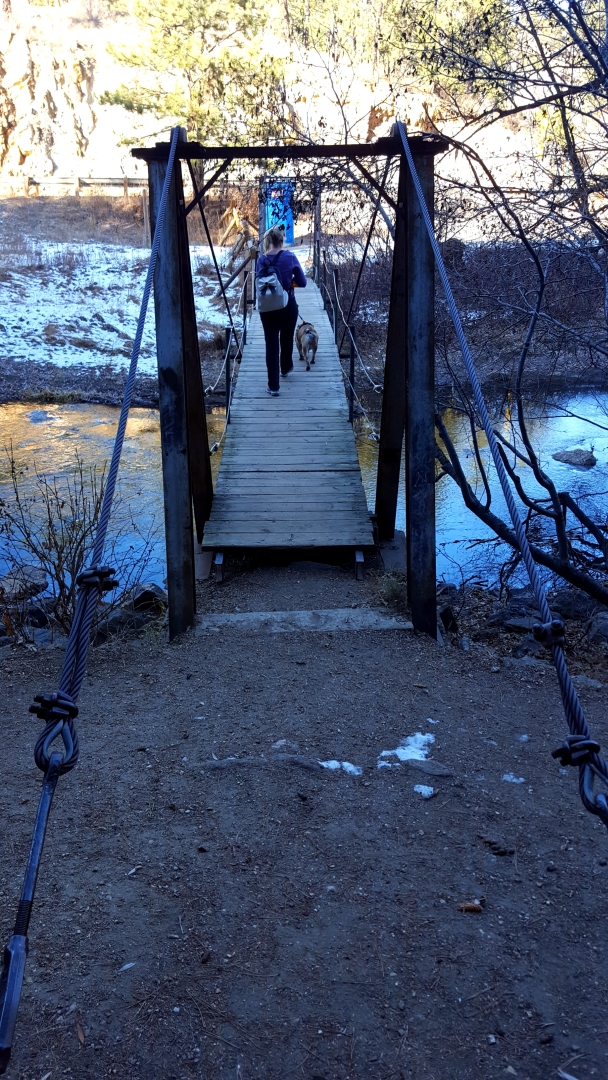
All things considered the park offers plenty of activities and diversions; from picnicking, to hiking, to mountain biking there is always something to do here. We’d recommend this for anyone wanting to get outside in a group with mixed abilities, as the trail is easy and almost anyone can do it. The options on distance are nice as well. Whether you want to take a long 12 mile hike or a short 1 mile jaunt along the creek, it’s all up to you. After your activity, we also recommend stopping in Morrison for some food and drinks. We particularly like the The Cow and they have a great happy hour. Cheers!
Bluebird Lake Rocky Mountain National Park
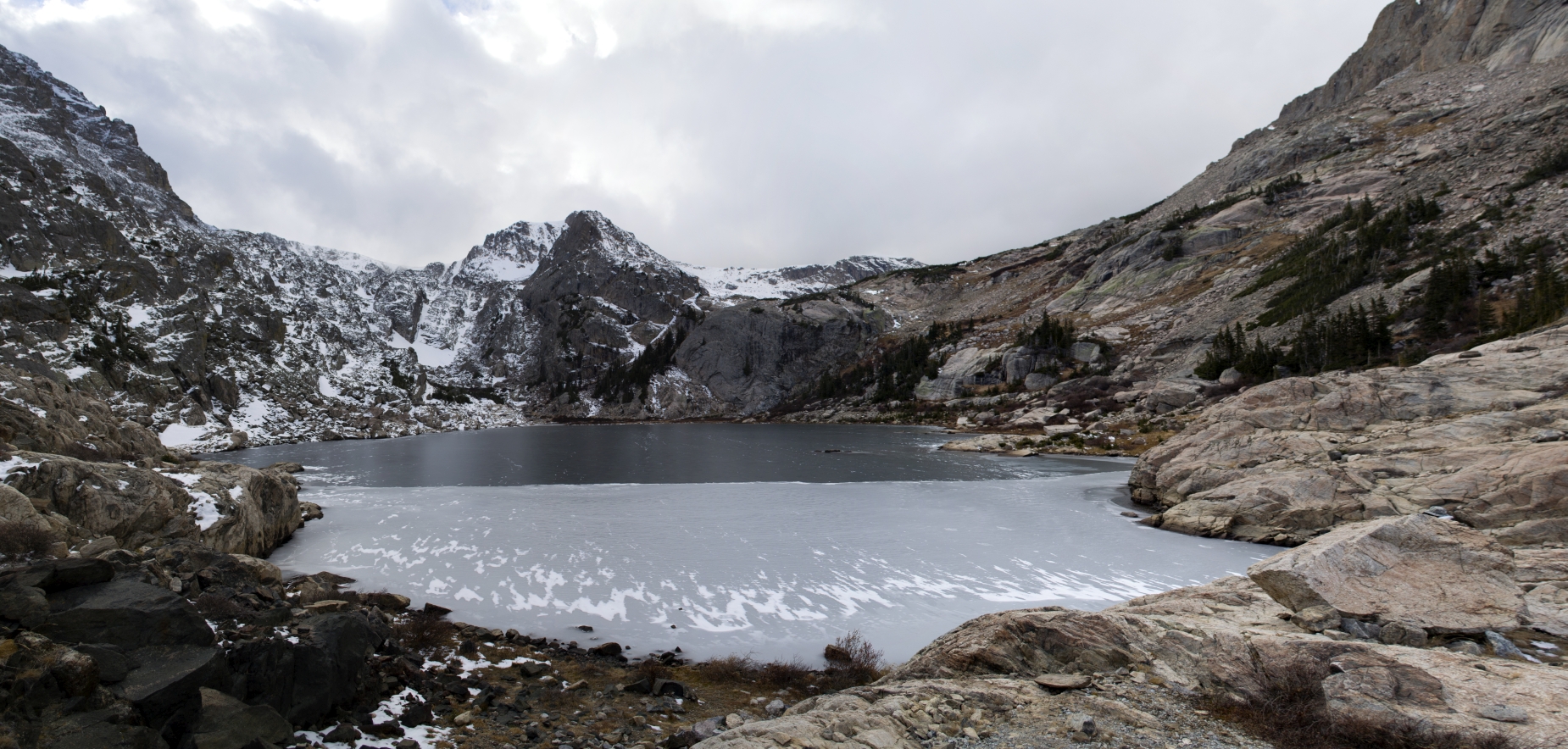
Distance: 12.44 miles (out and back) Elevation Gain: 2,974 ft. (net) Max. Elevation: 11,016 ft. Min. Elevation: 8,527 ft.
Date hiked: November 6, 2016
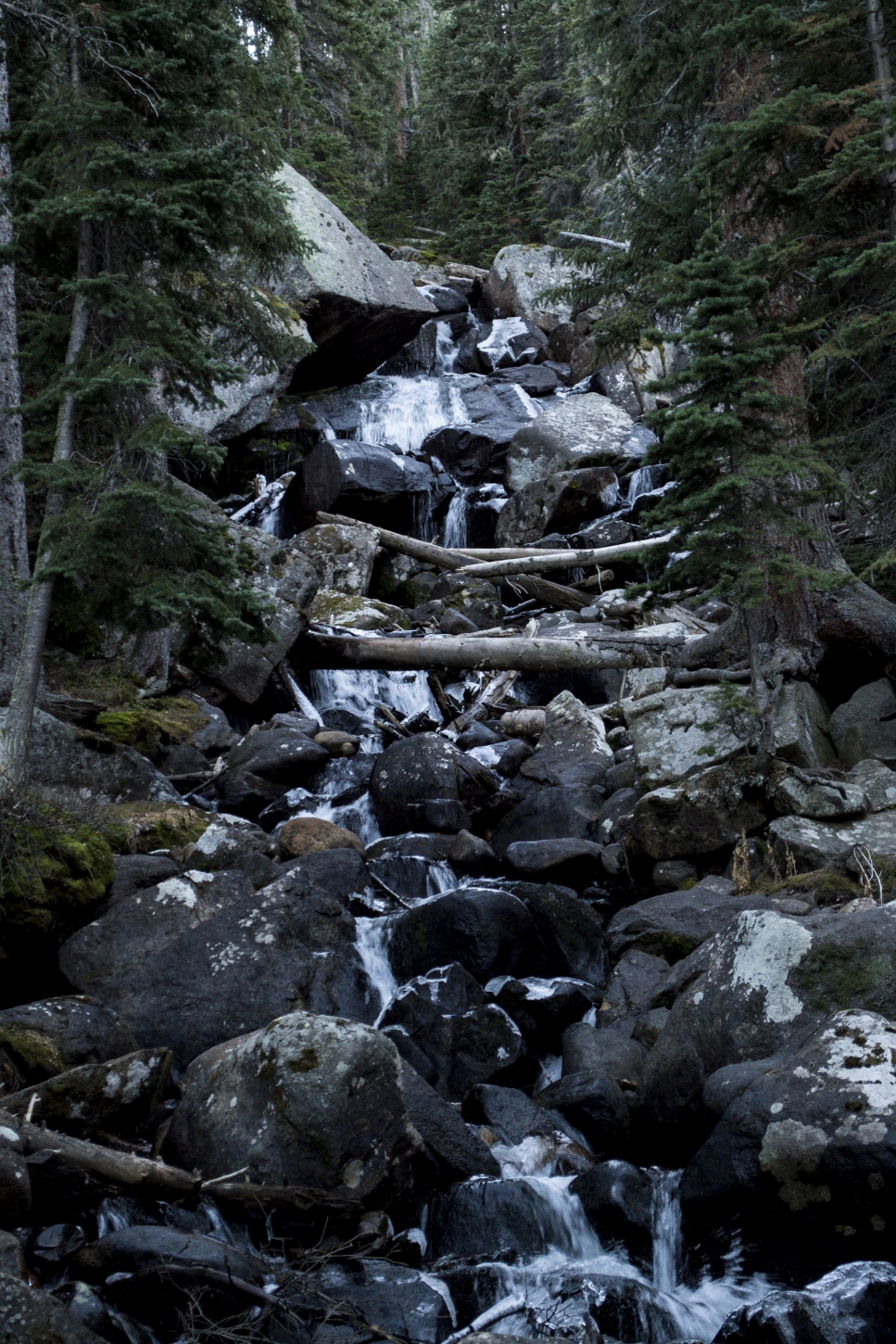
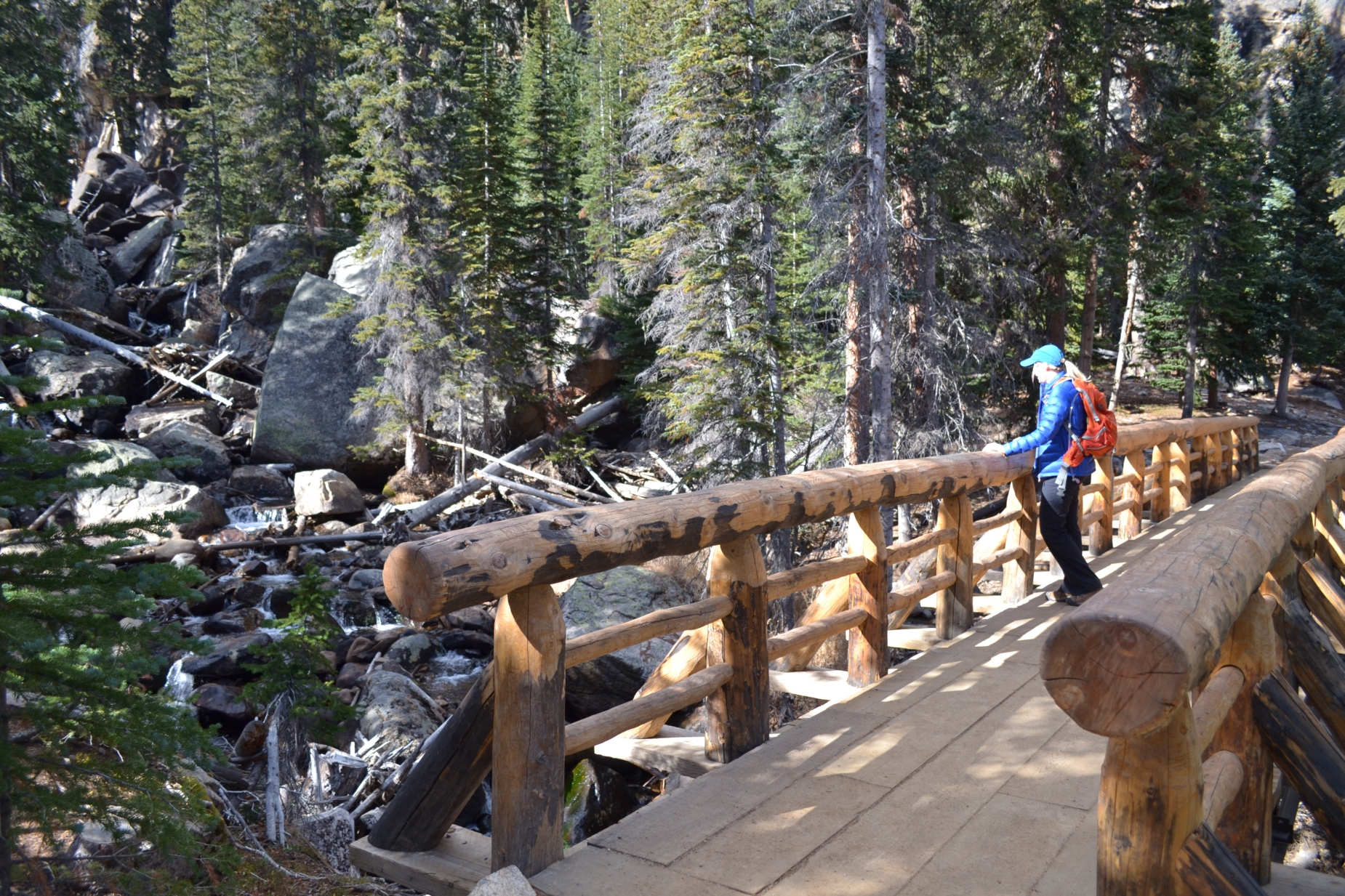
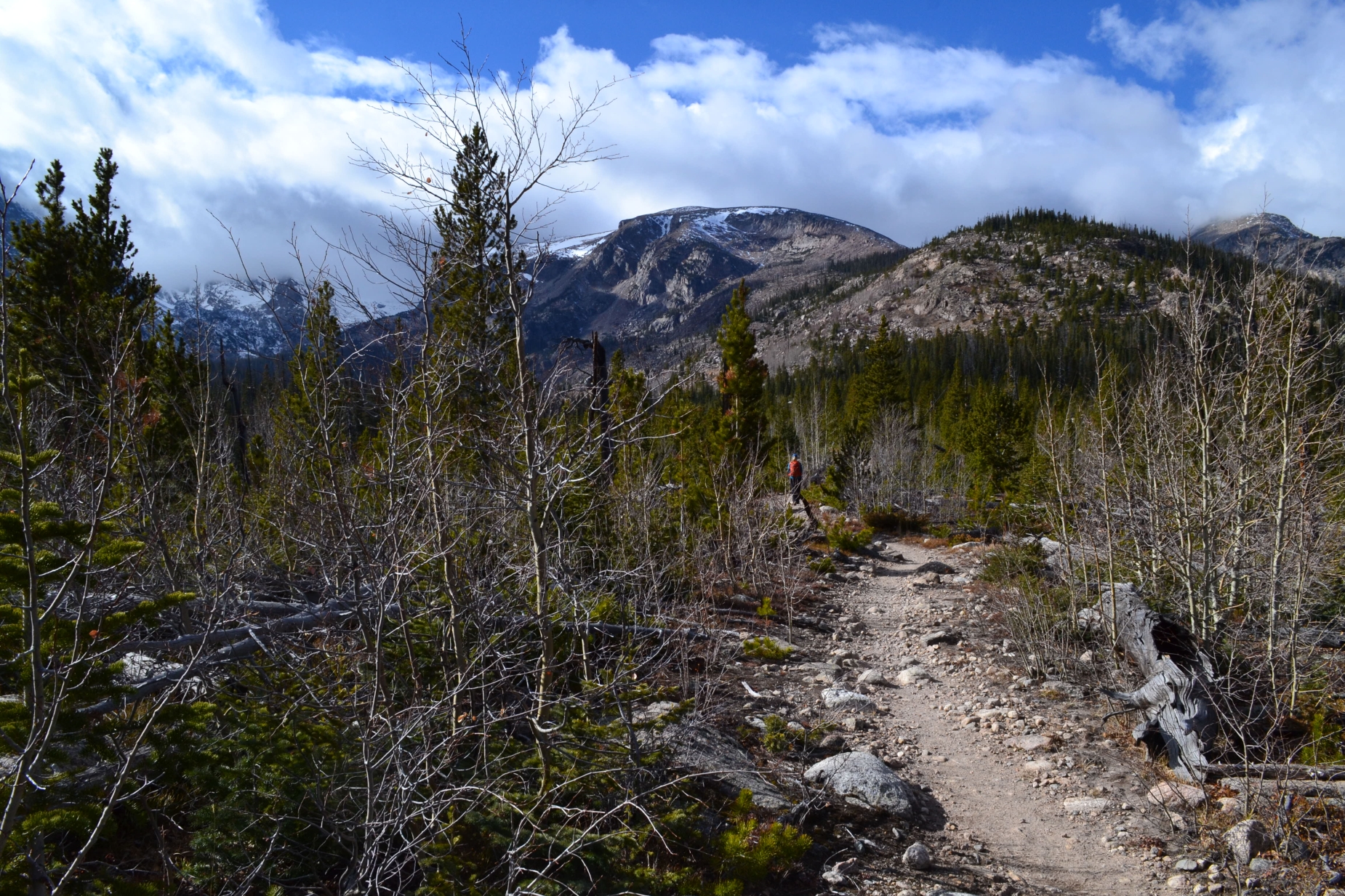
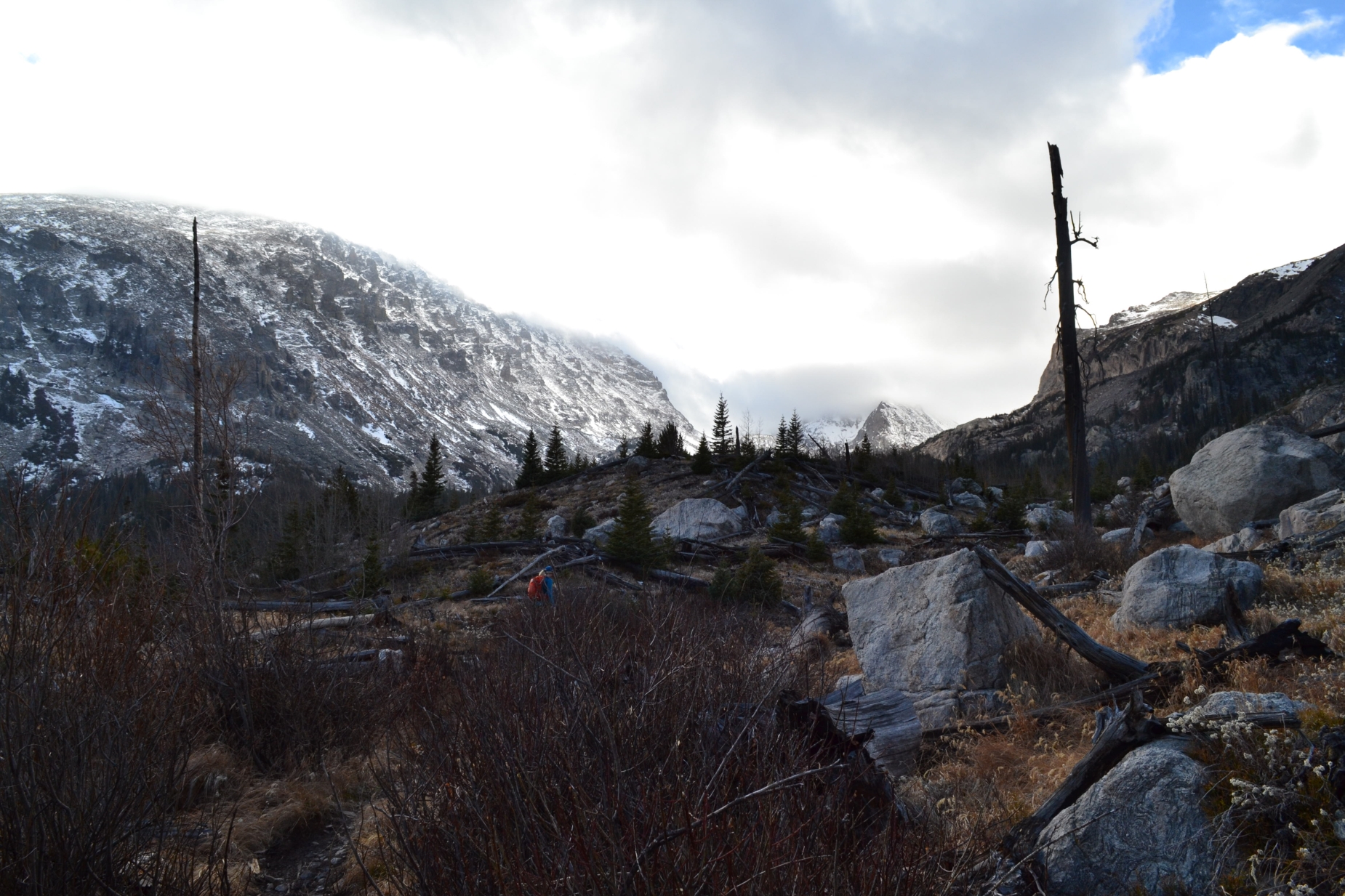
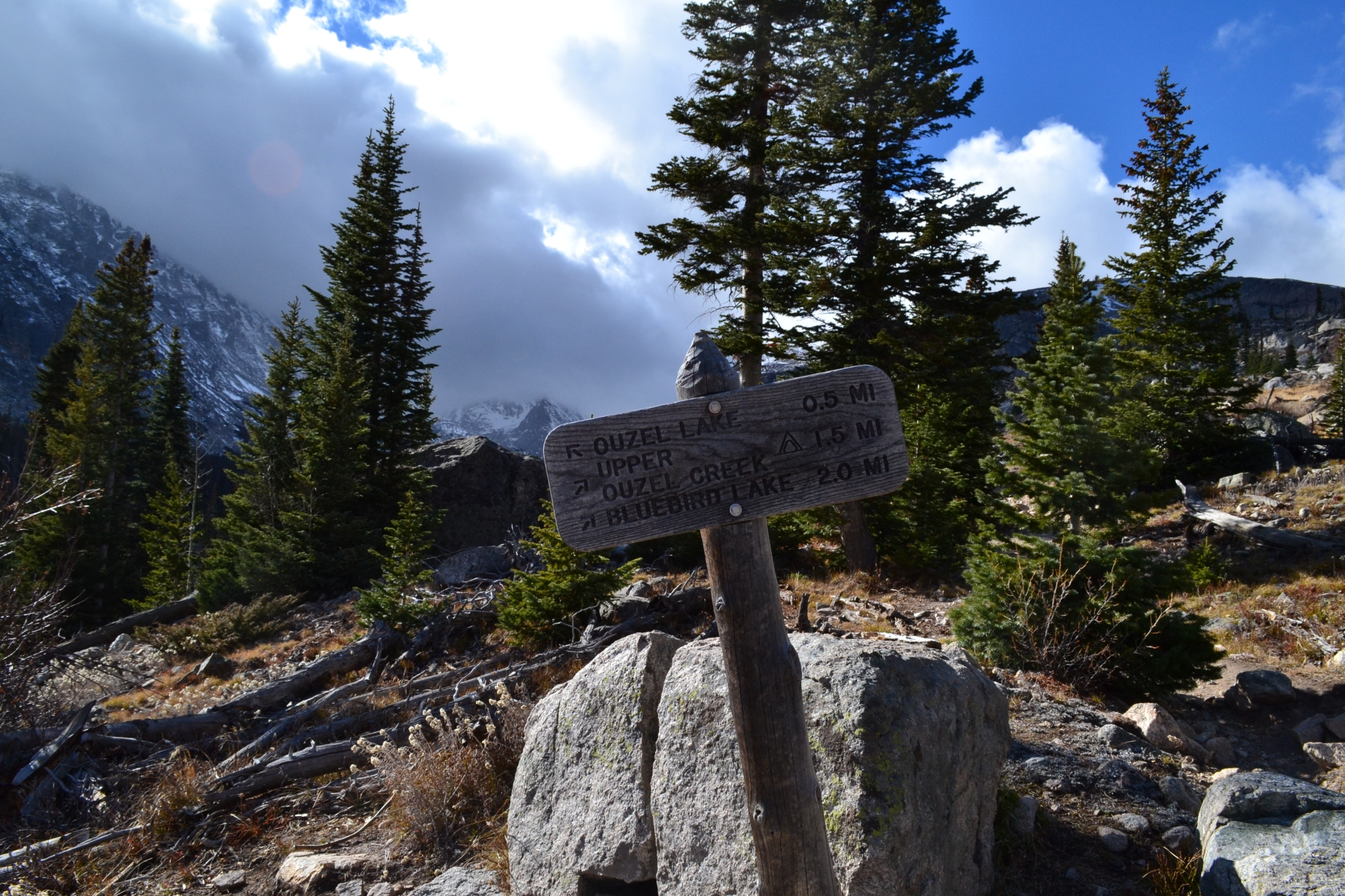
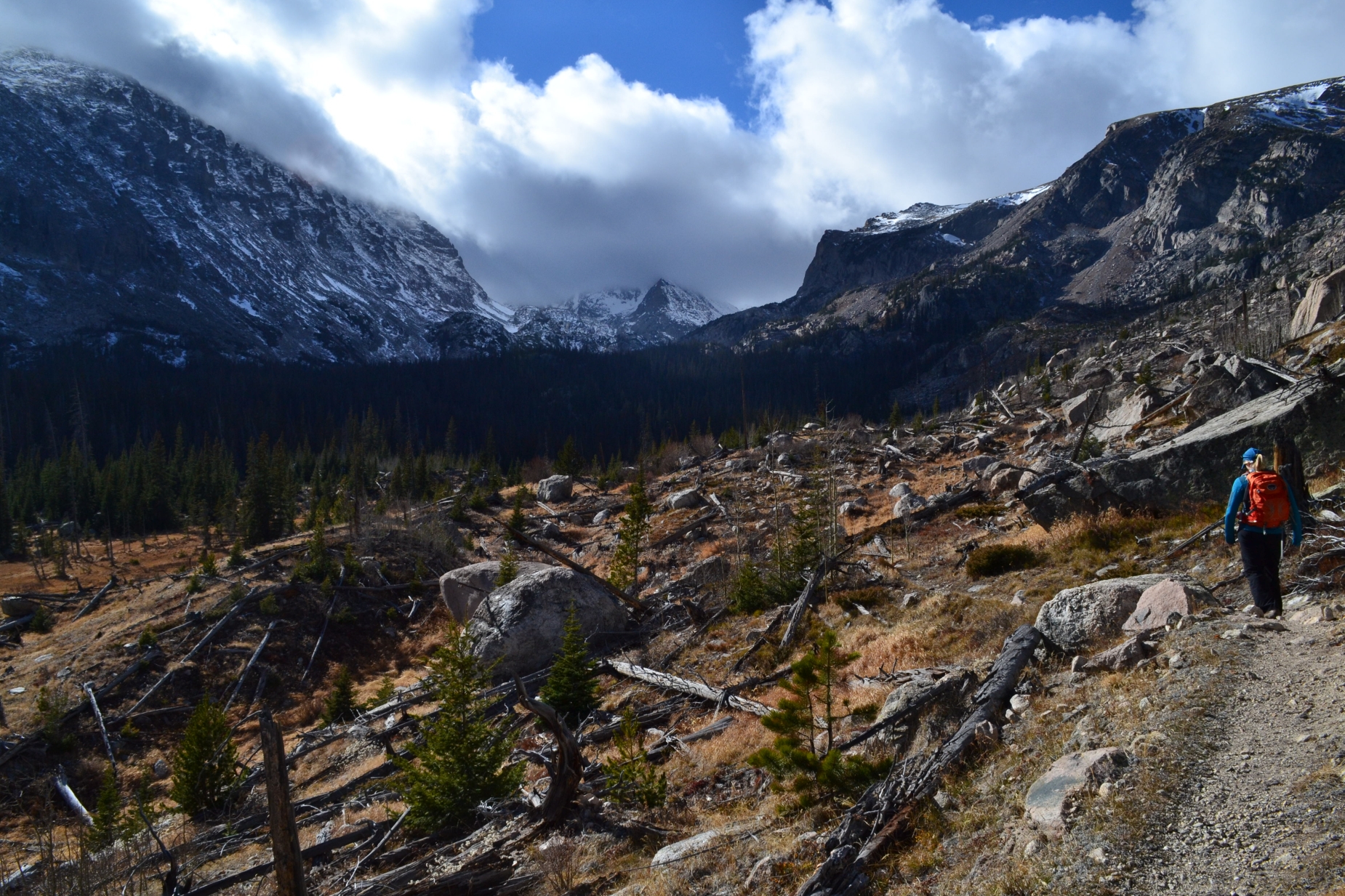
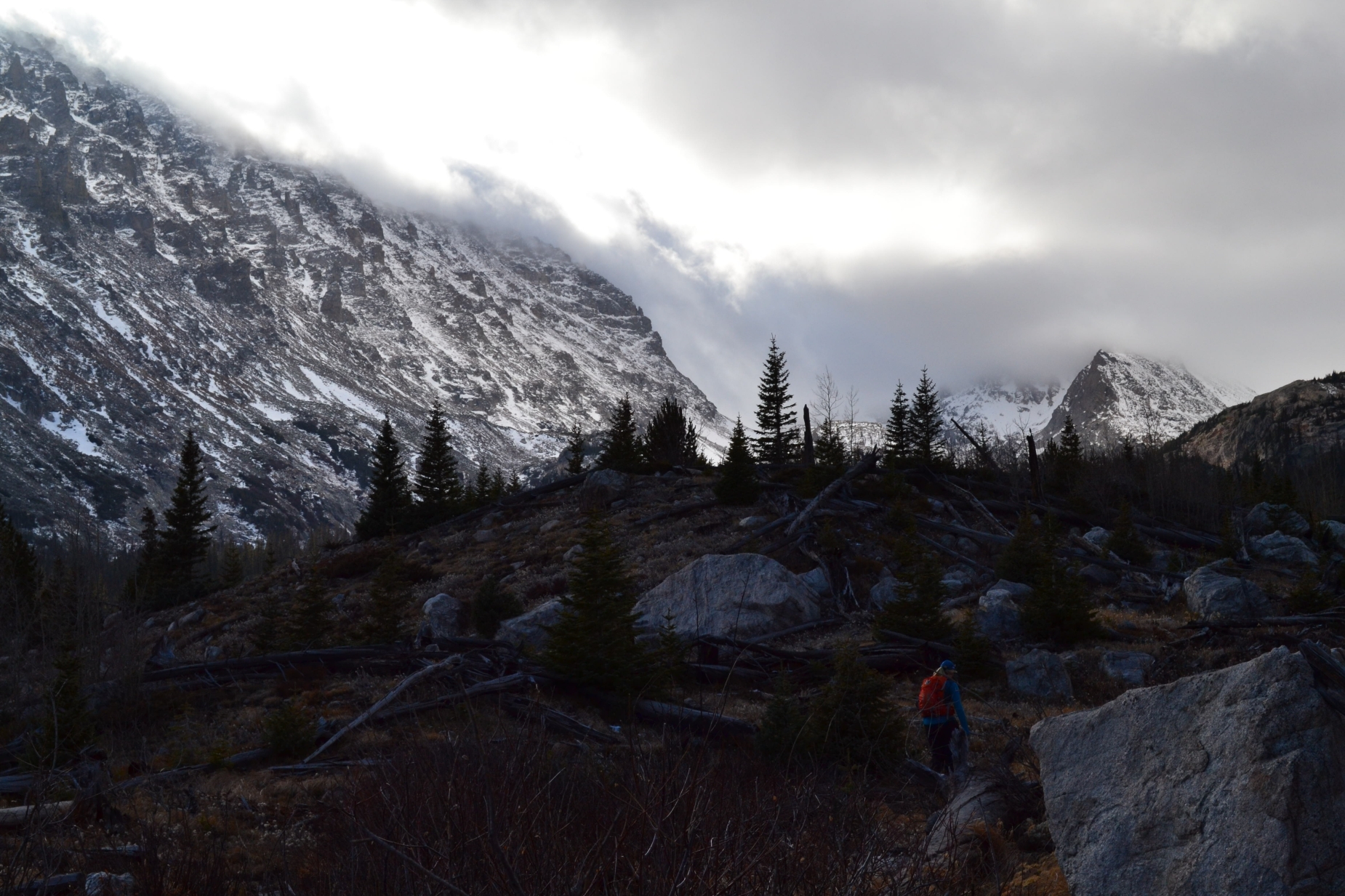
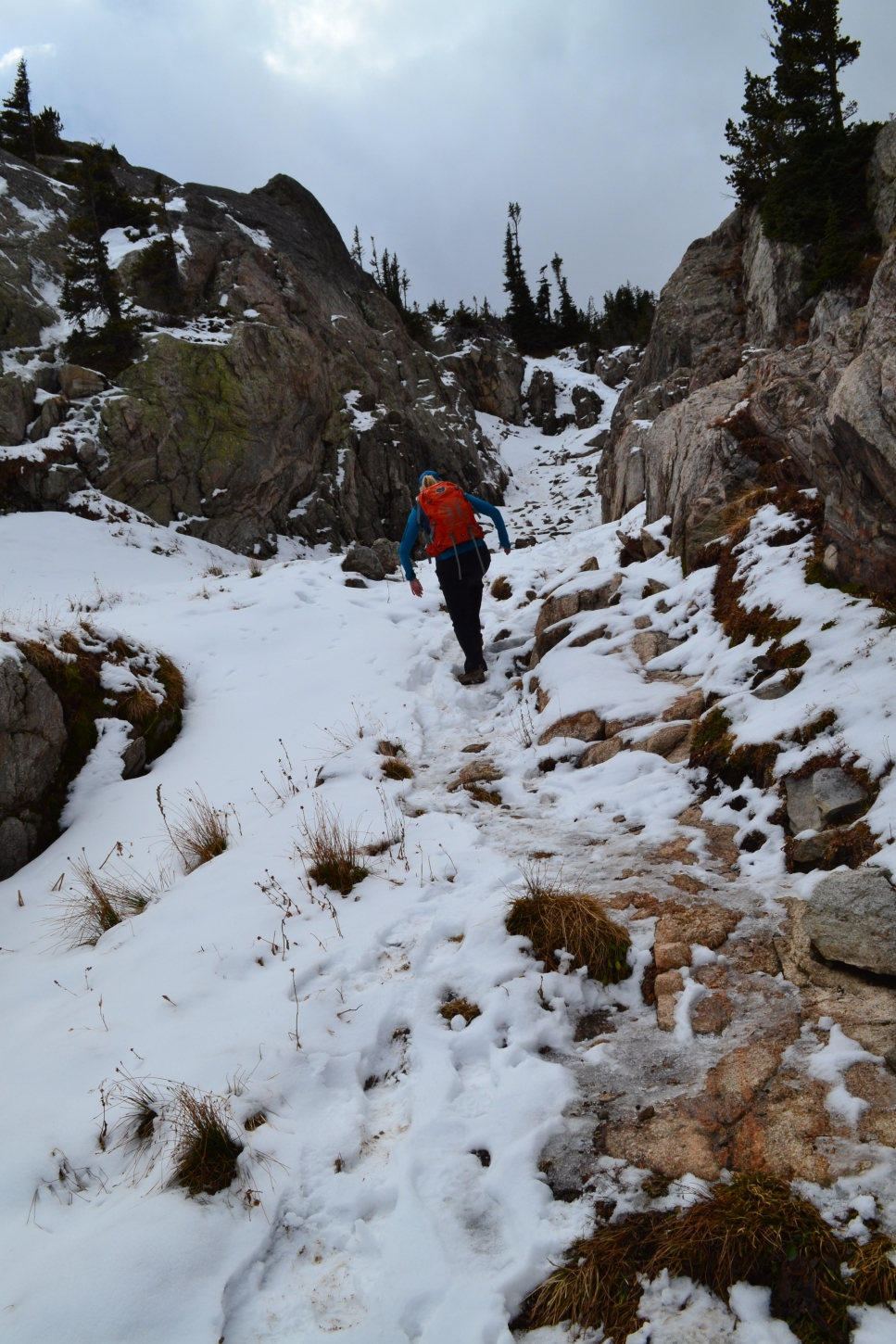
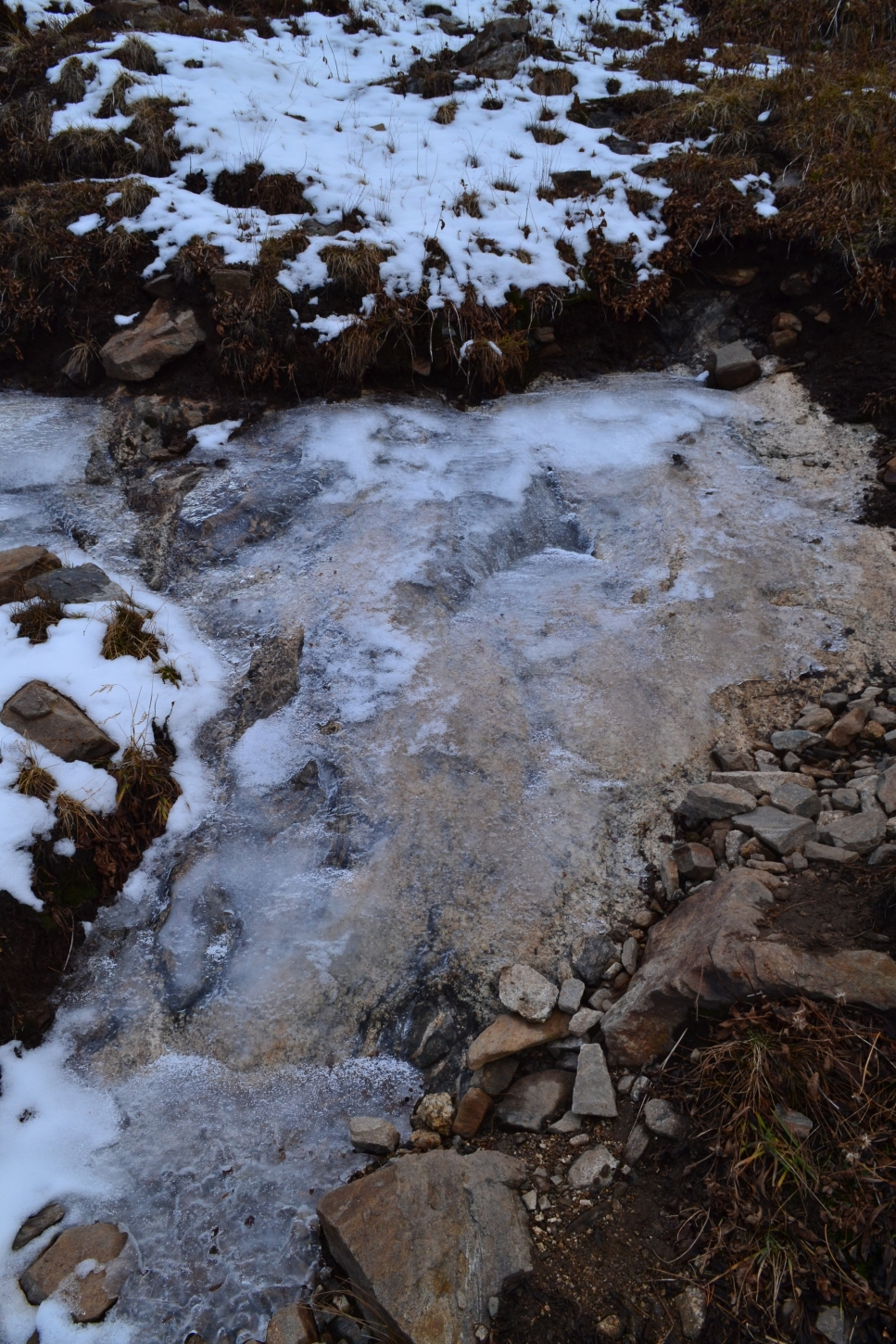
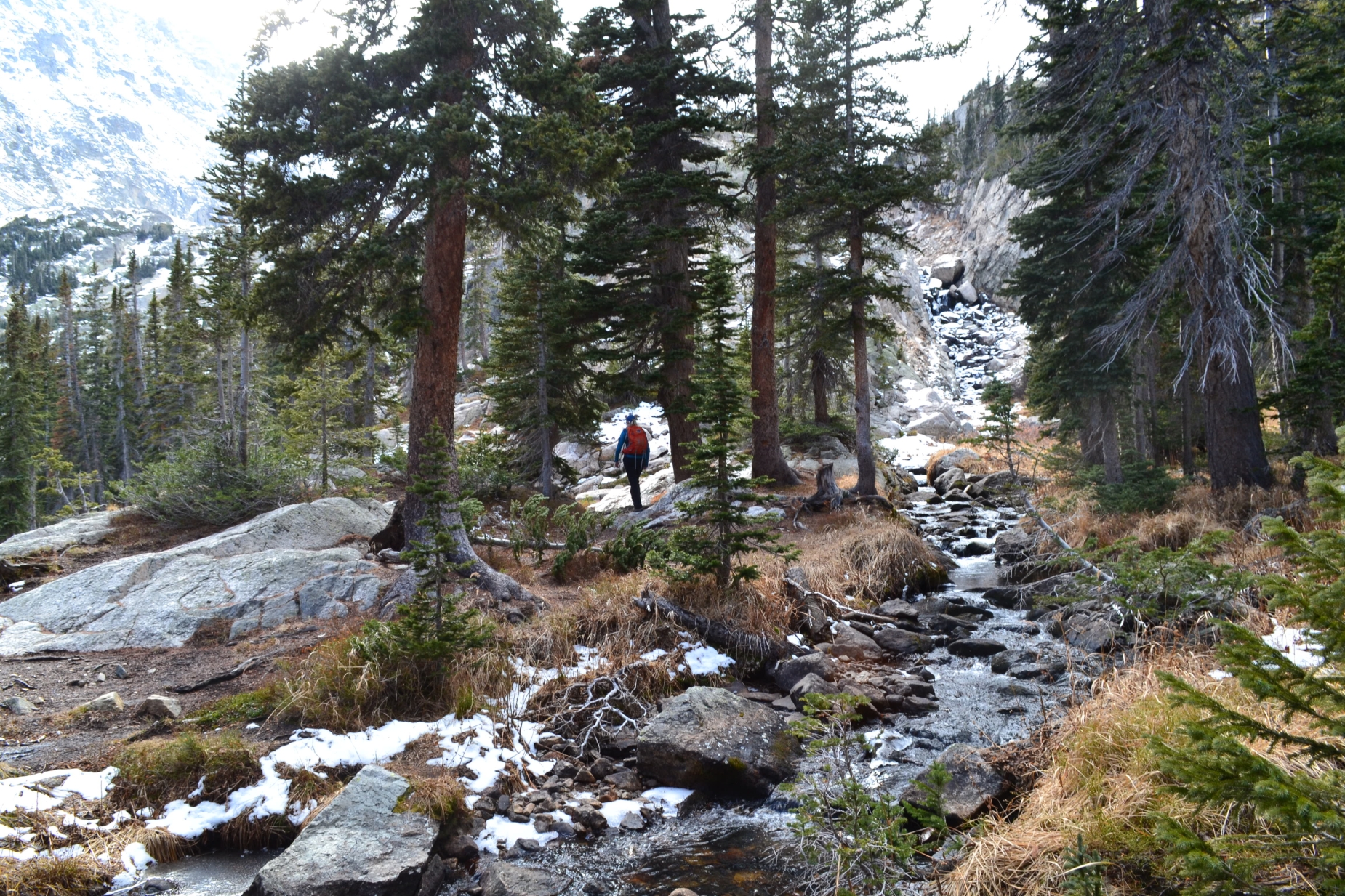
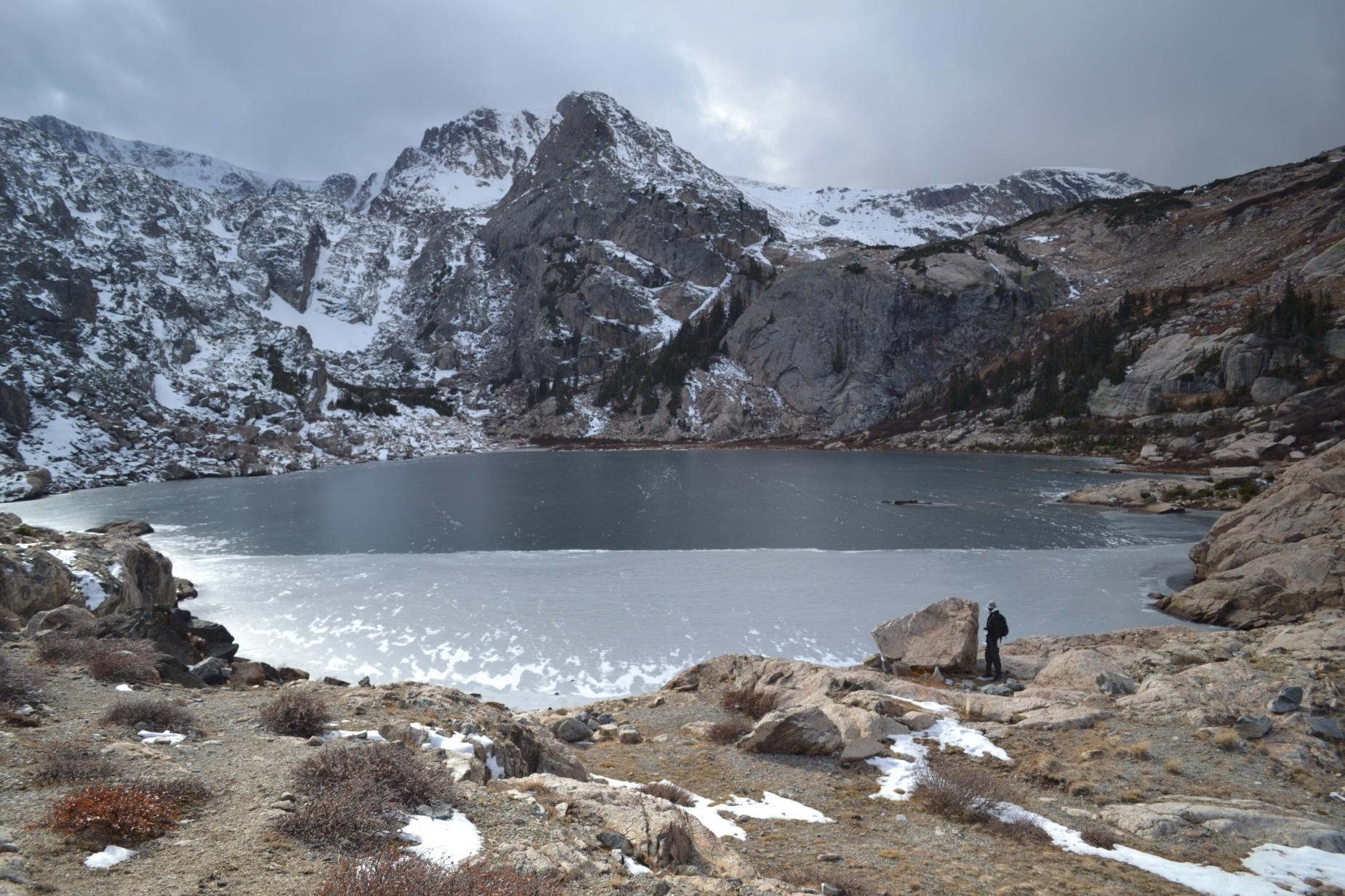
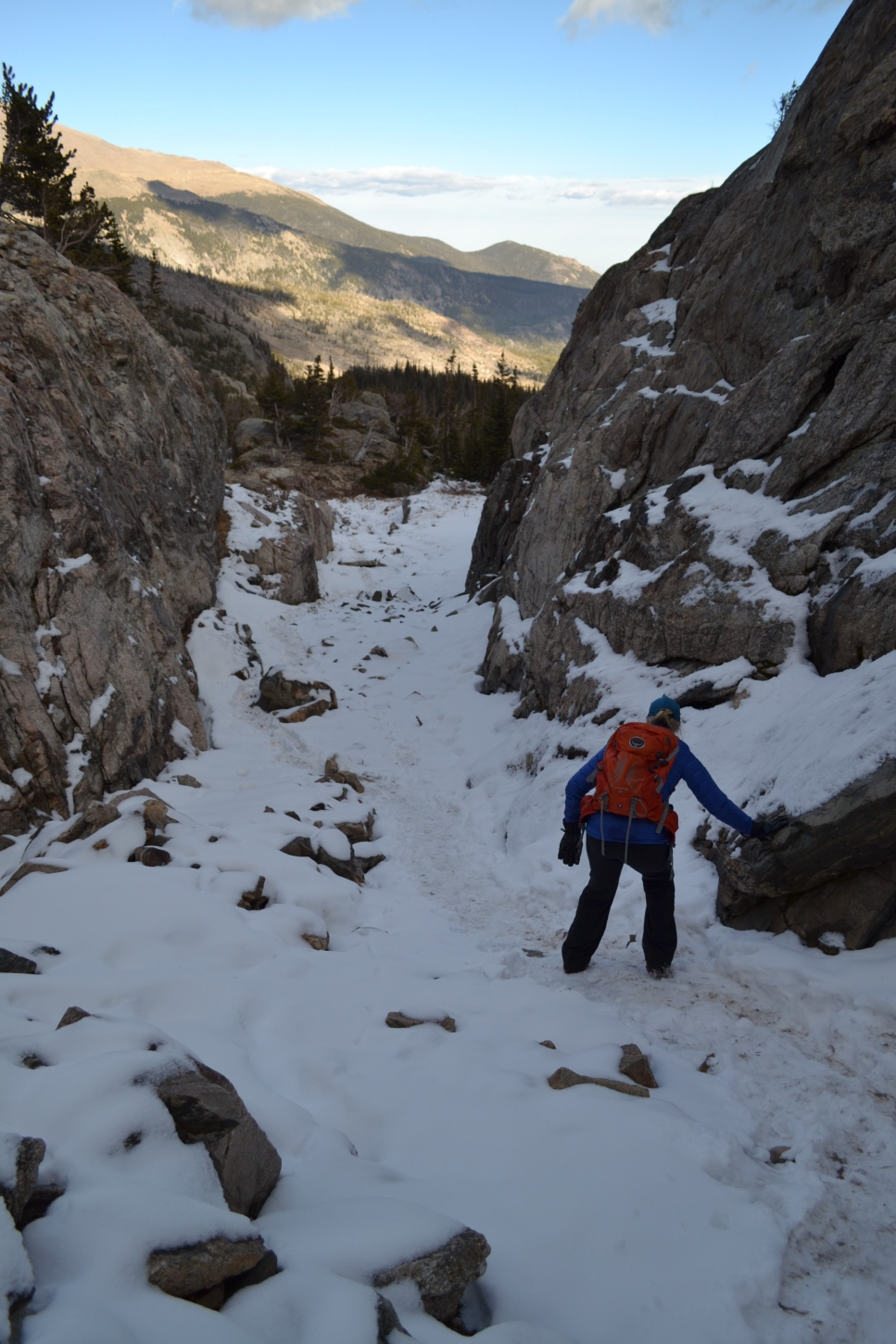
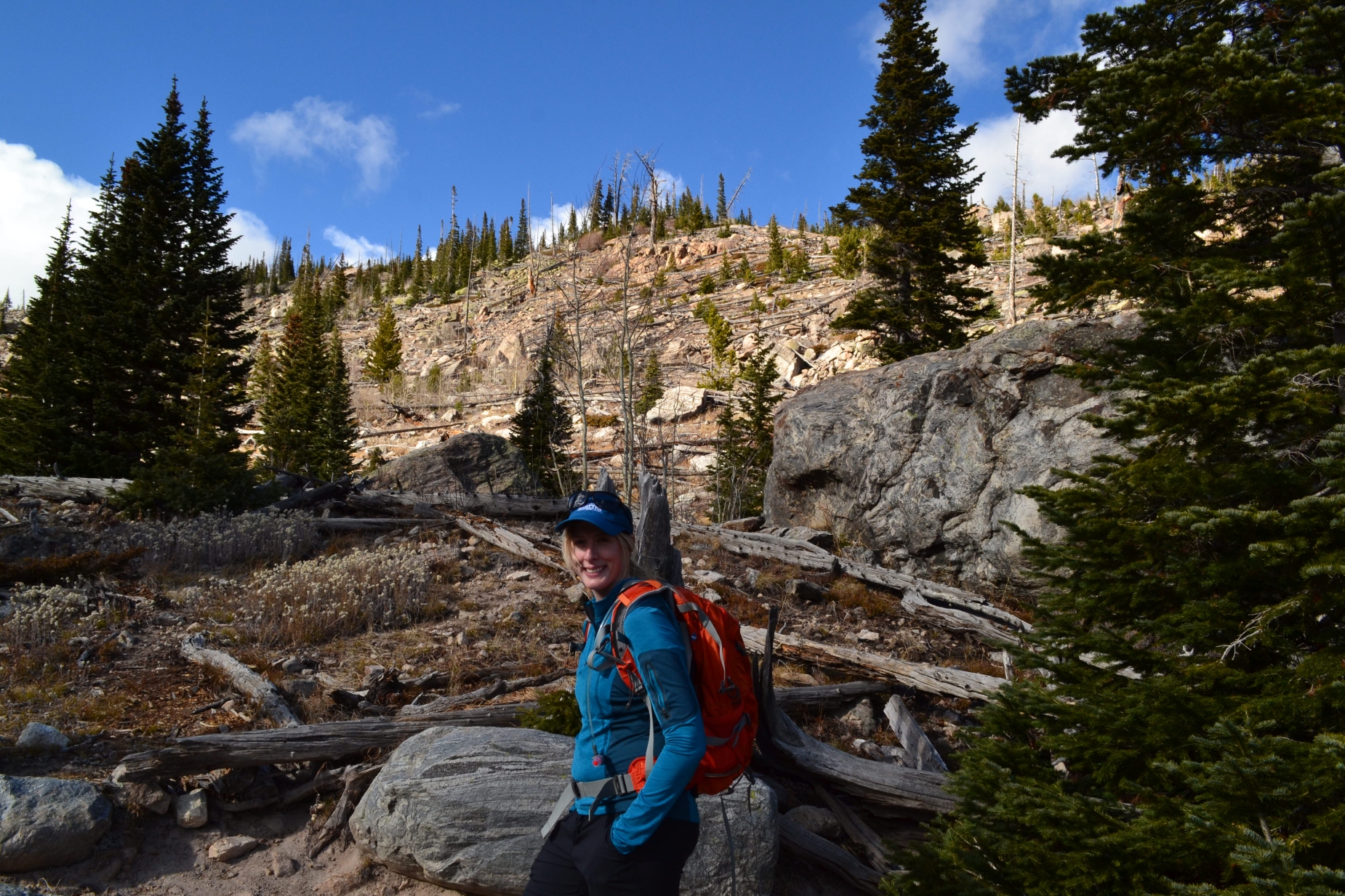
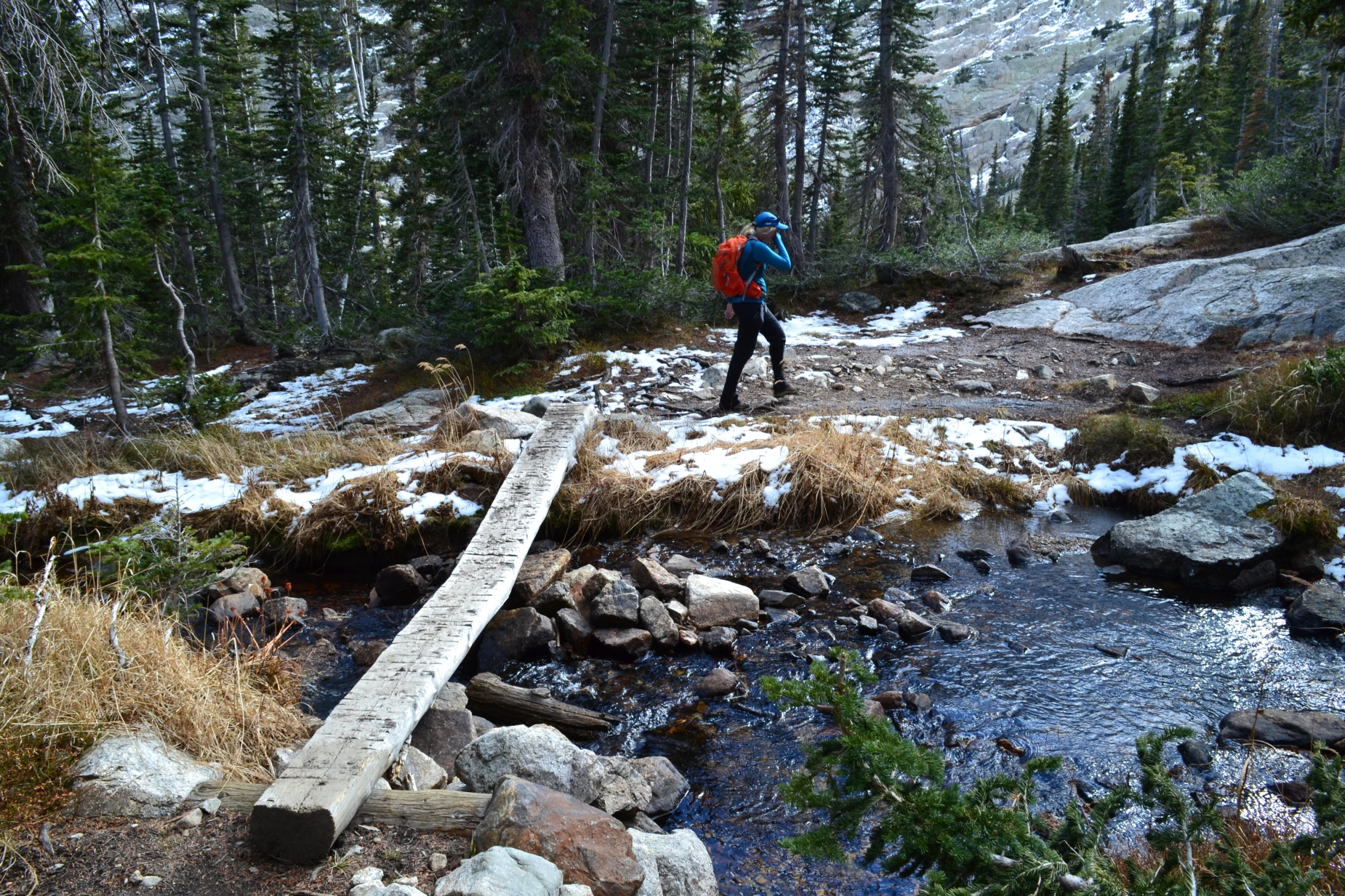
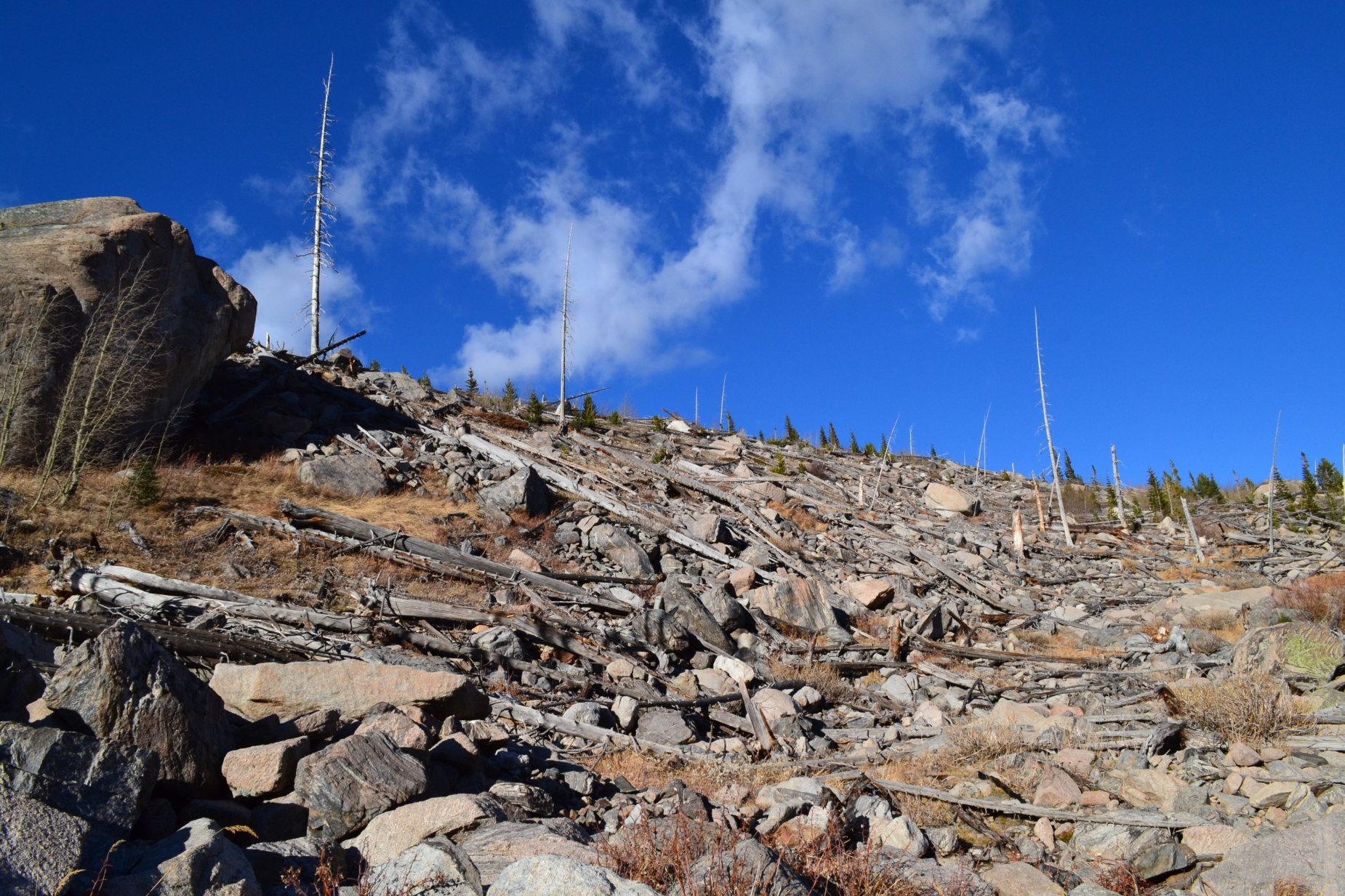
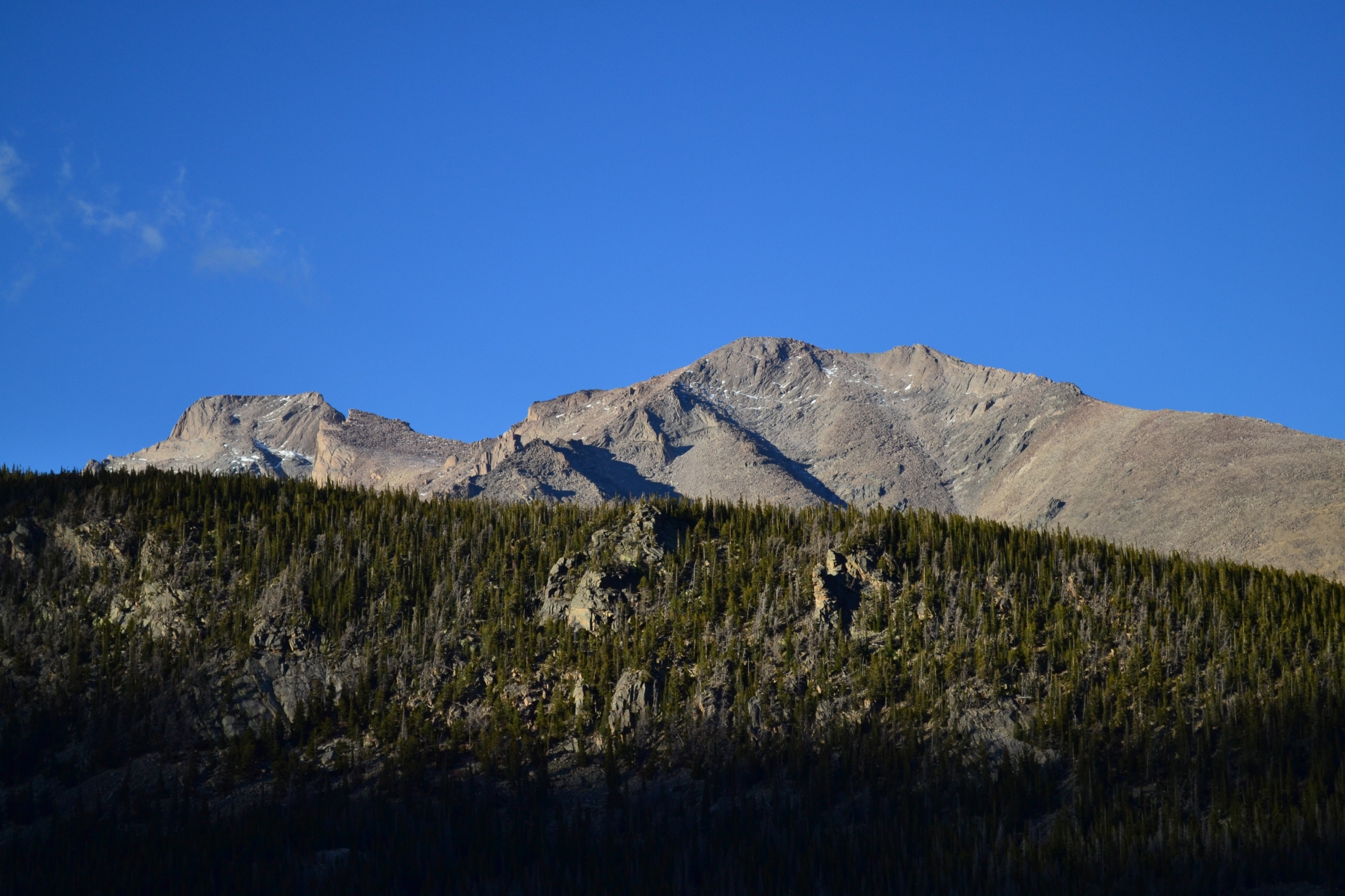
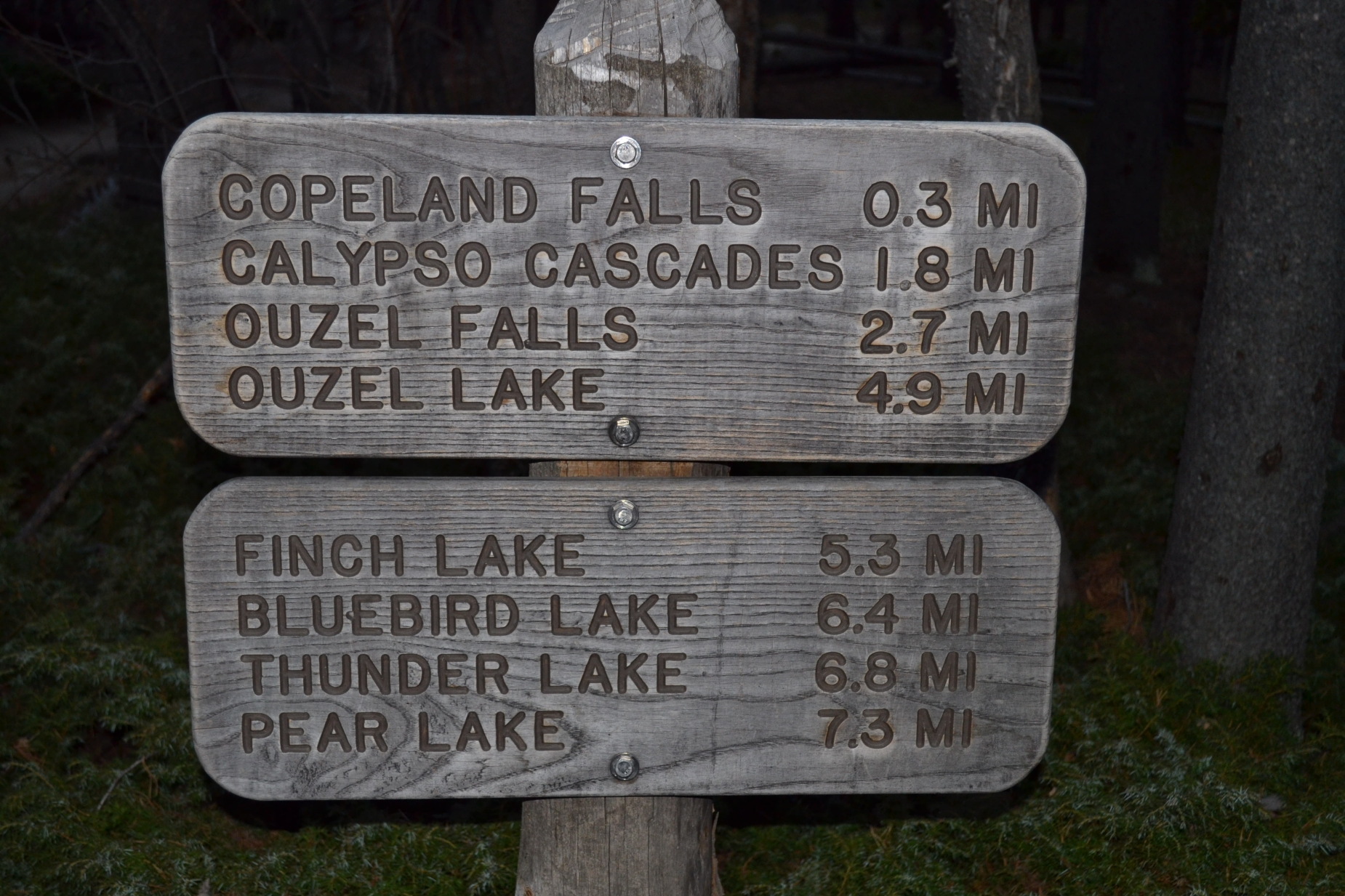
The cool evenings and brisk winds of fall brought us crunchy leaves beneath our feet and colors of brown and beige, but the snows we are so accustomed to this time of year in the high country are lacking and have left us unseasonably warm. Scant snowfall in many regions of the high country this year has extended summer/fall hiking conditions, and a trip to Rocky Mountain National Park was no exception. With no snow for our skis, we threw our hiking boots on once again and drove to Wild Basin, a gem in the vast expanse of the park. After a long, late morning drive, we arrived at the park. The entrance to the park and ranger station is approximately 20 miles from Lyons, CO on Hwy 7, and as a word of caution, there is very limited to zero cell service on this drive and throughout most of the hike. While this is a relatively nice opportunity to cleanse the soul from the distractions of politics, email, etc., it doesn’t help with worried family members waiting for a check in call. As we approached the entrance booth, there was no ranger on duty and a simple sign which read “please proceed.” We happily obliged and followed the summer narrow, dirt road all the way to the summer parking lot. On a typical summer weekend, there is absolutely no parking in this relatively small lot after 8:00 am, thus we were thrilled to have the opportunity to choose a space on this fall return trip. The hike to Bluebird lake follows the same path that leads to Copeland Falls, Calypso cascades, Ouzel Falls and Ouzel Lake that we visited on a few earlier trips. As you can imagine, there are several attractions to distract from the altitude gain along the way. Seen below are photos from the first few miles of our trip including Calypso Cascades, as well as information on ease and distance to each point of interest.
Calypso Cascade: 3.6 miles Round Trip (Easy)
Ouzel Falls: 5.2 miles Round Trip (Easy)
Ouzel Lake: 9.8 miles Round Trip (Intermediate due to distance)
Bluebird lake: 12.8 miles Round Trip (Intermediate due to distance)